
How One Historic Episode Redefined Sci-Fi Television

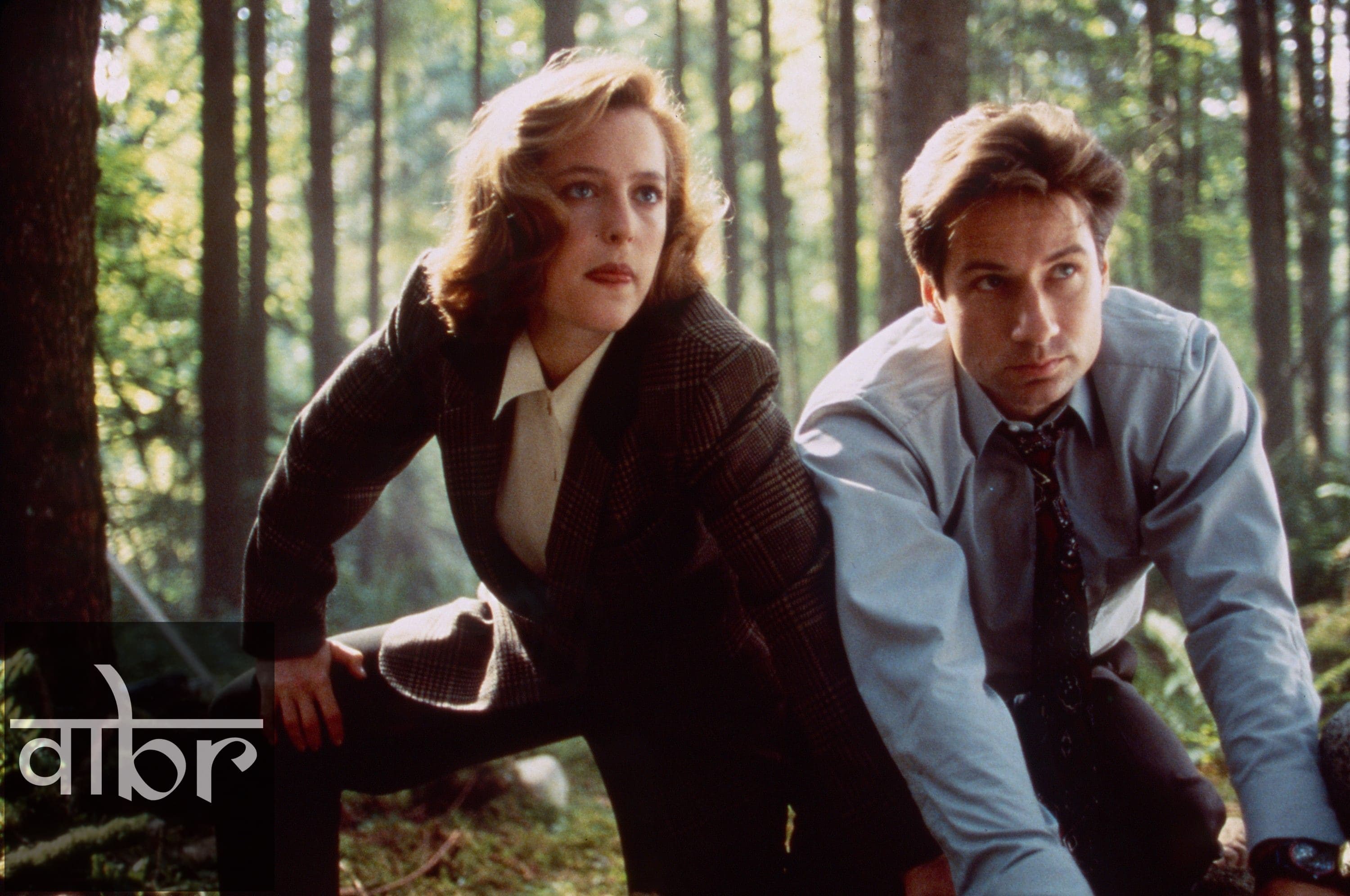
Television history is filled with milestones that completely alter the trajectory of creative storytelling across various entertainment mediums. Thirty three years ago, a legendary science fiction series redefined the entire genre with just one remarkable episode that changed everything. The third episode of The X Files, titled Squeeze, brought an entirely new formula to the small screen that viewers had never witnessed before. This groundbreaking television broadcast introduced audiences to a terrifying format that would soon dominate mystery programming for decades to come. When looking back at classic television milestones, few moments match the cultural and creative impact of this specific installment.
The Birth of a Legendary Television Format
Before this historic broadcast aired on television networks, serial storytelling and anthology structures ruled the landscape of science fiction entertainment. Fans of speculative fiction rarely experienced self-contained horrifying mysteries that resolved entirely within a single hour of viewing time. The third episode of The X Files, Squeeze, changed this standard completely by introducing the very first monster of the week story in the series. This creative choice served as a crucial benchmark for all future standalone episodes across the entire television landscape. Creators realized they could scare audiences deeply while advancing overarching character narratives simultaneously.
The brilliant structure of this standalone narrative allowed writers to explore bizarre paranormal concepts without bogging down viewers in heavy mythology. Every single week, audiences could tune in to experience a brand new terror that tested the limits of human imagination and courage. By breaking away from complex serialized plots, the production team unlocked a versatile storytelling mechanism that resonated with millions of loyal fans globally. The sheer brilliance of Squeeze established a high standard that subsequent horror and science fiction projects strove to replicate for generations. Television executives quickly recognized that standalone thrillers held immense commercial and creative potential for weekly broadcast schedules.
Crafting Unforgettable Sci Fi Terror
Building suspense requires meticulous attention to detail, pacing, atmosphere, and compelling character dynamics between the central investigative duo. The third episode of The X Files, Squeeze, achieved this masterclass in tension through brilliant direction, haunting cinematography, and memorable creature design. Fans everywhere immediately connected with the chilling atmosphere and the gripping nature of the standalone investigation unfolding on screen. This specific installment proved that television could deliver cinematic scares on a weekly episodic budget without sacrificing narrative depth or quality. The legacy of Squeeze endures because it respected the intelligence of viewers while delivering pure, unadulterated thrills.
The antagonist introduced in this seminal broadcast remains one of the most iconic figures in the history of television monsters. His unique abilities forced the main characters to think outside conventional investigative boundaries and confront horrifying realities that defied scientific explanation. By anchoring supernatural elements in grounded procedural investigations, the creators struck a perfect balance that appealed to mainstream audiences and genre enthusiasts alike. The success of Squeeze demonstrated that audiences craved intelligent, moody, and atmospheric storytelling that challenged their perceptions of reality. This balance became the blueprint for countless mystery shows that followed in its massive footsteps.
A Benchmark for Future Storytelling
As television evolved over the subsequent decades, the structural blueprint established by early genre pioneers continued to influence modern showrunners and writers. The third episode of The X Files, Squeeze, remains a gold standard for episodic television writing and atmospheric pacing. Future generations of creators studied the pacing, character interplay, and monster design of Squeeze to understand how to craft compelling standalone hours. When networks sought inspiration for their own supernatural dramas, they invariably looked back at the foundational brilliance of Squeeze. The impact of this single broadcast extends far beyond its initial airdate, shaping the DNA of modern genre television.
The third episode of The X Files, Squeeze, proved that standalone storytelling could carry the emotional and narrative weight of a massive serialized epic while delivering concentrated horror.
Evaluating the long-term impact of this historical television milestone reveals why critics and fans continue to celebrate its enduring brilliance today. The third episode of The X Files, Squeeze, fundamentally shifted audience expectations regarding what a weekly procedural drama could achieve creatively. Instead of relying solely on repetitive tropes, the creative team infused every single scene with palpable dread and intellectual curiosity. This commitment to quality elevated the entire medium of science fiction television, proving that genre programming deserved serious critical acclaim. The influence of Squeeze can still be felt in nearly every modern mystery series currently airing on streaming platforms.
Key Takeaways
- The third episode of The X Files, Squeeze, introduced the iconic monster of the week format to the legendary science fiction series.
- This historic installment served as an essential benchmark for all future standalone episodes in modern television history.
- The brilliant blend of procedural investigation and supernatural horror redefined audience expectations for weekly television.
- Creators demonstrated that self-contained scary stories could successfully coexist with complex overarching mythological narratives.
Analysis of Lasting Cultural Impact
Reflecting upon the rich history of televised science fiction, certain creative turning points stand out as absolute game-changers for the entire industry. The third episode of The X Files, Squeeze, represents one of those rare cultural moments where everything aligned perfectly to create television magic. From the atmospheric lighting to the unforgettable antagonist, every element of Squeeze worked in harmonious unison to terrify and delight viewers. Fans who watched the broadcast live thirty three years ago witnessed the birth of a storytelling revolution that changed their viewing habits forever. The third episode of The X Files, Squeeze, cemented its status as a timeless classic that continues to inspire aspiring writers and filmmakers.
Looking toward the future of episodic entertainment, the foundational lessons taught by this legendary broadcast remain profoundly relevant to contemporary creators. Modern streaming platforms and cable networks frequently utilize the monster of the week structure to keep audiences engaged between massive serialized story arcs. By honoring the narrative traditions established by Squeeze, today's showrunners continue to deliver thrilling standalone adventures that captivate global audiences. Whether viewed through the lens of nostalgia or critical analysis, the third episode of The X Files, Squeeze, stands tall as an unmatched achievement in television history. As long as audiences crave intelligent suspense and supernatural thrills, the monumental legacy of Squeeze will endure.
📌 Related Briefings & Stories
Arjav
• Newsroom StaffDedicated to objective, deep, and fact-verified reporting across technology, science, world affairs, and modern markets.
Follow Varta Brief on Google
Add Varta Brief as a preferred source to see our verified stories and daily briefings in Google Top Stories and Discover.
Found this briefing insightful?
Share it with your colleagues and community.