
iPhone 18 Pro Max vs iPhone 15 Pro Max: Three-Year Upgrade

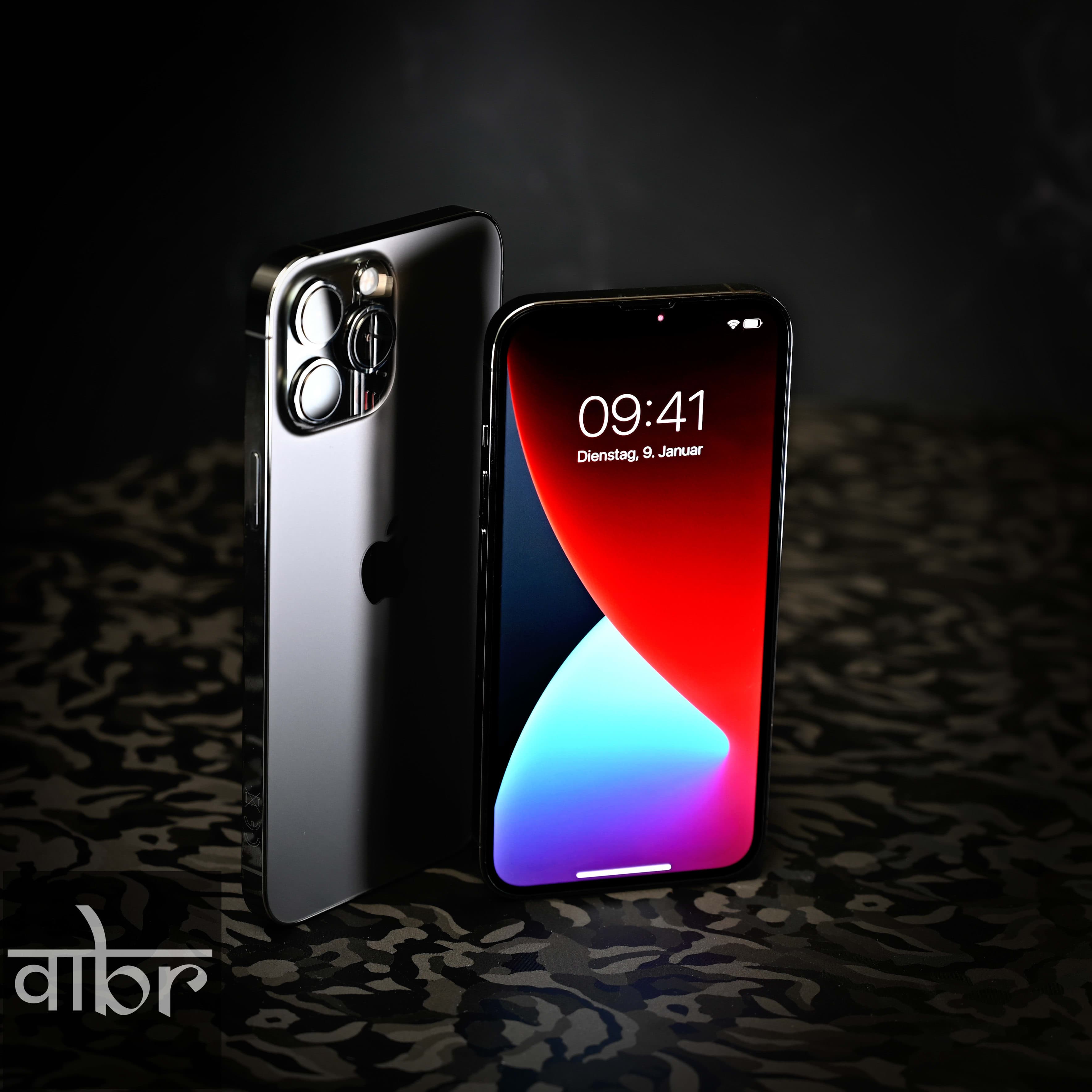
In the fast-moving consumer technology space, three years represents a lifetime of hardware iterations. For users who bought the iPhone 15 Pro Max in late 2023, the arrival of the iPhone 18 Pro Max in 2026 presents a critical decision point. This comprehensive guide breaks down the physical, internal, and photographic changes to help you decide if it is time to upgrade.
Apple designed the iPhone 18 Pro Max to push the boundaries of mobile processing, photography, and battery life. However, the iPhone 15 Pro Max remains a highly capable flagship that still holds its own in daily tasks. To understand how these changes fit into Apple's broader ecosystem, you can read about how Apple Releases Major 2026 Software Updates Across Platforms to optimize these hardware leaps.
Key Takeaways
- Massive Performance Leap: The 2nm A20 Pro chip delivers up to 58% faster single-core CPU performance and a 168% boost in GPU benchmarks over the A17 Pro.
- Variable Aperture Camera: The new 48MP Fusion Main camera introduces a mechanical variable aperture (f/1.48 to f/4.0) for professional-grade depth-of-field control.
- Unprecedented Battery Life: Local video playback jumps from 29 hours on the iPhone 15 Pro Max to an astonishing 45 hours on the iPhone 18 Pro Max.
- Larger Display and Footprint: The screen grows from 6.7 inches to 6.9 inches, resulting in a heavier, thicker, and taller device.
- Faster Charging: Support for 60W wired charging refills 50% of the battery in just 15 minutes.
Technical Specifications Comparison
Feature | iPhone 18 Pro Max | iPhone 15 Pro Max |
|---|---|---|
Starting Price (Launch) | $1,299 | $1,199 |
Dimensions | 6.43 x 3.07 x 0.34 inches (8.75mm) | 6.29 x 3.02 x 0.32 inches (8.25mm) |
Weight | 8.78 ounces | 7.81 ounces |
Processor | A20 Pro (2-nanometer) | A17 Pro (3-nanometer) |
Display | 6.9-inch Super Retina XDR (3,000 nits max) | 6.7-inch Super Retina XDR (2,000 nits max) |
Rear Cameras | 48MP Main (Variable f/1.48-f/4.0), 48MP Ultra Wide, 48MP Telephoto (8x optical quality) | 48MP Main (f/1.78), 12MP Ultra Wide, 12MP Telephoto (5x optical) |
Front Camera | 18MP Center Stage | 12MP TrueDepth |
Battery (Video Playback) | Up to 45 hours | Up to 29 hours |
Connectivity | Wi-Fi 7, Bluetooth 6, Apple N1 Chip, C2 5G Modem | Wi-Fi 6E, Bluetooth 5.3, Qualcomm Modem |
Design and Display: Bigger, Brighter, and Heavier
Apple altered its design philosophy significantly over the last three generations. While the iPhone 15 Pro Max introduced a lightweight titanium frame, the iPhone 18 Pro Max shifts to an aluminum unibody frame structure. This structural change, inherited from the iPhone 17 Pro, contributes to a more robust build but increases overall weight.
The physical dimensions have expanded to accommodate a larger 6.9-inch Super Retina XDR OLED display, up from the 6.7-inch screen on the older model. The iPhone 18 Pro Max stands taller at 6.43 inches and measures 8.75mm thick. It also weighs 8.78 ounces, making it nearly an ounce heavier than the 7.81-ounce iPhone 15 Pro Max. Users with smaller hands will certainly feel this difference in daily use.
Screen brightness receives a massive boost on the newer model. While both screens offer excellent contrast and color accuracy, the iPhone 18 Pro Max reaches a peak outdoor brightness of 3,000 nits. This represents a 50% increase over the 2,000 nits offered by the iPhone 15 Pro Max, ensuring perfect readability under direct sunlight. Furthermore, the Dynamic Island now supports up to three simultaneous Live Activities, enhancing multitasking capabilities.
Camera System: A Professional Revolution
For mobile photographers, the camera upgrades on the iPhone 18 Pro Max represent a monumental shift. The older iPhone 15 Pro Max utilizes a 48MP Main camera alongside 12MP Ultra Wide and 12MP Telephoto lenses. While its 5x tetraprism optical zoom was revolutionary in 2023, the 2026 model completely redefines the imaging pipeline.
The iPhone 18 Pro Max features a triple 48MP Fusion camera system. The standout feature is the mechanical variable aperture on the Main Fusion camera. Photographers can manually adjust the aperture between f/1.48 and f/4.0, providing physical control over the depth of field. This reduces the reliance on computational portrait algorithms and allows for genuine, organic bokeh.
Additionally, the telephoto system shifts from a 5x optical zoom to an 8x "optical-quality" zoom. While this relies on a 4x optical sensor cropped intelligently, the high-resolution 48MP sensor ensures crisp details. To understand how these changes impact real-world shooting, check out our analysis: The iPhone 18 Pro’s big camera update is all about the small gains.
Video capabilities also take a massive leap forward. The iPhone 18 Pro Max supports 4K Dolby Vision recording at up to 120fps, compared to the 60fps limit on the iPhone 15 Pro Max. Professional videographers will also appreciate the addition of ProRes RAW, Genlock support, and a studio-quality four-microphone array that features advanced wind noise reduction.
"The introduction of a mechanical variable aperture to the iPhone lineup bridges the gap between smartphones and dedicated mirrorless cameras. It offers creators physical control over light and depth that software simply cannot replicate."
Silicon and AI: The 2nm A20 Pro Leap
Under the hood, the performance gap between these two models is staggering. The iPhone 15 Pro Max runs on the A17 Pro, which was the industry's first 3-nanometer chip. The iPhone 18 Pro Max debuts the A20 Pro, built on a cutting-edge 2-nanometer process.
This architectural shrink translates into massive performance gains across CPU, GPU, and machine learning tasks. According to Geekbench 7 benchmarks, the A20 Pro scores 4,006 in single-core and 11,460 in multi-core tests. Compared to the A17 Pro's scores of 2,532 and 6,865, the newer chip offers a 58% single-core and a 67% multi-core performance advantage.
Graphics processing shows an even more dramatic divergence. The A20 Pro's 7-core GPU scores 62,302 in Metal benchmarks, representing a 168% increase over the A17 Pro's 23,238 score. To prevent thermal throttling during intense gaming or rendering sessions, Apple integrated a vapor chamber cooling system into the iPhone 18 Pro Max—a feature entirely absent from the 15 Pro Max.
Onboard artificial intelligence also receives a dedicated hardware upgrade. The A20 Pro features a Dual 16-core Neural Engine (totaling 32 cores) alongside dedicated GPU Neural Accelerators. While the iPhone 15 Pro Max serves as the baseline model for Apple Intelligence, the iPhone 18 Pro Max processes local AI models with significantly lower latency. You can read more about these software integrations in our briefing on how Apple Rolls Out iOS 27 Featuring Advanced Siri AI.
Connectivity, Battery Life, and Charging
Apple overhauled the wireless subsystem in the iPhone 18 Pro Max by introducing the proprietary N1 wireless chip. This upgrade brings support for Wi-Fi 7 and Bluetooth 6, offering faster speeds and lower latency than the Wi-Fi 6E and Bluetooth 5.3 standards found on the iPhone 15 Pro Max. The cellular modem also shifts to Apple's custom C2 modem, which improves reception and power efficiency on 5G networks.
Battery life represents perhaps the most practical reason to upgrade. The iPhone 15 Pro Max delivered an impressive 29 hours of local video playback at launch. However, through structural efficiencies and the 2nm chip, the iPhone 18 Pro Max delivers up to 45 hours of local video playback. This massive increase makes it a true multi-day device under moderate usage.
Charging speeds have also received a long-awaited boost. The iPhone 15 Pro Max capped fast charging at roughly 20W, taking 35 minutes to reach a 50% charge. The iPhone 18 Pro Max supports 60W wired charging, which can replenish 50% of the battery in just 15 minutes when paired with a compatible adapter.
The Verdict: Should You Upgrade?
If you currently own an iPhone 15 Pro Max, the iPhone 18 Pro Max offers a highly compelling upgrade path. The three-year gap delivers tangible improvements in almost every category. You will experience a significantly brighter screen, vastly superior battery life, faster charging, and a revolutionary camera system featuring a physical variable aperture.
However, the transition is not mandatory for everyone. The A17 Pro chip remains fast enough for daily applications, and the iPhone 15 Pro Max still supports core Apple Intelligence features. If you do not prioritize professional-grade photography or multi-day battery life, your 2023 flagship can easily last another year. But for those who want the absolute peak of mobile technology, the iPhone 18 Pro Max is a worthy successor.
Varta Brief Editorial Desk
• Newsroom StaffDedicated to objective, deep, and fact-verified reporting across technology, science, world affairs, and modern markets.
Follow Varta Brief on Google
Add Varta Brief as a preferred source to see our verified stories and daily briefings in Google Top Stories and Discover.
Found this briefing insightful?
Share it with your colleagues and community.
