
Top 10 Must-Visit Famous Places in Jaipur: A Complete Travel Guide

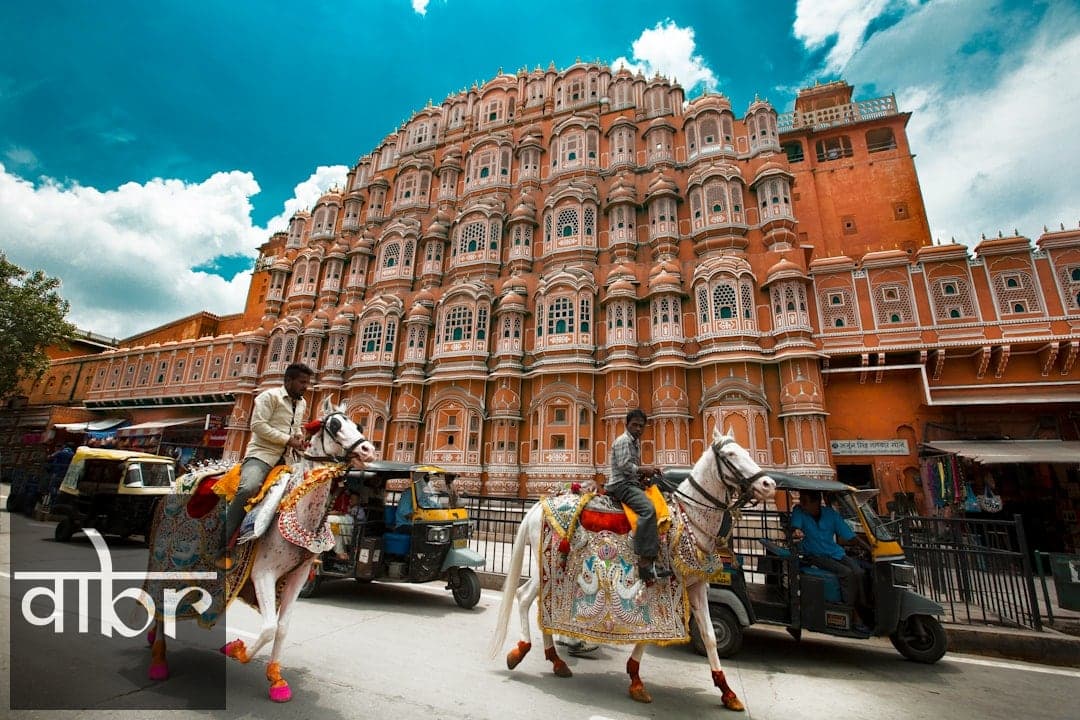
Jaipur, famously known as the Pink City, stands as one of India's most culturally rich and architecturally stunning destinations. Founded in 1727 by Maharaja Sawai Jai Singh II, the capital of Rajasthan is a masterclass in urban planning, royal heritage, and vibrant traditions.
Whether you are a history enthusiast, an architectural admirer, or a traveler looking for breathtaking viewpoints, Jaipur offers an unforgettable journey through time. Here is an editorially curated guide to the most famous places you must visit in Jaipur.
1. Amer Fort (Amber Fort)
Located roughly 11 kilometers from the main city center, Amer Fort is arguably Jaipur’s most iconic landmark. Perched on a hilltop overlooking Maota Lake, this UNESCO World Heritage Site blends Hindu and Mughal architectural styles.
- Key Highlights: The Sheesh Mahal (Mirror Palace), Diwan-e-Aam (Hall of Public Audience), and the intricate entry gateway known as Ganesh Pol.
- Best Time to Visit: Early morning to avoid peak crowds, or late evening for the light and sound show.
- Insider Tip: Walk or take an authorized shuttle up the ramparts instead of riding elephants to support ethical tourism.
2. Hawa Mahal (Palace of Winds)
Built in 1799 by Maharaja Sawai Pratap Singh, the Hawa Mahal features a unique five-story exterior facade resembling a honeycomb. Its 953 small windows, called jharokhas, were designed to allow royal women to observe street festivals without being seen by the public.
- Key Highlights: The delicate pink sandstone lattice work and panoramic views of the Old City from the top floors.
- Best Viewpoint: Visit the rooftop cafes directly across the street for the best photography angles of the main facade.
3. City Palace
Situated right in the heart of the Old City, the City Palace remains the official residence of the Jaipur royal family. The complex features a blend of Rajasthani and Mughal architecture, housing courtyards, gardens, and museum galleries.
- Key Highlights: The Pritam Niwas Chowk featuring four beautifully decorated gates representing the four seasons, and the Mubarak Mahal museum displaying historic royal textiles.
- Entry Options: Standard museum tickets cover main public courtyards; special private tour tickets allow access to the famous blue room (Chandra Mahal).
4. Jantar Mantar
Located adjacent to the City Palace, Jantar Mantar is an astronomical observatory built by Sawai Jai Singh II between 1728 and 1734. It features 19 architectural astronomy instruments, including the world’s largest stone sundial, the Vrihat Samrat Yantra.
- Why It Matters: It is a UNESCO World Heritage Site demonstrating the high level of scientific and astronomical knowledge in 18th-century India.
- Traveler Tip: Hire a certified guide at the entrance; otherwise, the purpose of the mathematical stone structures can be difficult to interpret.
5. Jal Mahal (Water Palace)
Floating in the center of Man Sagar Lake, Jal Mahal offers one of Jaipur's most tranquil sights. While the interior is currently closed to the general public, the view from the lakeside promenade during sunrise or sunset is well worth a stop.
- Structure: Though it appears to have only one story from the outside, the palace actually has four submerged levels beneath the water level.
6. Nahargarh Fort
Standing high on the Aravalli Hills, Nahargarh Fort once formed a strong defense ring for the city alongside Amer and Jaigarh Forts. Today, it is widely regarded as the best spot in Jaipur to watch the sunset.
- Key Features: The Madhavendra Bhawan, featuring identical suites built for nine queens, interconnected by corridors.
- Best Time: Late afternoon through sunset to capture nighttime views of the illuminated Jaipur skyline.
Key Summary of Top Attractions
Place | Primary Highlight | Ideal Time Required | Location |
|---|---|---|---|
Amer Fort | Mirror Palace (Sheesh Mahal) | 2.5–3 hours | Amer (~11 km north) |
Hawa Mahal | 953 lattice windows (Jharokhas) | 45–60 minutes | Old City |
City Palace | Royal courtyards & textiles | 1.5–2 hours | Old City |
Jantar Mantar | Historic stone sundial | 1 hour | Near City Palace |
Nahargarh Fort | Panoramic sunset views | 2 hours | Aravalli Hills |
Practical Tips for Visiting Jaipur
- Best Time to Visit: October to March offers pleasant weather suitable for sightseeing. Summer temperatures from April to June regularly exceed 40°C (104°F).
- Composite Tickets: Consider buying a Rajasthan Tourism composite ticket at the first venue you visit. It offers discounted entry to multiple sites including Amer Fort, Jantar Mantar, Nahargarh Fort, and Hawa Mahal over a two-day period.
- Local Transport: Auto-rickshaws and app-based cabs (Uber/Ola) are widely available. For exploring the narrow alleys of the Old City bazaars, walking is recommended.
Frequently Asked Questions
How many days are needed to explore Jaipur's famous places?
A 2-to-3-day itinerary is usually ideal to cover all major historic sites, forts, and local markets at a comfortable pace.
What is the Pink City bazaars best known for?
Jaipur is famous for Jaipur block-print textiles, Kundan and Meenakari jewelry, blue pottery, leather footwear (juttis), and traditional Rajasthani handicrafts.
Are Amer Fort and Jaigarh Fort connected?
Yes, Amer Fort and Jaigarh Fort are connected by subterranean passages and fortified walls designed for security and military movement.
Final Takeaway
Jaipur seamlessly blends regal architectural magnificence with living cultural traditions. Focusing your itinerary around historic strongholds like Amer Fort, architectural marvels like Hawa Mahal, and high vantage points like Nahargarh Fort ensures a comprehensive experience of Rajasthan's famed royal heritage.
Varta Brief Editorial Desk
• Newsroom StaffDedicated to objective, deep, and fact-verified reporting across technology, science, world affairs, and modern markets.
Follow Varta Brief on Google
Add Varta Brief as a preferred source to see our verified stories and daily briefings in Google Top Stories and Discover.
Found this briefing insightful?
Share it with your colleagues and community.