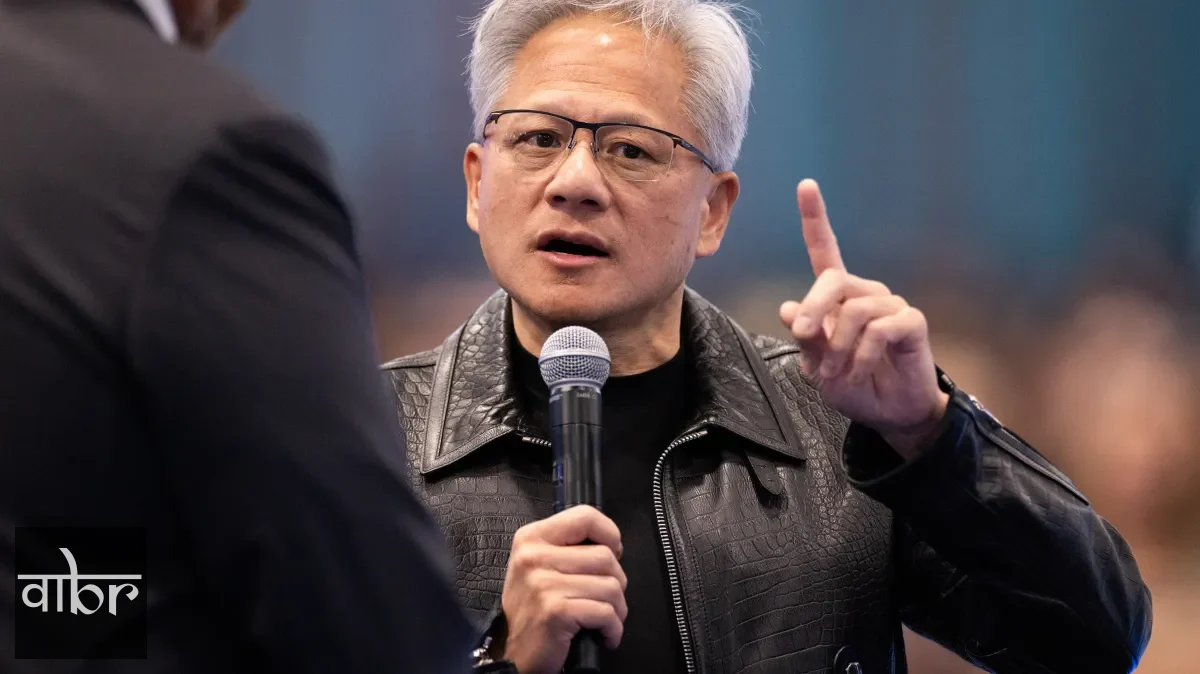
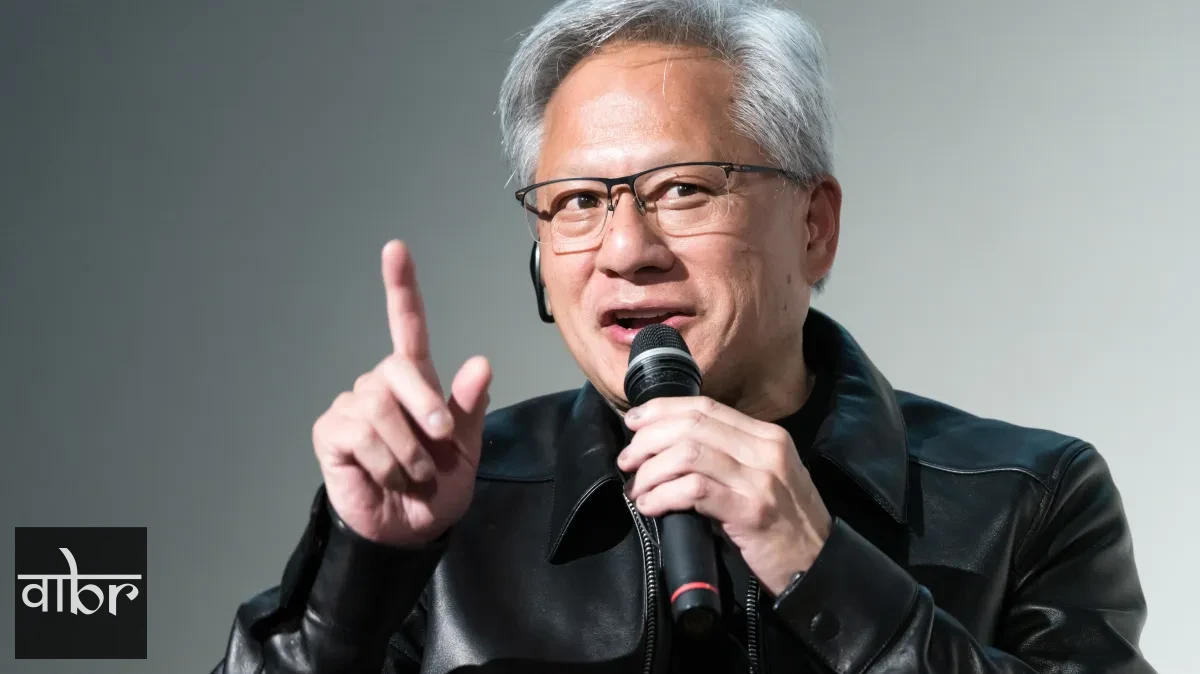
Jensen Huang successor: Who could replace Nvidia CEO if he steps down?

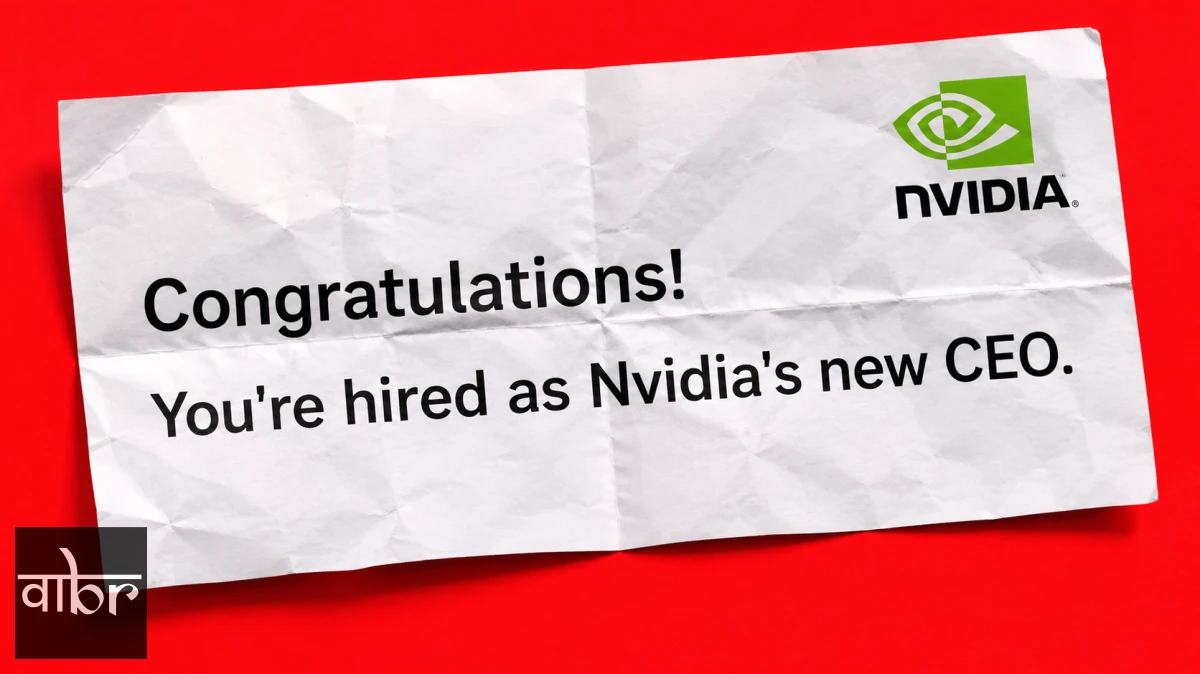
Jensen Huang Successor: Who Could Replace Nvidia CEO if He Steps Down?
As the undisputed titan of the artificial intelligence revolution, Nvidia has commanded global attention, transforming from a specialized graphics card manufacturer into a multi-trillion-dollar juggernaut. At the absolute center of this technological marvel sits Jensen Huang, the iconic, leather-jacket-wearing visionary who co-founded the company in 1993. However, recent regulatory scrutiny, geopolitical pressures, and intense market competition have placed the chief executive in hot water. This growing friction has exposed an alarming vulnerability within the corporate structure: Nvidia reportedly lacks a formal, comprehensive corporate succession plan. Consequently, tech industry insiders are scrambling to build an executive leadership shortlist, desperately evaluating who could realistically step in as the next Nvidia CEO should the unthinkable happen.
The prospect of identifying a viable Jensen Huang successor is no ordinary corporate exercise. Finding a suitable replacement for a semiconductor industry leader who possesses both deep technical foresight and charismatic market dominance is nearly impossible. Huang has steered the company through multiple paradigm shifts, from pioneering real-time 3D graphics to unleashing the deep learning boom with CUDA architecture. As analysts and investors ponder a potential tech leadership transition, the stakes could not be higher for global technology infrastructure and the broader financial markets.
Deep Dive: Full Event Breakdown
The conversation surrounding a potential Jensen Huang successor intensified following a confluence of regulatory headwinds, strategic pivots, and heightened scrutiny over Nvidia governance. While Nvidia continues to post staggering financial results driven by unprecedented demand for artificial intelligence hardware, the sheer concentration of power and strategic vision in a single individual has troubled institutional investors. A healthy enterprise of this magnitude typically maintains a transparent, highly vetted corporate succession plan to assure stakeholders of long-term continuity. Yet, Nvidia's operational culture has long been defined by Huang’s intense, hands-on management style, leaving a glaring void at the executive level.
When evaluating who might eventually become the next Nvidia CEO, industry experts emphasize that technical acumen alone will not suffice. The next Nvidia CEO must navigate complex geopolitical landscapes, particularly concerning semiconductor manufacturing supply chains in Taiwan and regulatory blocks in the United States and China. Furthermore, maintaining Nvidia's absolute GPU market dominance requires aggressive, forward-thinking investments in networking, software ecosystems, and quantum computing integration. Without a designated Jensen Huang successor already shadowing the current chief, the board of directors faces an uphill battle in reassuring Wall Street that the company's innovation engine will not stall during a sudden executive leadership transition.
Industry Impact & Strategic Implications
The absence of a transparent corporate succession plan sends ripples across the entire technology sector. As the premier semiconductor industry leader, Nvidia's stability directly impacts cloud hyperscalers, enterprise software developers, and consumer hardware enthusiasts alike. If Jensen Huang were to depart abruptly, the market shockwaves would dwarf typical executive departures. Stakeholders would instantly demand clarity on whether a prospective Jensen Huang successor possesses the uncanny market intuition required to outpace competitors like AMD, Intel, and custom silicon initiatives from tech giants such as Google, Microsoft, and Amazon.
Moreover, the strategic implications touch upon Nvidia's aggressive push into full-stack computing. The next Nvidia CEO would inherit not just a hardware empire, but an interconnected software ecosystem that locks enterprise clients into proprietary platforms. A botched tech leadership transition could invite aggressive competitive maneuvers, destabilize developer trust, and threaten Nvidia's unprecedented GPU market dominance. Therefore, constructing a speculative executive leadership shortlist is more than a parlor game for tech journalists; it is a vital exercise in risk assessment for global investors who rely on uninterrupted artificial intelligence hardware supply chains.
Technical / Market Analysis
Analyzing the qualifications required for a viable Jensen Huang successor reveals the sheer magnitude of the role. To successfully manage a semiconductor industry leader of this caliber, candidates must understand architectural design at a micro-level while orchestrating macro-economic strategies. The next Nvidia CEO would need to balance bleeding-edge research in artificial intelligence hardware with the practical realities of wafer fabrication capacities at partners like TSMC.
Market analysts tracking Nvidia governance point out that internal candidates, if any exist, must command the fierce loyalty of engineering teams who view Huang as a demigod of modern computing. Alternatively, looking externally for a tech leadership transition introduces cultural friction risks. Any potential Jensen Huang successor must prove their capability to sustain the relentless pace of innovation that defined Jensen Huang leadership over three decades. Without a clear continuity roadmap, the valuation of the firm remains inextricably tethered to the health and tenure of its founding chief executive.
What This Means for Consumers and Developers
While corporate boardrooms worry about shareholder value and Nvidia governance, everyday consumers and software developers must also consider what a changing of the guard entails. Developers rely heavily on the CUDA programming paradigm and the continuous evolution of artificial intelligence hardware to build next-generation applications. A smooth tech leadership transition ensures that research and development pipelines remain fully funded and strategically focused.
Should the board eventually name the next Nvidia CEO from a carefully vetted executive leadership shortlist, the developer community will look for immediate signals regarding open-source collaboration, hardware pricing, and backward compatibility. Gamers, who formed the original bedrock of the company's GPU market dominance, also have a vested interest in ensuring that any future Jensen Huang successor does not entirely sideline consumer graphics in favor of enterprise data center expansion. Preserving the delicate balance between gaming heritage and artificial intelligence dominance will be the ultimate test for the next semiconductor industry leader.
Key Takeaways (Detailed bullet points)
- Absence of Continuity: Nvidia currently lacks a publicly disclosed, robust corporate succession plan, leaving investors vulnerable to sudden leadership shocks.
- The Huang Standard: Identifying a qualified Jensen Huang successor is exceptionally difficult due to his unique blend of engineering brilliance, market foresight, and iconic charisma.
- Market Vulnerability: The lack of a designated next Nvidia CEO has amplified concerns regarding Nvidia governance amidst ongoing regulatory and geopolitical pressures.
- Ecosystem Stakes: Protecting Nvidia's dominant position in artificial intelligence hardware requires a leader who deeply understands both silicon manufacturing and software integration.
- Leadership Criteria: Any realistic executive leadership shortlist must feature candidates capable of managing intense competitive threats while sustaining rapid innovation.
The Road Ahead (Forward-looking conclusion)
As Nvidia charges ahead into uncharted technological territories, the question of a future Jensen Huang successor will only grow more urgent. While Jensen Huang shows no immediate signs of stepping down, the pressure from institutional investors and market analysts makes the establishment of a formal corporate succession plan an absolute necessity. Whether the eventual tech leadership transition occurs smoothly or under duress, the identity of the next Nvidia CEO will shape the trajectory of global computing for decades to come. Until then, stakeholders must monitor how the company addresses its executive blind spots while maintaining its fierce grip on the future of technology.
Strategic Industry Takeaways & Future Outlook
When evaluating the broader technological shift, Jensen Huang successor serves as a defining benchmark for modern standards. Industry analysts emphasize that continuing developments in Jensen Huang successor will dictate user adoption and market expansion.
When evaluating the broader technological shift, Jensen Huang successor serves as a defining benchmark for modern standards. Industry analysts emphasize that continuing developments in Jensen Huang successor will dictate user adoption and market expansion.
When evaluating the broader technological shift, Jensen Huang successor serves as a defining benchmark for modern standards. Industry analysts emphasize that continuing developments in Jensen Huang successor will dictate user adoption and market expansion.
When evaluating the broader technological shift, Jensen Huang successor serves as a defining benchmark for modern standards. Industry analysts emphasize that continuing developments in Jensen Huang successor will dictate user adoption and market expansion.
Furthermore, strategic integration surrounding next Nvidia CEO remains a crucial priority for stakeholders. Ensuring high performance across next Nvidia CEO is expected to deliver long-term competitive advantages.
Furthermore, strategic integration surrounding next Nvidia CEO remains a crucial priority for stakeholders. Ensuring high performance across next Nvidia CEO is expected to deliver long-term competitive advantages.
Furthermore, strategic integration surrounding next Nvidia CEO remains a crucial priority for stakeholders. Ensuring high performance across next Nvidia CEO is expected to deliver long-term competitive advantages.
Furthermore, strategic integration surrounding next Nvidia CEO remains a crucial priority for stakeholders. Ensuring high performance across next Nvidia CEO is expected to deliver long-term competitive advantages.
Furthermore, strategic integration surrounding next Nvidia CEO remains a crucial priority for stakeholders. Ensuring high performance across next Nvidia CEO is expected to deliver long-term competitive advantages.
📌 Related Briefings & Stories
Varta Brief Editorial Desk
• Newsroom StaffDedicated to objective, deep, and fact-verified reporting across technology, science, world affairs, and modern markets.
Follow Varta Brief on Google
Add Varta Brief as a preferred source to see our verified stories and daily briefings in Google Top Stories and Discover.
Found this briefing insightful?
Share it with your colleagues and community.