Megaspeed Executive Recruited to Spy on Nvidia CEO Jensen Huang

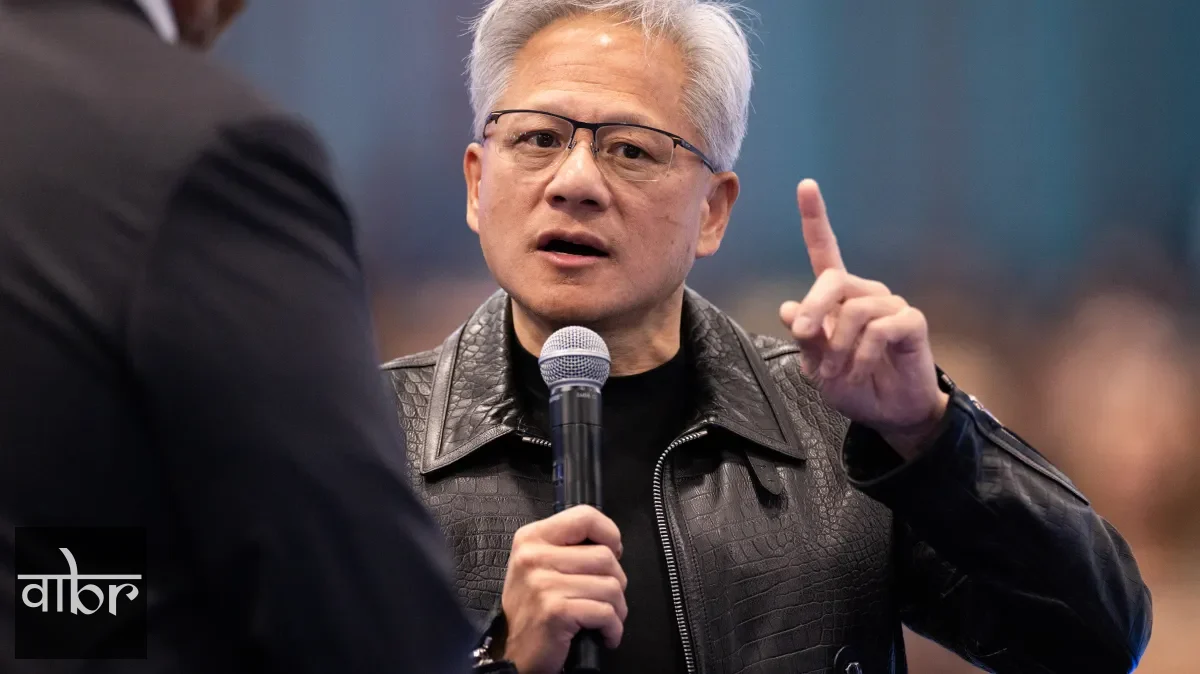
The intersection of geopolitics, artificial intelligence dominance, and high-stakes corporate espionage has reached a boiling point. Recent revelations brought to light by a leaked US intelligence memo have sent shockwaves through Silicon Valley and international defense circles alike. According to the document circulated earlier this year, a female technology executive from Megaspeed was allegedly recruited by China’s Ministry of State Security to conduct covert surveillance and gather sensitive intelligence regarding the Nvidia CEO espionage campaign. This alarming development underscores the extreme lengths to which foreign intelligence agencies are willing to go to tilt the global balance of power in artificial intelligence hardware and semiconductor technology.
As Nvidia continues to dominate the global marketplace with its cutting-edge graphics processing units and accelerators powering the generative AI revolution, the target on the back of its leadership has never been larger. The incident involving the Megaspeed executive highlights vulnerabilities at the highest tiers of corporate governance and operational security. In this deep-dive investigative report, we examine the mechanics of the alleged plot, the broader implications for the semiconductor supply chain, and what this means for the future of tech industry espionage.
Deep Dive: Full Event Breakdown
The narrative surrounding the Megaspeed executive begins with a sophisticated recruitment strategy orchestrated by operatives tied to foreign intelligence. According to details embedded within the US intelligence memo, the individual in question was positioned within a critical nexus of the technology ecosystem, granting her potential access to high-profile industry events, executive circles, and confidential strategic roundtables. The primary objective of the operation was singular and audacious: infiltrate the inner circle surrounding the Nvidia CEO espionage target to extract proprietary roadmaps, supply chain dependencies, and architectural secrets.
Corporate espionage at this level is rarely a clumsy affair. Modern intelligence operations leverage social engineering, financial incentives, and deep-cover asset handlers to compromise executives who possess high-value access. In the case of the Megaspeed executive, intelligence analysts noted that her professional trajectory offered numerous opportunities to cross paths with top-tier technology leaders. While details regarding the exact methods of communication and data exfiltration remain classified or closely guarded by federal investigators, the mere existence of the US intelligence memo serves as a stark warning to other multinational corporations operating in sensitive sectors.
The fallout from this revelation has already triggered internal security audits across multiple Silicon Valley firms. Executives who previously enjoyed relaxed networking environments and open industry conferences are now reevaluating their travel itineraries, communication channels, and physical security protocols. The Nvidia CEO espionage attempt represents a watershed moment, proving that personal executive security is just as critical as cybersecurity firewalls and data encryption.
Industry Impact & Strategic Implications
The ramifications of the Megaspeed executive scandal extend far beyond corporate boardrooms, rippling directly into international trade policy, export controls, and diplomatic relations. Artificial intelligence hardware has effectively become the new oil, and the companies manufacturing these chips are treated as strategic national assets. When a foreign state actor allegedly targets a Megaspeed executive to spy on the leader of the world's most valuable chip designer, it transforms a standard corporate security breach into an issue of supreme national security.
For the broader semiconductor supply chain, this event reinforces the growing rift between Western technology ecosystems and rival superpowers. Companies are increasingly forced to choose between open global collaboration and hardened security silos. The semiconductor supply chain relies heavily on cross-border manufacturing, testing, and distribution networks, making it inherently difficult to secure every single node from malicious state interference. Consequently, industry leaders are demanding increased collaboration with federal intelligence agencies to vet high-level employees, partners, and vendors more rigorously than ever before.
Furthermore, the incident places immense pressure on board members and executive search firms. Vetting procedures for top-tier leadership roles must now incorporate comprehensive counter-intelligence assessments, probing past associations, financial anomalies, and foreign ties. If a Megaspeed executive can be successfully co-opted, competitors and adversaries will inevitably scrutinize every other major tech enterprise for similar vulnerabilities.
Technical / Market Analysis
From a market perspective, the revelations regarding the Nvidia CEO espionage plot arrive at a uniquely sensitive juncture. Nvidia’s market capitalization and technological moat rely almost entirely on its continuous innovation cycle, proprietary software ecosystems like CUDA, and next-generation chip architectures. If state-sponsored actors were to successfully compromise the Nvidia CEO espionage ecosystem, critical intellectual property regarding upcoming hardware generations could be leaked, granting foreign competitors an unfair shortcut in closing the performance gap.
Technically speaking, modern AI hardware development involves thousands of engineers, complex fabrication pipelines, and proprietary EDA (Electronic Design Automation) software. However, the macro-level strategic roadmap—such as which workloads are being prioritized, future manufacturing nodes being secured at foundries like TSMC, and enterprise client commitments—is primarily held at the executive level. Targeting the Nvidia CEO espionage vector is therefore a calculated strategy: rather than trying to steal petabytes of complex source code, an adversary gains maximum leverage by capturing executive intent, strategic partnerships, and high-level architectural visions.
Investors and market analysts are closely monitoring how this intelligence leak will impact tech valuations and regulatory scrutiny. Companies engaging in cross-border partnerships or maintaining significant operational footprints overseas will likely face tighter regulatory hurdles. The Department of Commerce and federal intelligence bodies are expected to issue expanded guidelines to help firms mitigate geopolitical tech risks before they materialize into full-scale security crises.
What This Means for Consumers and Developers
While everyday consumers and independent software developers might feel detached from high-level geopolitical intrigue, the ripple effects of the Megaspeed executive scandal will ultimately touch everyone who interacts with modern technology. When corporate espionage targets foundational tech leaders, R&D budgets are inevitably redirected away from pure innovation and toward defensive cybersecurity, compliance, and legal overhead.
For developers building applications on top of advanced AI frameworks, any disruption or security breach within major hardware manufacturers could translate into supply bottlenecks, delayed product rollouts, or altered pricing structures for cloud compute resources. As semiconductor manufacturing becomes more heavily guarded and compartmentalized, the cost of developing cutting-edge artificial intelligence hardware will likely rise, potentially favoring mega-corporations over smaller startups.
Moreover, the heightened vigilance surrounding Jensen Huang security and other tech titans means that public appearances, developer conferences, and industry summits will feature enhanced security screenings. The era of casual, open-door innovation in Silicon Valley is rapidly giving way to a heavily monitored, fortress-like reality where trust must be continuously verified.
Key Takeaways
- A leaked US intelligence memo revealed that a Megaspeed executive was allegedly recruited by China’s Ministry of State Security.
- The primary target of the intelligence operation was the Nvidia CEO espionage campaign, aimed at extracting high-level strategic secrets.
- The incident exposes critical vulnerabilities in executive protection and highlights the escalating reality of corporate espionage in the tech sector.
- The semiconductor supply chain and AI hardware markets face renewed pressure to balance global operations with rigorous counter-intelligence measures.
- Industry leaders are urgently revising vetting processes, travel protocols, and internal security guidelines to prevent future breaches.
The Road Ahead
The exposure of the Megaspeed executive and the thwarted attempt centered around the Nvidia CEO espionage operation mark a permanent shift in how the technology industry views security. As artificial intelligence continues to dictate the geopolitical hierarchy, corporate executives are no longer just business leaders; they are high-value targets in a quiet, relentless technological war.
Looking forward, companies across the tech spectrum must adopt a holistic defense posture that merges traditional cybersecurity with active counter-intelligence awareness. Governments and private enterprises will need to forge deeper, more transparent partnerships to protect critical infrastructure and intellectual property. Ultimately, the lessons learned from this intelligence memo will shape corporate governance for the next decade, ensuring that the architects of the AI revolution are shielded from the pervasive shadows of modern espionage.
Strategic Industry Takeaways & Future Outlook
When evaluating the broader technological shift, Nvidia CEO espionage serves as a defining benchmark for modern standards. Industry analysts emphasize that continuing developments in Nvidia CEO espionage will dictate user adoption and market expansion.
When evaluating the broader technological shift, Nvidia CEO espionage serves as a defining benchmark for modern standards. Industry analysts emphasize that continuing developments in Nvidia CEO espionage will dictate user adoption and market expansion.
When evaluating the broader technological shift, Nvidia CEO espionage serves as a defining benchmark for modern standards. Industry analysts emphasize that continuing developments in Nvidia CEO espionage will dictate user adoption and market expansion.
When evaluating the broader technological shift, Nvidia CEO espionage serves as a defining benchmark for modern standards. Industry analysts emphasize that continuing developments in Nvidia CEO espionage will dictate user adoption and market expansion.
When evaluating the broader technological shift, Nvidia CEO espionage serves as a defining benchmark for modern standards. Industry analysts emphasize that continuing developments in Nvidia CEO espionage will dictate user adoption and market expansion.
When evaluating the broader technological shift, Nvidia CEO espionage serves as a defining benchmark for modern standards. Industry analysts emphasize that continuing developments in Nvidia CEO espionage will dictate user adoption and market expansion.
Furthermore, strategic integration surrounding Megaspeed executive remains a crucial priority for stakeholders. Ensuring high performance across Megaspeed executive is expected to deliver long-term competitive advantages.
Furthermore, strategic integration surrounding Megaspeed executive remains a crucial priority for stakeholders. Ensuring high performance across Megaspeed executive is expected to deliver long-term competitive advantages.
Furthermore, strategic integration surrounding Megaspeed executive remains a crucial priority for stakeholders. Ensuring high performance across Megaspeed executive is expected to deliver long-term competitive advantages.
Furthermore, strategic integration surrounding Megaspeed executive remains a crucial priority for stakeholders. Ensuring high performance across Megaspeed executive is expected to deliver long-term competitive advantages.
Furthermore, strategic integration surrounding Megaspeed executive remains a crucial priority for stakeholders. Ensuring high performance across Megaspeed executive is expected to deliver long-term competitive advantages.
Key factors influencing this sector also include China Ministry of State Security, each playing an essential role in ongoing development and implementation.
📌 Related Briefings & Stories
Varta Brief Editorial Desk
• Newsroom StaffDedicated to objective, deep, and fact-verified reporting across technology, science, world affairs, and modern markets.
Follow Varta Brief on Google
Add Varta Brief as a preferred source to see our verified stories and daily briefings in Google Top Stories and Discover.
Found this briefing insightful?
Share it with your colleagues and community.