
Meta Mixed Reality Headset Leaks: Detailed Images and Specs

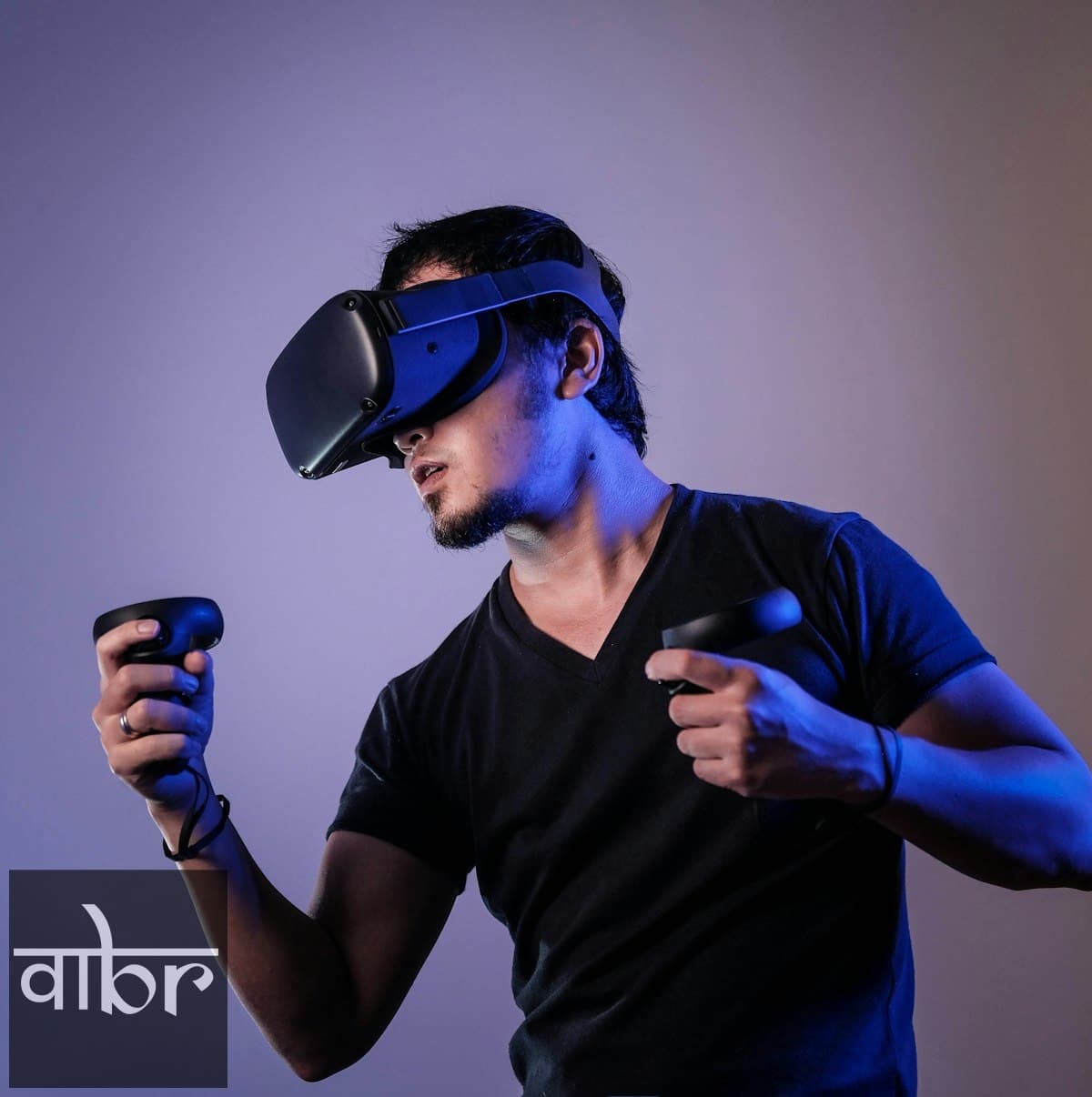
Newly surfaced renders and prototype photographs offer an unprecedented look at Meta's upcoming mixed reality headset. The images disclose a streamlined hardware enclosure, reconfigured sensor clusters, and a significantly reduced front-visor profile compared to previous Quest models.
Industry analysts indicate that Meta engineered this device to bridge the gap between mass-market consumer headsets and high-end spatial computing hardware. These detailed visual leaks provide crucial clues about how Meta intends to refine user comfort, display clarity, and real-time environment processing.
Understanding these hardware iterations helps place Meta's roadmap in context with broader spatial computing developments. As hardware developers refine display technologies and spatial sensors, devices are rapidly shifting from bulky peripherals to sleek daily computing tools.
Key Takeaways and Core Hardware Highlights
- Redesigned Sensor Array: The front housing features a three-pod sensor alignment, integrating dual high-resolution RGB passthrough cameras alongside a central infrared depth projector.
- Slimmer Form Factor: Pancake lens optics allow Meta to reduce the optic stack depth by roughly 20 percent relative to earlier consumer headsets.
- Enhanced Passive Cooling: Prominent intake vents positioned along the lower housing rim suggest a higher operating wattage for expanded graphical processing.
- Ergonomic Rear Strap Adjustment: The rear rigid headband incorporates a micro-dial tensioner designed to balance front-heavy weight distribution more evenly.
Visual Design and Physical Chassis Iterations
The leaked imagery showcases a refined aesthetic that departs from the blocky contours of mid-tier headsets. Meta's design engineering team appears to prioritize structural ergonomics and weight redistribution to address long-standing thermal and comfort bottlenecks.
The front faceplate transitions to a smooth matte polycarbonate shell, punctuated by three vertical pill-shaped camera cutouts. These openings accommodate stereo passthrough sensors, allowing real-time, low-latency color video to stream to the internal displays.
Integrated ventilation slits run across both the top and bottom perimeters of the front visor. This thermal layout permits active fan cooling without blowing warm air toward the wearer's eyes or optical lenses, ensuring sustained performance during extended immersive gaming sessions.
By keeping weight closer to the user's face, Meta reduces rotational inertia. This structural refinement significantly decreases neck fatigue during quick head motions in high-intensity virtual reality environments.
Display Specifications and Optical Stack Innovations
Beyond external aesthetics, technical schematics accompanying the visual leak reveal substantial internal display upgrades. The new headset leverages dual micro-OLED panels paired with customized pancake optics, promising sharp visual density and reduced chromatic aberration.
Visual rendering clarity plays a vital role in cutting-edge platform adoption. Industry observers note that these display shifts align with trends identified in Top Tech Trends to Watch in 2026: Innovations, where display density and energy efficiency drive mainstream spatial device integration.
The micro-OLED panels reportedly deliver a resolution exceeding 2500 x 2500 pixels per eye. This resolution bump drastically reduces the screen-door effect while sharp rendering ensures clear readability for fine text and complex graphics.
Feature Component | Current Standard (Quest 3) | Leaked Next-Gen Meta Headset | Apple Vision Pro Comparison |
|---|---|---|---|
Display Panel Type | Fast-Switch LCD | Dual Micro-OLED | Dual Micro-OLED |
Optics System | Dual Pancake Lenses | Advanced Aspheric Pancake | Custom Three-Element Pancake |
Passthrough Latency | ~12 milliseconds | ~8 milliseconds | ~12 milliseconds |
Weight Profile | 515 grams | ~470 grams (Estimated) | 600-650 grams |
Primary Input Method | Motion Controllers + Tracking | Ringless Controllers + Eye/Hand | Eye Tracking + Hand Pinch |
Furthermore, the optic stack includes dynamic inter-pupillary distance (IPD) adjustment powered by miniature internal servos. The internal sensors adjust lens placement automatically based on precise eye-tracking camera feedback upon donning the headset.
Processing Architecture and Spatial Sensor Suite
The hardware leaks strongly point toward a customized chipset developed in close collaboration with Qualcomm. This next-generation system-on-chip (SoC) delivers enhanced GPU rendering throughput while maintaining strict thermal limits.
Spatial awareness relies heavily on dedicated hardware acceleration for tracking pipelines. The primary SoC offloads simultaneous localization and mapping (SLAM) processing to an auxiliary spatial coprocessor, freeing primary GPU cycles for game engine rendering.
This division of silicon labor mirrors larger trends across high-performance computing platforms. Readers monitoring hardware architectures can explore similar hardware and software integration patterns in our analysis on Tech Briefing: AI Chips, Cyber Threats, and Canadian Policy.
Advanced hand-tracking algorithms operate alongside external optical camera feeds. By processing hand position data on low-power dedicated silicon, the headset maintains precise controller-free input tracking without depleting the onboard battery rapidly.
"Decreasing display latency and optimizing spatial mapping at the hardware level remains the critical threshold for mixed reality devices. Meta's shift toward optimized optical engines and micro-OLED panels demonstrates that consumer demand is driving enterprise-grade hardware down to accessible price points." — Industry Hardware Analyst & Spatial Computing Researcher
Ecosystem Position and Developer Opportunities
Hardware improvements directly influence how software creators build spatial apps and interactive experiences. High-fidelity passthrough camera feeds enable developers to anchor digital objects securely into real-world living spaces without visual jitter.
Content creators planning to build immersive media, spatial videos, or virtual tutorials will benefit from updated SDKs designed to leverage the device's enhanced tracking hardware. Creative teams can explore optimized asset workflows using the tools highlighted in Best AI Tools for Content Creators: Video and Audio.
The headset's integrated controller design eliminates external tracking rings entirely. Internal optical sensors built directly into the handles track controller position, avoiding occlusion issues when hands cross or move close to the body.
Moreover, the addition of precise eye-tracking hardware unlocks foveated rendering natively across supported applications. By rendering full visual resolution only where the user looks, the graphics engine saves substantial computational resources without sacrificing perceived visual fidelity.
Market Context and Concluding Outlook
The leaked images confirm Meta's aggressive commitment to maintaining its lead in consumer mixed reality hardware. By pairing pancake optics with micro-OLED panels and lighter chassis materials, the company directly tackles previous ergonomics and visual clarity criticisms.
While official launch timelines and final retail pricing remain unconfirmed, the advanced manufacturing state shown in these leaked prototype images points to an upcoming official announcement later this year.
As competitors release spatial hardware targeted at ultra-premium price points, Meta's balanced hardware strategy positions this upcoming headset as a versatile option for gamers, remote workers, and spatial computing enthusiasts worldwide.
Varta Brief Editorial Desk
• Newsroom StaffDedicated to objective, deep, and fact-verified reporting across technology, science, world affairs, and modern markets.
Follow Varta Brief on Google
Add Varta Brief as a preferred source to see our verified stories and daily briefings in Google Top Stories and Discover.
Found this briefing insightful?
Share it with your colleagues and community.
