Why Mundane Video Game Design Is Driving the Next Era of GTA VI and WoW
Discover how immersive gaming downtime in Grand Theft Auto VI and World of Warcraft signals a major shift toward quiet moments in modern AAA titles.

Varta Brief Team
Tuesday, November 24, 2026

- Discover how immersive gaming downtime in Grand Theft Auto VI and World of Warcraft signals a major shift toward quiet moments in modern AAA titles.
- In modern interactive entertainment, a quiet revolution is taking place. While blockbuster titles historically built their reputations on adrenaline-pumping action, high-stakes dra...
In modern interactive entertainment, a quiet revolution is taking place. While blockbuster titles historically built their reputations on adrenaline-pumping action, high-stakes dragon battles, and cinematic car chases, industry giants are turning toward a surprisingly calm alternative. The rise of mundane video game design demonstrates that quiet, everyday moments can be just as captivating as high-octane set pieces. From the detailed domestic realities teased in Grand Theft Auto VI to the social, slow-paced sanctuary of World of Warcraft, contemporary titles are capitalizing on immersive gaming downtime to redefine how players inhabit digital spaces.
This editorial analysis explores how shifting market dynamics, psychological fatigue, and advancing technology have elevated everyday activities—grocery shopping, sitting in a vehicle during a rainstorm, or organizing a virtual home—into essential design pillars. By analyzing Rockstar Games simulation fidelity and expanding World of Warcraft features, we uncover why the mundane is currently having its biggest moment in video game history and how prioritizing immersive gaming downtime transforms interactive storytelling.
Deep Dive: Full Event Breakdown
The gaming landscape has reached a crucial inflection point where game developers recognize that constant sensory overload leads to diminishing returns. In Grand Theft Auto VI, Rockstar Games is pushing open-world realism beyond police chases and grand heists. Leaks and promotional footage highlight mundane interactions—navigating flooded streets, browsing store shelves, washing vehicles, and witnessing ambient social media interactions—showing how mundane video game design underpins the entire ecosystem. Rather than rushing players between high-stakes missions, the game embraces structural stillness, giving equal narrative weight to quiet domestic life in Vice City and offering deliberate immersive gaming downtime.
Simultaneously, Blizzard Entertainment has doubled down on low-intensity activities across its flagship MMO. Recent World of Warcraft features, such as expanded player housing, fishing reworks, and atmospheric exploration, illustrate a profound pivot. Instead of forcing players through endless endgame raids, Blizzard leverages immersive gaming downtime to provide a comforting backdrop where players can simply exist. This integration of cozy gaming trends within a legacy hardcore franchise shows that mundane video game design is not merely a design quirk; it is a structural necessity for modern franchise longevity.
By intentionally recalibrating game mechanics pacing, both titles create stark emotional contrasts. When intense combat is punctuated by immersive gaming downtime, the action hits harder, and the quiet moments feel earned. The deliberate implementation of mundane video game design transforms passive virtual environments into living, believable spaces that respect the player's personal rhythm and offer meaningful rest.
Industry Impact & Strategic Implications
The strategic adoption of mundane video game design reflects shifting player demographics and long-term consumption habits. For over two decades, AAA game studios focused on hyper-escalation—bigger explosions, faster movement, and denser combat density. However, modern telemetry data reveals that constant intensity often triggers cognitive burnout. By prioritizing immersive gaming downtime, studios can significantly improve player engagement metrics without constantly inflating production budgets or asset complexity.
Furthermore, this design philosophy fundamentally reshapes live-service content strategy. Games that rely strictly on competitive stress struggle to maintain daily active users over multi-year cycles. Conversely, titles that incorporate mundane video game design cultivate rich emergent gameplay loops, allowing players to set their own low-stakes goals during immersive gaming downtime. Whether it is maintaining a personal vehicle in Vice City or decorating guild spaces in Azeroth, these low-stakes interactions foster deep community attachment, sustainable retention, and organic player agency.
As major studios observe the commercial stability of titles that feature immersive gaming downtime, studio portfolio management is evolving. Incorporating mundane video game design allows developers to build resilient virtual worlds that function as authentic social hangouts rather than relentless skill tests.
Technical / Market Analysis
From an engineering perspective, executing convincing mundane video game design is remarkably complex. Simulating high-speed explosions requires traditional physics engines, but capturing the subtle behavior of crowds, realistic store checkouts, or organic weather effects requires advanced procedural tools and ambient AI systems. Rockstar Games simulation tech relies on intricate behavioral scripts that allow NPC daily routines to feel authentic, ensuring that immersive gaming downtime remains captivating even when no active mission is underway.
Market analysis indicates a strong alignment between mundane video game design and high monetization health in modern live-service titles. When players spend extended periods experiencing immersive gaming downtime, their emotional attachment to avatar customization, cosmetic housing items, and lifestyle gear increases significantly. Market data shows that immersive gaming downtime creates organic opportunities for social flex and self-expression, driving higher lifetime customer value compared to titles that solely emphasize linear action.
Engineers building mundane video game design must prioritize high-fidelity audio design, soft lighting transitions, and tactile UI interactions. These micro-details make immersive gaming downtime feel deeply rewarding, proving that atmospheric subtlety requires just as much technical innovation as hyper-kinetic combat sequences.
What This Means for Consumers and Developers
For consumers, the elevation of mundane video game design provides much-needed variety and emotional breathing room. Players no longer need to operate at peak reflexes during every session; instead, they can choose when to engage in high-stakes combat and when to enjoy immersive gaming downtime. This flexibility bridges the gap between traditional core titles and lifestyle entertainment, making complex AAA titles far more accessible to broader audiences.
For developers, mastering mundane video game design offers a powerful creative tool to balance game pacing and project scope. Rather than spending tens of millions of dollars crafting scripted explosion sequences that last five minutes, studios can invest in systems that generate hundreds of hours of satisfying immersive gaming downtime. By weaving mundane video game design into core loops, developers build resilient virtual economies while mitigating studio crunch associated with endless content escalation.
Key Takeaways
Mundane video game design has transitioned from secondary filler to a primary driver of long-term engagement in blockbuster AAA titles. High-profile games like Grand Theft Auto VI and World of Warcraft demonstrate that immersive gaming downtime enhances world realism and emotional resonance. Integrating mundane video game design directly supports modern live-service content strategy by mitigating player burnout and stabilizing daily active user metrics. Advances in Rockstar Games simulation systems prove that realistic ambient behavior and quiet downtime require sophisticated technical engineering. Providing structured immersive gaming downtime unlocks organic monetization opportunities through lifestyle customization and social self-expression.
The Road Ahead
As the games industry moves deeper into the current hardware generation, the influence of mundane video game design will continue to expand across genres. The massive success of quiet moments in games like GTA VI and World of Warcraft signals to the broader industry that players crave agency over their operational pace. In the coming years, we expect to see mundane video game design become a standard benchmark for evaluating open-world quality and player freedom.
Ultimately, the industry-wide push toward immersive gaming downtime demonstrates the maturation of interactive entertainment. By acknowledging that routine actions carry profound narrative and psychological weight, developers are creating virtual worlds that feel truly lived-in. As studios refine mundane video game design, the line between virtual presence and meaningful entertainment will continue to blur, establishing quiet moments as the ultimate modern luxury in gaming.
Strategic Industry Takeaways & Future Outlook
Furthermore, strategic integration surrounding immersive gaming downtime remains a crucial priority for stakeholders. Ensuring high performance across immersive gaming downtime is expected to deliver long-term competitive advantages.
📌 Related Briefings & Stories
Amazon Decart Acquisition Signals Bold Move to Challenge Nvidia AI Dominance Nvidia Board Governance Tested as Jensen Huang Discloses Additional Affairs GTA 6 Weekend Sales Crush Eras Tour and Shatter Gaming Records
Varta Brief Team
· Newsroom DeskReported, verified, and published by the Varta Brief editorial desk with an uncompromising commitment to primary-source verification and independent journalism.
Related Dispatches
More in Gaming →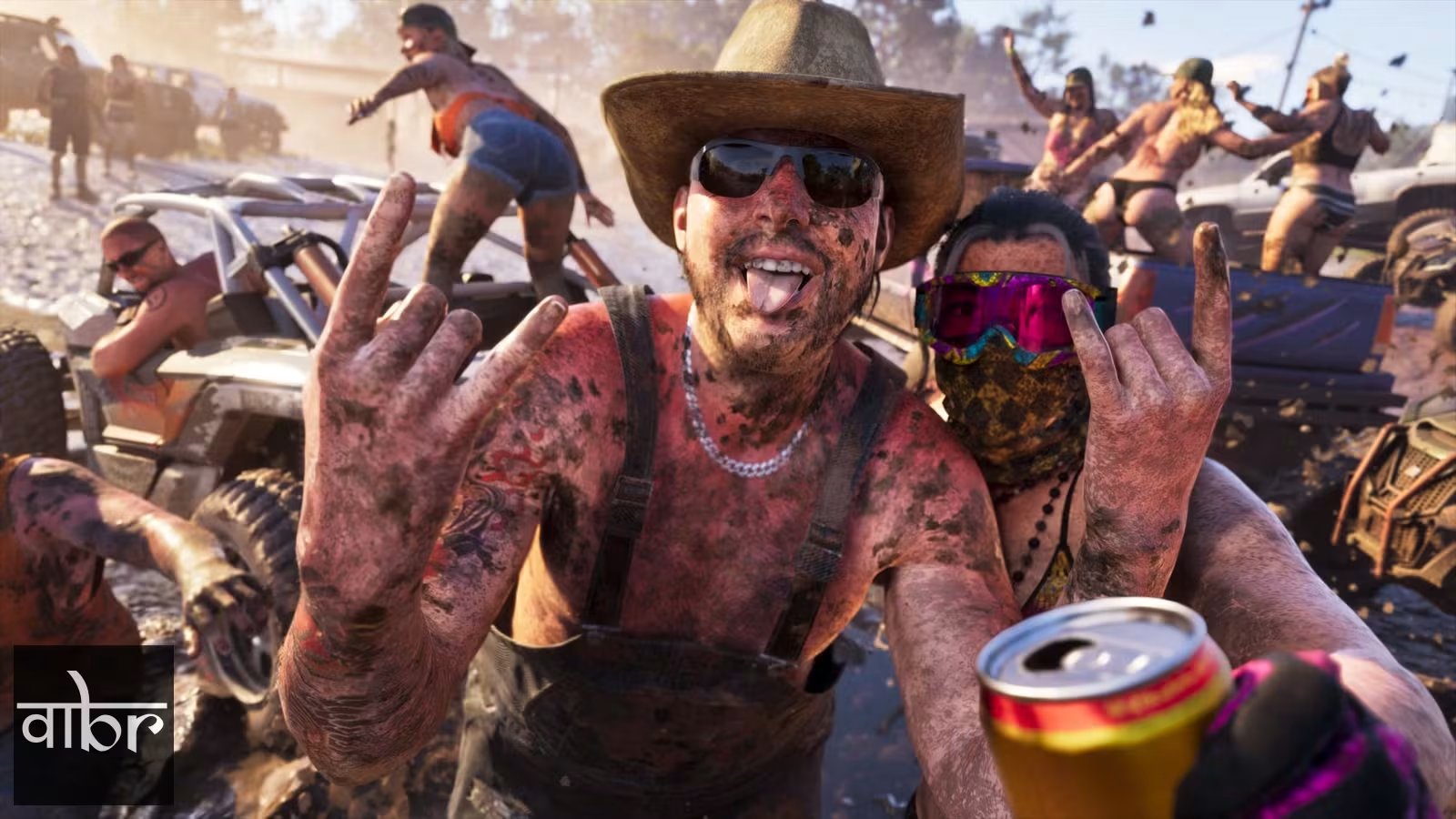
GTA 6 Weekend Sales Crush Eras Tour and Shatter Gaming Records
GTA 6 smashes sales records, outperforming Taylor Swift's tour and major films while driving gaming industry revenue to unprecedented global heights.
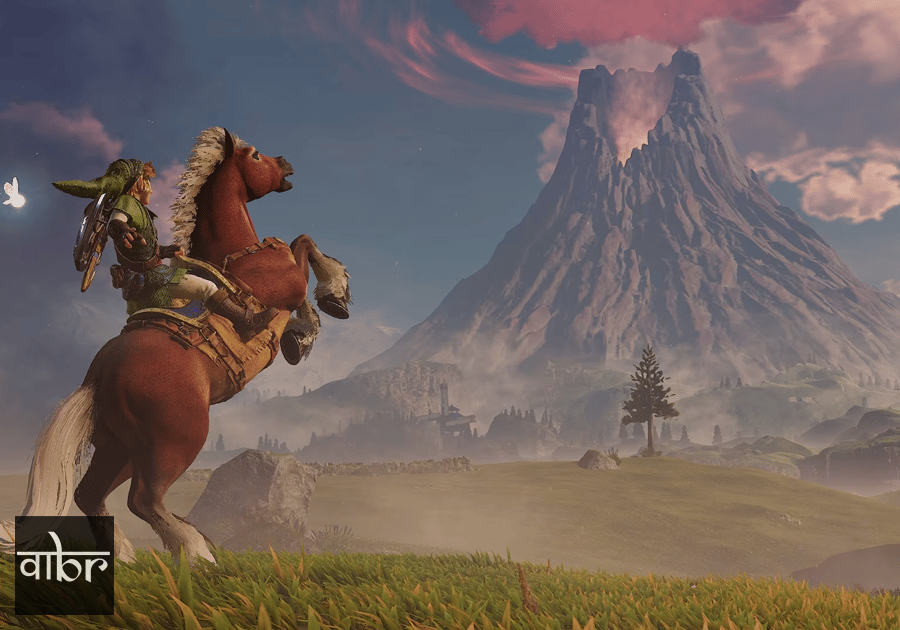
How Ocarina of Time Remake Shapes Junior Game Developers at Nintendo
Nintendo's strategy leverages iconic titles to train junior game developers, instilling core design mechanics while building future Zelda games.

Unity Acquisition Rumors Addressed by Exec Amid Game Engine Market Shifts
Unity exec Adam Smith addresses Unity acquisition rumors as quarterly financial results stabilize the company's place in the evolving game engine market.