
New Exoplanet Atmosphere Discoveries from Deep Space

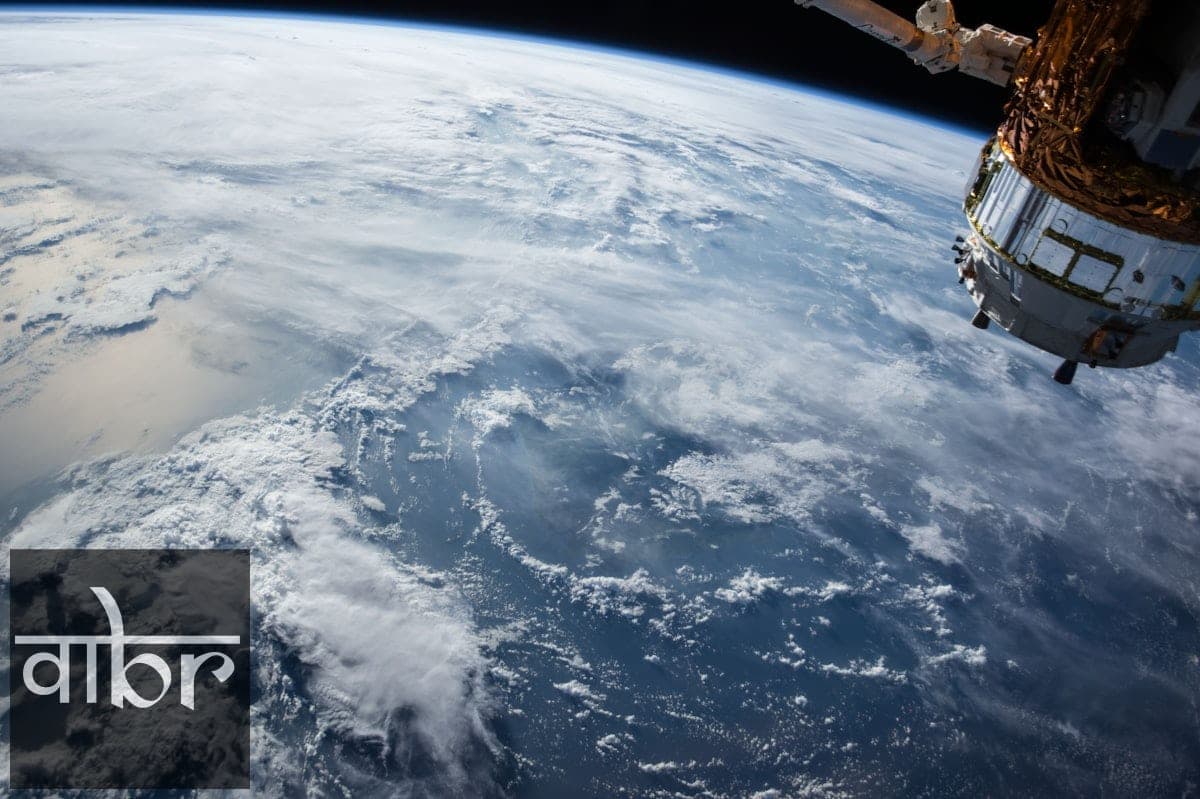
Revolutionizing Planetary Science Through Orbital Sensors
Deep-space observation missions have transformed exoplanetology from an observational novelty into a rigorous, data-driven science. By pointing sophisticated infrared eyes toward distant star systems, researchers routinely pierce the atmospheric veils of alien worlds. These missions provide the empirical foundation needed to classify planets beyond our solar system accurately.
Every new spectrum analyzed adds vital puzzle pieces to our understanding of planetary formation. For instance, recent observations of dense terrestrial planets have challenged existing geological models. To see how these findings unfold, check out our report on how JWST Reveals Carbon-Rich Atmospheres on Rocky Exoplanets.
Mapping Thermal Structures and Meteorological Shifts
Understanding an exoplanet requires more than just identifying static chemical constituents; it demands a comprehensive view of its climate engine. Space telescopes evaluate longitudinal temperature variations to map weather patterns across tidally locked worlds. These studies reveal perpetual nightsides locked in freezing darkness alongside blistering, irradiated daysides.
Cataloging these thermal anomalies requires exceptional telescope stability and long observation windows. For detailed insights into meteorological tracking, review our briefing on Exoplanet Weather Patterns Unveiled by Space Telescopes. Additionally, extreme atmospheric phenomena are thoroughly examined in our feature on how Telescopes Map Extreme Weather on Hot Jupiter Exoplanets.
Detecting Key Volatiles: Water and Beyond
The identification of atmospheric volatiles provides critical clues about a planet's formation history and migration path. Space-based instruments have successfully charted water vapor abundance across multiple planetary classes. Read about these monumental findings in our analysis of how the James Webb Space Telescope Detects Water Vapor on Exoplanet Atmospheres.
Detecting water is merely the beginning of modern astrochemical investigations. Researchers also target carbon monoxide, methane, and ammonia to constrain atmospheric metallicity. These chemical inventories help astrophysicists determine whether a planet formed near its current orbit or migrated inward from the distant icy fringes of its system.
The Reality of Biosignature Detection
As public interest in extraterrestrial life surges, distinguishing between genuine biosignatures and abiotic phenomena remains paramount. Scientists evaluate complex photochemical reactions that might mimic biological outputs without the presence of living organisms. For a sober, scientific assessment of our current capabilities, consult our in-depth feature on Biosignatures in Exoplanet Atmospheres: Current Reality.
Looking Ahead: The Next Generation of Observatories
Planning for future deep-space missions is already underway, with concepts focusing on ultra-large aperture segmented mirrors and starshades. These future observatories will enhance our ability to capture high-contrast spectra of small, rocky worlds. As technology advances, humanity moves steadily closer to answering the profound question of whether we are alone in the cosmos.
Varta Brief Editorial Desk
• Newsroom StaffDedicated to objective, deep, and fact-verified reporting across technology, science, world affairs, and modern markets.
Follow Varta Brief on Google
Add Varta Brief as a preferred source to see our verified stories and daily briefings in Google Top Stories and Discover.
Found this briefing insightful?
Share it with your colleagues and community.
