Pentagon Taps Elon Musk to Redefine Future Defense Strategy

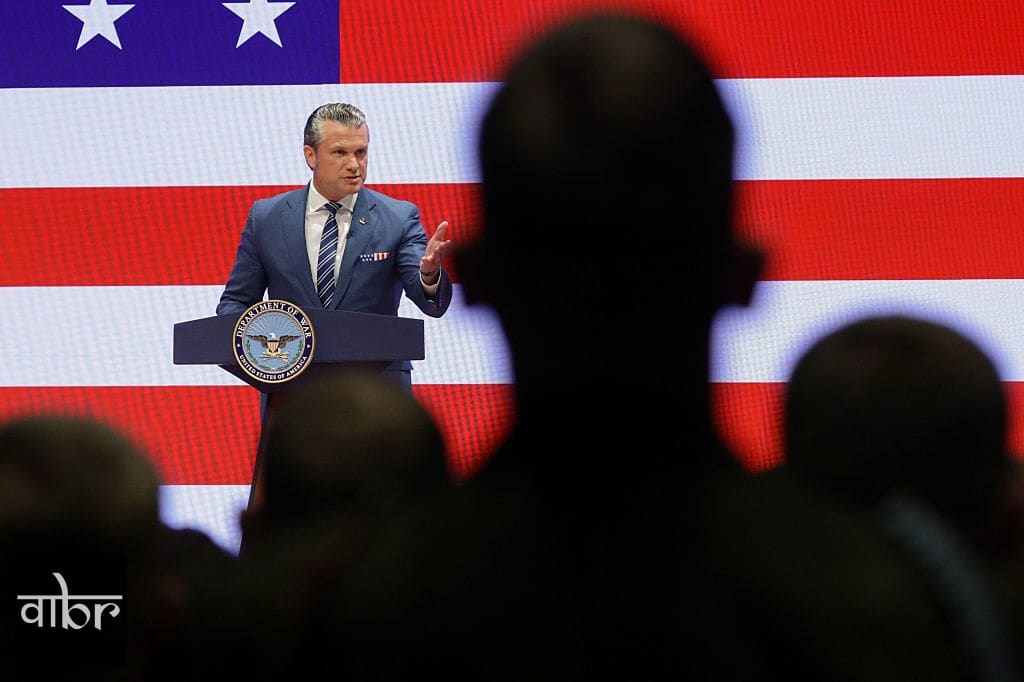
Pentagon Taps Elon Musk to Redefine Future Defense Strategy
In a sweeping move that bridges Silicon Valley entrepreneurialism with the upper echelons of national defense, the United States Department of Defense has officially set its sights on a paradigm shift. Defense Secretary Pete Hegseth has recently launched an intensive, 120-day strategic study explicitly designed to overhaul how the military approaches the future of warfare. Leading this high-stakes technological and tactical exploration are some of the most prominent, and controversial, figures in modern technology: Elon Musk, defense contractor visionary Palmer Luckey, and veteran political strategist Newt Gingrich. This high-profile appointment places Elon Musk at the very center of American military planning, a development that promises to accelerate the integration of commercial-off-the-shelf technology into traditional armed forces operations while simultaneously igniting fierce debates over conflicts of interest and regulatory oversight.
Deep Dive: Full Event Breakdown
The announcement by Pete Hegseth marks a dramatic acceleration in how the Pentagon intends to source its tactical philosophy. For decades, the Department of Defense has relied heavily on legacy prime contractors, slow-moving bureaucratic procurement channels, and multi-year research and development cycles. However, the rapid evolution of global conflicts, marked heavily by low-cost asymmetric hardware, electronic warfare, and software-driven battlefields, has exposed the vulnerabilities of traditional military modernization. By bringing in Elon Musk, the administration is signaling a deliberate departure from the status quo. Elon Musk brings decades of manufacturing scaling experience through SpaceX and Tesla, alongside the orbital communication capabilities of Starlink, which has already proven vital in modern combat zones. Alongside Elon Musk, Palmer Luckey—the founder of defense tech unicorn Anduril Industries—brings frontline experience in artificial intelligence, autonomous systems, and edge computing. Newt Gingrich completes the triumvirate, providing historical context, geopolitical framing, and legislative foresight. Together, this panel is tasked with charting a radical 120-day course that will dictate what the military should purchase, build, and prioritize in the coming decades, deeply influencing the future of warfare across every branch of the armed services.
Industry Impact & Strategic Implications
The immediate reverberations of this 120-day initiative are being felt across the defense industrial base, from traditional defense primes to nimble venture-backed startups. For years, critics and insiders alike have pointed out that legacy acquisition pipelines are structurally incapable of matching the speed of modern technological iteration. With Elon Musk advising the Pentagon, the emphasis is expected to pivot heavily toward reusable rocketry, secure satellite constellations, mass-producible autonomous systems, and advanced artificial intelligence. Yet, the strategic implications of appointing Elon Musk and Palmer Luckey to a panel determining military strategy are fraught with ethical complexities. Both tech leaders helm corporations that actively design, manufacture, and sell the exact categories of hardware and software that the resulting study is almost guaranteed to recommend. Critics argue that this dynamic creates an unavoidable conflict of interest, where Elon Musk could potentially steer Department of Defense funding and strategic directives toward companies he owns or closely partners with. Conversely, proponents argue that desperate times call for drastic measures, and who better to advise on the future of warfare than the very technologists who are currently building the bleeding-edge platforms redefining modern engineering and connectivity?
Technical / Market Analysis
To understand the gravity of the Pentagon's new initiative, one must analyze the shifting paradigm of global defense economics. The historical model of building ultra-expensive, highly specialized, low-volume military hardware is rapidly giving way to mass-produced, software-defined systems. Elon Musk has repeatedly emphasized that manufacturing scale and rapid iteration cycles are vastly superior to perfection achieved over decades of delays. When evaluating the future of warfare, the focus shifts to resilient mesh networks, autonomous drone swarms, and advanced counter-measure systems. Palmer Luckey's work at Anduril mirrors this philosophy, utilizing edge AI and sensor fusion to create autonomous defense frameworks that operate without constant human oversight. As Elon Musk collaborates with military planners, the market is already reacting: defense tech venture capital is surging, and traditional aerospace primes are scrambling to acquire software-first startups. The 120-day study is expected to heavily endorse defense procurement reform, recommending that the Pentagon bypass traditional bureaucratic hurdles to fast-track commercial innovations straight to the front lines. This shift will fundamentally alter global supply chains, pushing traditional defense contractors to adopt the agile engineering methodologies popularized by Elon Musk's corporate empire.
What This Means for Consumers and Developers
While defense strategy often feels distant from everyday civilian life, the convergence of commercial technology and military modernization spearheaded by Elon Musk has direct implications for everyday developers and consumers. Dual-use technologies—innovations initially developed for commercial applications but later weaponized or militarized—are becoming the norm. Developers working in artificial intelligence, robotics, aerospace, and secure communications will find themselves increasingly operating within an ecosystem influenced by Department of Defense priorities. Furthermore, as Elon Musk pushes for greater automation and resilient satellite networking, the infrastructure supporting global internet access, autonomous vehicles, and spatial computing will continue to evolve in tandem with military research. Consumers may observe faster rollout of robust satellite communication standards, alongside heightened scrutiny regarding data privacy, supply chain security, and the ethics of autonomous systems. The decisions made during this 120-day study by Elon Musk and his colleagues will inevitably shape the regulatory boundaries and technological trajectory of the tech sector for the next generation.
Key Takeaways (Detailed bullet points)
- High-Level Directive: Defense Secretary Pete Hegseth launched a 120-day strategic study led by Elon Musk, Palmer Luckey, and Newt Gingrich to fundamentally reshape the future of warfare.
- Leadership Dynamics: Elon Musk brings unprecedented scale in manufacturing and satellite communications, while Palmer Luckey provides expertise in autonomous defense hardware and edge AI.
- Conflict of Interest Concerns: Critics highlight that companies owned by Elon Musk and Palmer Luckey stand to directly benefit from the recommendations and procurement shifts outlined in the study.
- Bureaucratic Overhaul: The initiative aims to accelerate defense procurement reform, moving away from slow legacy contractors toward agile, commercial-off-the-shelf technologies.
- Technological Focus: The study is expected to heavily prioritize autonomous drone swarms, resilient satellite networks, and artificial intelligence integration across all military branches.
The Road Ahead (Forward-looking conclusion)
As the clock ticks down on the Pentagon's 120-day mandate, the eyes of the global technology and defense communities remain fixated on Washington. The integration of visionary entrepreneurs like Elon Musk into the core of military decision-making represents a fundamental turning point in how nations approach security and technological dominance in the twenty-first century. Whether this bold experiment succeeds in dismantling entrenched bureaucracy and preparing the armed forces for the realities of the future of warfare remains to be seen. However, one reality is indisputable: the traditional walls separating Silicon Valley from the Department of Defense have permanently crumbled. Under the guidance of Elon Musk and his fellow panelists, the United States military is embarking on a high-stakes journey of transformation that will permanently alter the global geopolitical landscape, redefine industry standards, and cement a new era of tech-driven defense innovation.
Strategic Industry Takeaways & Future Outlook
Furthermore, strategic integration surrounding future of warfare remains a crucial priority for stakeholders. Ensuring high performance across future of warfare is expected to deliver long-term competitive advantages.
Furthermore, strategic integration surrounding future of warfare remains a crucial priority for stakeholders. Ensuring high performance across future of warfare is expected to deliver long-term competitive advantages.
Furthermore, strategic integration surrounding future of warfare remains a crucial priority for stakeholders. Ensuring high performance across future of warfare is expected to deliver long-term competitive advantages.
Furthermore, strategic integration surrounding future of warfare remains a crucial priority for stakeholders. Ensuring high performance across future of warfare is expected to deliver long-term competitive advantages.
Furthermore, strategic integration surrounding future of warfare remains a crucial priority for stakeholders. Ensuring high performance across future of warfare is expected to deliver long-term competitive advantages.
Furthermore, strategic integration surrounding future of warfare remains a crucial priority for stakeholders. Ensuring high performance across future of warfare is expected to deliver long-term competitive advantages.
Key factors influencing this sector also include defense technology, each playing an essential role in ongoing development and implementation.
📌 Related Briefings & Stories
Varta Brief Editorial Desk
• Newsroom StaffDedicated to objective, deep, and fact-verified reporting across technology, science, world affairs, and modern markets.
Follow Varta Brief on Google
Add Varta Brief as a preferred source to see our verified stories and daily briefings in Google Top Stories and Discover.
Found this briefing insightful?
Share it with your colleagues and community.