PlayStation Patent Proposes Controller NFC Payments

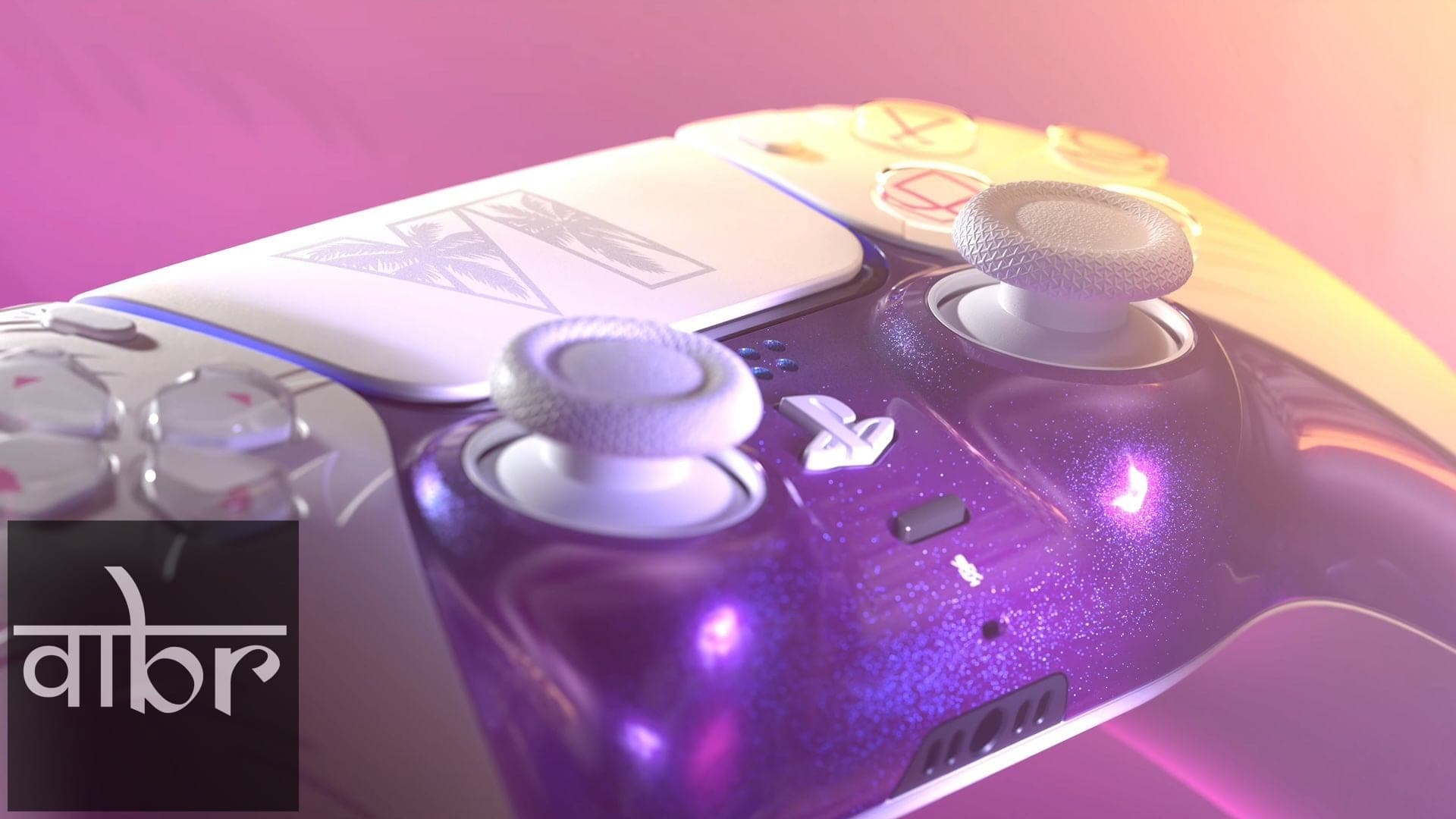
PlayStation has filed a brand new patent that could completely transform how users purchase digital goods on their gaming platforms. The concept introduces a mechanism where the iconic DualSense controller can read payment cards directly via near-field communication technology. As modern gaming consoles evolve to prioritize digital storefronts and downloadable content, companies continuously explore innovative hardware integrations. This filing highlights a potential shift in transaction methods, aiming to streamline everyday purchases for millions of active players worldwide. While patents do not always translate immediately into commercially available consumer hardware, they offer a fascinating glimpse into corporate research and development pipelines. Gamers and tech enthusiasts alike frequently monitor these intellectual property filings to anticipate future industry trends and hardware iterations.
The Mechanics of Controller-Based Payments
The newly surfaced patent outlines a system integrated directly into hardware that most players already own and use daily. By embedding near-field communication capabilities into the standard peripheral design, the manufacturer envisions a scenario where users can authorize digital transactions seamlessly. Instead of navigating complex on-screen menus, typing long credit card numbers with analog sticks, or linking external devices, players could simply tap a physical card against the peripheral. This hardware-level approach intends to reduce friction during checkouts, making digital purchases faster and more intuitive for casual and hardcore players alike. Although the patent document details the technical specifications of how the hardware reader would communicate with the console, it remains strictly a conceptual filing at this early stage.
Exploring the DualSense NFC Integration
The DualSense controller is already renowned for its advanced haptic feedback and adaptive triggers, setting a high standard for modern input devices. Adding near-field communication reader functionality represents an unexpected hardware expansion that goes beyond traditional gaming inputs. Integrating this technology means the device would require additional internal components capable of securely transmitting payment data to the main console unit. Security and encryption are paramount when dealing with financial transactions, and any future hardware iteration would need to meet rigorous industry standards. Players often express valid privacy and security concerns regarding financial data handling, making hardware-level encryption an essential topic for future implementation discussions.
Understanding Digital Storefront Evolution
Digital storefronts have largely replaced physical retail disks as the primary method of acquiring new games, expansions, and downloadable content. Simplifying payment processes has become a major focus for platform holders seeking to increase conversion rates and user convenience. When purchasing digital goods, minimizing the steps required to complete a transaction can significantly impact consumer behavior. Traditional digital checkouts often involve multiple authentication steps, password entries, or pre-saved account profiles that require manual verification. Introducing a physical tap-to-pay mechanism via a trusted peripheral could offer an alternative approach for users who prefer physical verification methods over traditional online account billing.
Analyzing the Patent Landscape
It is crucial to remember that major technology and entertainment corporations routinely file thousands of patents every single year. Many of these conceptual designs never leave the research and development phase or see actual manufacturing lines. Patent filings serve primarily to protect intellectual property and outline potential future directions rather than confirming an imminent product launch. Therefore, while this filing reveals interesting ambitions, it does not guarantee that upcoming controller revisions will actually feature built-in payment card readers. Industry observers must weigh the likelihood of production against manufacturing costs, market demand, and regulatory compliance across different global regions.
The filing demonstrates an ongoing interest in bridging the gap between physical convenience and digital storefront management, though real-world application remains subject to corporate strategy and hardware costs.
## Key Takeaways
- PlayStation has filed a patent for a controller payment system.
- The concept utilizes near-field communication technology inside the hardware.
- Users could potentially scan payment cards directly via the peripheral device.
- The technology targets the purchase of digital goods and storefront items.
- Patents represent conceptual research and do not confirm an official product release.
Future Implications for Gaming Hardware
As hardware design continues to mature, manufacturers constantly seek unique selling points to differentiate their ecosystems from competitors. Incorporating unconventional features into input devices has a long history, ranging from motion sensors and touchpads to integrated microphones and specialized audio jacks. Whether a transaction-focused hardware feature will resonate with the broader consumer base is a question only time and market research can answer. Consumers increasingly value seamless digital integration, but they also remain fiercely protective of their financial security and hardware pricing structures. Adding complex technology to standard peripherals inevitably impacts production costs, which must be carefully balanced against perceived consumer benefits.
Conclusion and What Comes Next
For now, the project exists solely within the realm of intellectual property documentation and corporate research paperwork. Stakeholders, investors, and consumers will have to wait for official announcements from corporate leadership to see if any version of this concept materializes in future hardware generations. Until then, standard digital purchasing methods remain the primary standard for all platform transactions. As the industry progresses toward more interconnected digital ecosystems, developers and engineers will undoubtedly keep exploring creative ways to streamline the user experience across every available touchpoint.
📌 Related Briefings & Stories
Arjav
• Newsroom StaffDedicated to objective, deep, and fact-verified reporting across technology, science, world affairs, and modern markets.
Follow Varta Brief on Google
Add Varta Brief as a preferred source to see our verified stories and daily briefings in Google Top Stories and Discover.
Found this briefing insightful?
Share it with your colleagues and community.