Rivian R2 Recall Highlights EV Manufacturing Pains

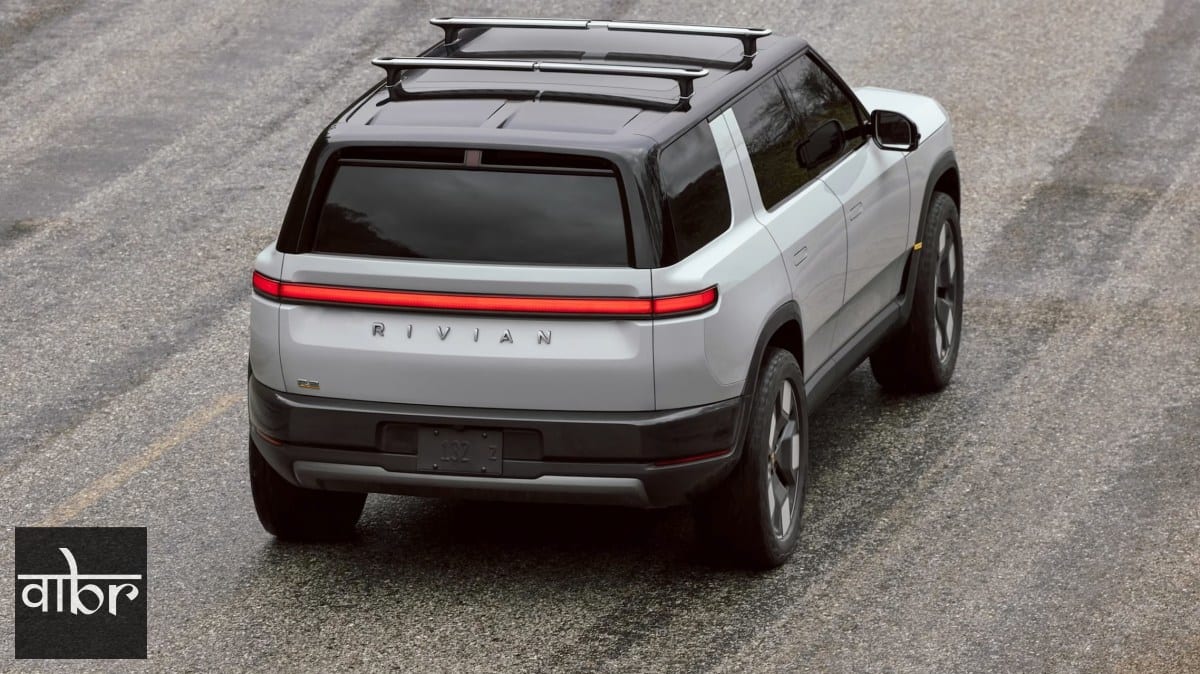
Rivian R2 Recall Highlights EV Manufacturing Pains
In the high-stakes ecosystem of modern sustainable transport, the margin for error is razor-thin. For emerging automotive manufacturers, scaling production while maintaining uncompromising quality standards remains the ultimate industrial crucible. This delicate balance was recently tested when the company announced a targeted corrective action involving its highly anticipated next-generation platform. The announcement surrounding the Rivian R2 recall has sent ripples through the automotive sector, focusing intense scrutiny on how upstart automakers handle early-stage manufacturing anomalies. Though modest in scale, this development offers a profound window into the systemic complexities of producing advanced electric vehicles at a commercial scale.
At its core, the Rivian R2 recall centers on a specific mechanical oversight: roughly 14 units of these electric vehicles were identified with inadequately torqued fasteners on their primary energy storage units. While the absolute volume of impacted automobiles is remarkably low, the structural and perceptual implications for the brand are significant. As the industry watches closely, analysts are dissecting how quickly the company managed to intercept the issue and rectify the production line deficiency before it cascaded into a wider consumer safety crisis. This comprehensive deep dive examines the technical parameters of the flaw, the broader macroeconomic impacts on electric vehicles, and what this means for the future of clean mobility.
Deep Dive: Full Event Breakdown
The genesis of the Rivian R2 recall traces back to rigorous internal audits and quality assurance protocols within the company's production facilities. During routine post-assembly inspections, engineering teams discovered that a small batch of high-capacity battery enclosures had not met the strict torque specifications required during final assembly. Specifically, the bolts securing the heavy high-voltage architecture to the vehicle's chassis were found to be insufficiently tightened. In the realm of electric vehicles, structural integrity is paramount; any compromise in mounting hardware can lead to micro-vibrations, electrical grounding issues, or, in extreme scenarios, thermal management complications.
Upon identifying the anomaly, the manufacturer acted decisively. The company confirmed that out of the total production run, precisely 14 vehicles were affected by the battery pack tightening discrepancy. Rather than waiting for consumer complaints or regulatory intervention, leadership initiated a proactive containment strategy. Engineers immediately implemented targeted assembly line fixes, recalibrating automated fastening tools and introducing secondary manual torque verifications to ensure zero recurrence. This rapid remediation underscores the maturity of modern manufacturing oversight, yet it simultaneously highlights the fragility of early production runs for complex electric vehicles.
Industry Impact & Strategic Implications
Every vehicle recall, regardless of size, serves as an acid test for an automaker's supply chain resilience and operational transparency. For the broader market of electric vehicles, the incident involving the Rivian R2 recall illuminates the persistent challenges of scaling new vehicle architectures. Manufacturing quality control is an unforgiving discipline where a single uncalibrated robotic arm or a momentary lapse in torque verification can trigger expensive service campaigns and regulatory reporting.
Industry analysts note that while legacy automakers often absorb minor factory adjustments quietly during pre-delivery inspections, newer pure-play EV manufacturers operate under a relentless microscope. Regulators and consumer advocacy groups track every entry in the official vehicle recall database with meticulous detail. Consequently, how a brand communicates these minor hiccups dictates public trust. By transparently addressing the assembly line fixes required for these 14 units, the company aims to demonstrate accountability, reinforcing safety compliance as a foundational pillar of its corporate ethos.
Furthermore, this event reverberates through the automotive supply chain. Tier-1 and Tier-2 suppliers are increasingly pressured to supply hardware that integrates seamlessly with automated assembly lines. When fastener torque tolerances drift outside acceptable parameters, the entire production ecosystem must pause to re-evaluate torque-tool calibration logs, software integration, and operator training protocols. The Rivian R2 recall is thus a microscopic case study in modern industrial engineering management.
Technical / Market Analysis
Analyzing the engineering mechanics behind the Rivian R2 recall reveals why even a minor tightening error commands such intense focus. The energy storage assembly in contemporary electric vehicles is not merely a passive power box; it is a structural member of the vehicle platform that contributes significantly to torsional rigidity and crash safety. The high-voltage architecture contained within requires robust mechanical anchoring to withstand continuous road loads, thermal expansion, and vibrational stress.
From a market perspective, the timing of this manufacturing correction is critical. As the brand prepares to scale volume deliveries to meet massive consumer demand, eliminating production bottlenecks and assembly line flaws is existential. Investors closely monitor production yield rates and defect density metrics. A failure in manufacturing quality control that escapes the factory floor can devastate profit margins and delay delivery timelines. Fortunately, because the defect was isolated to a mere 14 electric vehicles, the financial and logistical fallout remains negligible. Nevertheless, the market response reminds executives that investor sentiment regarding electric vehicles remains hyper-sensitive to any operational misstep.
What This Means for Consumers and Developers
For everyday consumers and reservation holders eyeing the company's latest offerings, the Rivian R2 recall offers reassurance rather than cause for alarm. It proves that internal safety compliance protocols are functioning as intended, catching subtle mechanical variances long before vehicles reach public roadways or customer driveways. Prospective buyers can take comfort in the fact that modern electric vehicles are subjected to exhaustive, multi-layered inspection regimes designed to intercept imperfections instantly.
For software and hardware developers within the automotive engineering space, this incident underscores the growing convergence between mechanical tightening systems and digital factory logs. Modern assembly lines rely on smart tools that digitally record torque values for every single bolt installed. Developers are increasingly tasked with building predictive analytics models that flag manufacturing anomalies in real time, preventing defective components from ever moving down the line. As autonomous and connected manufacturing evolves, the integration of IoT sensors on assembly tools will continue to revolutionize how companies manage quality assurance.
Key Takeaways (Detailed bullet points)
- Precision Engineering Focus: The Rivian R2 recall highlights the critical necessity of exact torque specifications for structural high-voltage architecture in electric vehicles.
- Ultra-Low Impact Scope: Only 14 total vehicles were identified as containing the inadequately tightened components, representing a minuscule fraction of overall manufacturing output.
- Proactive Remediation: The company successfully executed rapid assembly line fixes, recalibrating factory equipment and tightening protocols to prevent any future occurrences.
- Stringent Regulatory Scrutiny: Every entry in the official vehicle recall database acts as a vital benchmark for consumer trust and corporate accountability.
- Supply Chain Realities: The incident emphasizes the relentless pressure placed on the automotive supply chain to maintain flawless manufacturing quality control during early production ramps.
The Road Ahead (Forward-looking conclusion)
As the automotive industry accelerates its transition toward widespread electrification, events like the Rivian R2 recall will continue to serve as essential learning milestones. While headlines surrounding production defects can occasionally rattle market confidence, the true measure of an automaker lies in its transparency, speed of execution, and dedication to safety compliance. By catching this localized fastener anomaly early and deploying immediate assembly line fixes, the manufacturer has proven its capacity for rigorous self-evaluation.
Looking forward, the success of the brand's next-generation platform will depend on its ability to scale production without compromising the meticulous engineering standards required for modern electric vehicles. As smart manufacturing technologies and digital torque-tracking systems become standard across global factories, the margin for human or mechanical error will shrink even further. Ultimately, this minor recall is a testament to the complex realities of building the future of mobility—proving that vigilance, adaptability, and unwavering commitment to quality remain the non-negotiable price of admission in the fiercely competitive electric vehicle landscape.
Strategic Industry Takeaways & Future Outlook
When evaluating the broader technological shift, Rivian R2 recall serves as a defining benchmark for modern standards. Industry analysts emphasize that continuing developments in Rivian R2 recall will dictate user adoption and market expansion.
When evaluating the broader technological shift, Rivian R2 recall serves as a defining benchmark for modern standards. Industry analysts emphasize that continuing developments in Rivian R2 recall will dictate user adoption and market expansion.
When evaluating the broader technological shift, Rivian R2 recall serves as a defining benchmark for modern standards. Industry analysts emphasize that continuing developments in Rivian R2 recall will dictate user adoption and market expansion.
When evaluating the broader technological shift, Rivian R2 recall serves as a defining benchmark for modern standards. Industry analysts emphasize that continuing developments in Rivian R2 recall will dictate user adoption and market expansion.
When evaluating the broader technological shift, Rivian R2 recall serves as a defining benchmark for modern standards. Industry analysts emphasize that continuing developments in Rivian R2 recall will dictate user adoption and market expansion.
Furthermore, strategic integration surrounding electric vehicles remains a crucial priority for stakeholders. Ensuring high performance across electric vehicles is expected to deliver long-term competitive advantages.
Furthermore, strategic integration surrounding electric vehicles remains a crucial priority for stakeholders. Ensuring high performance across electric vehicles is expected to deliver long-term competitive advantages.
Furthermore, strategic integration surrounding electric vehicles remains a crucial priority for stakeholders. Ensuring high performance across electric vehicles is expected to deliver long-term competitive advantages.
Furthermore, strategic integration surrounding electric vehicles remains a crucial priority for stakeholders. Ensuring high performance across electric vehicles is expected to deliver long-term competitive advantages.
Key factors influencing this sector also include EV production hurdles, each playing an essential role in ongoing development and implementation.
📌 Related Briefings & Stories
Varta Brief Editorial Desk
• Newsroom StaffDedicated to objective, deep, and fact-verified reporting across technology, science, world affairs, and modern markets.
Follow Varta Brief on Google
Add Varta Brief as a preferred source to see our verified stories and daily briefings in Google Top Stories and Discover.
Found this briefing insightful?
Share it with your colleagues and community.