Serve Robotics Launches Physical AI Services as the AWS for Robots

Serve Robotics Launches Physical AI Services as the AWS for Robots
In a landmark strategic pivot that could completely redefine the landscape of autonomous machinery, Serve Robotics has officially announced the creation of a brand-new business line. Revealed concurrently with its financial performance update during its third-quarter earnings report, this new venture is designed to provide third-party clients with cutting-edge connectivity and data tools. By packaging its proprietary technology stack, Serve Robotics aims to establish itself firmly as the definitive AWS for robots across global industrial and urban markets.
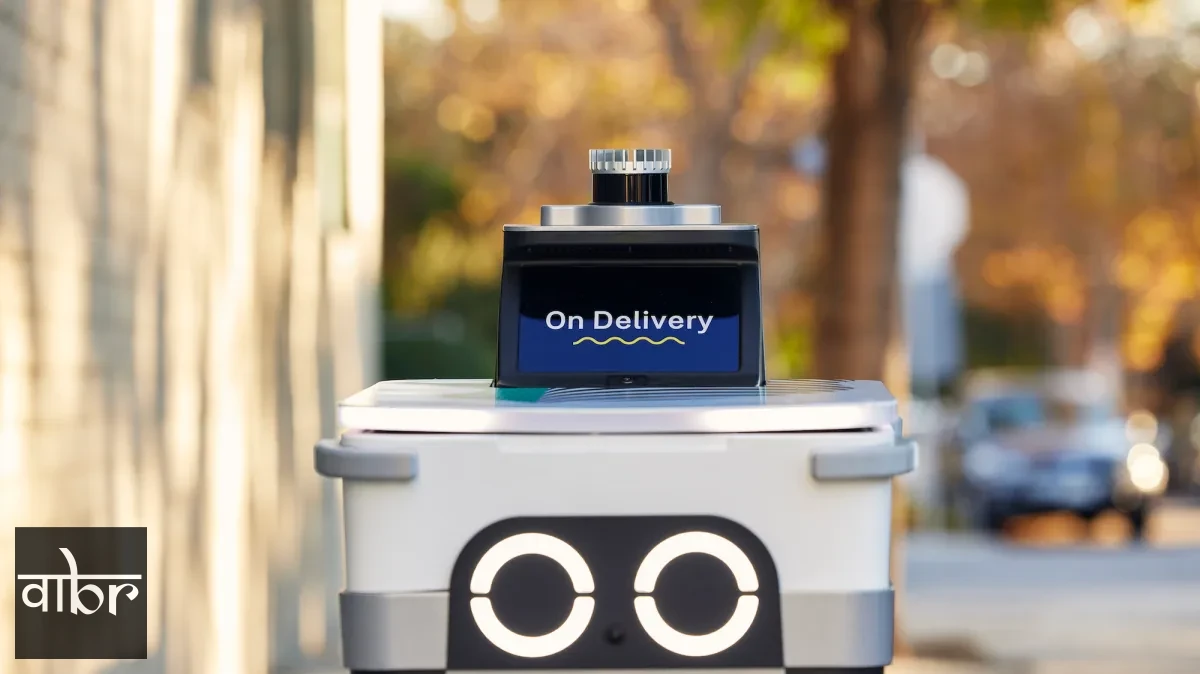
For years, Serve Robotics has been celebrated as a pioneer in sidewalk autonomous delivery. However, the leadership team at Serve Robotics realized that the underlying software, telemetry, and fleet management systems powering their own sidewalk rovers possess massive commercial potential beyond food delivery. With the rollout of Physical AI Services, third-party operators can now tap into the very same robust infrastructure that has allowed Serve Robotics to scale its urban operations efficiently. This comprehensive architectural shift is set to democratize advanced autonomy for smaller firms, lowering barriers to entry across the entire robotics ecosystem.
Deep Dive: Full Event Breakdown
The blockbuster announcement came during the recent corporate earnings call, catching many industry analysts by surprise. While financial metrics naturally dominated parts of the discussion, the spotlight quickly shifted to the long-term vision of Serve Robotics and its new division, Physical AI Services. Executives outlined a detailed roadmap explaining how the company intends to transition from a pure-play delivery operator into a multifaceted technology platform provider.
At its core, Physical AI Services is engineered to solve the most difficult bottlenecks in autonomous deployment. Building a fleet of autonomous machines requires immense capital expenditure, sophisticated neural networks, and reliable connectivity. Serve Robotics is stepping in to bridge this gap. By offering its battle-tested connectivity and data tools as a service, Serve Robotics allows external hardware manufacturers to plug directly into an enterprise-grade cloud ecosystem. Whether a client is building warehouse automation systems, agricultural drones, or security units, the tools provided by Serve Robotics promise to accelerate time-to-market dramatically.
Industry Impact & Strategic Implications
The implications of Serve Robotics entering the cloud infrastructure and platform-as-a-service market are profound. Historically, the robotics industry has suffered from fragmentation. Every hardware manufacturer has been forced to build its own navigation stacks, remote monitoring interfaces, and data ingestion pipelines from scratch. By introducing Physical AI Services, Serve Robotics is attempting to unify these disparate workflows under a single, cohesive banner akin to what Amazon Web Services did for cloud computing two decades ago.
Industry insiders have already begun drawing parallels between this move and historical tech monopolies. If Serve Robotics successfully positions Physical AI Services as the go-to standard for machine intelligence, it could capture a massive share of the ancillary software market. Competitors and collaborators alike will be watching closely to see how proprietary data is handled and whether Serve Robotics can maintain neutrality while simultaneously operating its own delivery fleet.
Technical / Market Analysis
From a technical standpoint, scaling autonomous systems requires processing petabytes of edge-computed data in near real-time. Serve Robotics has spent years refining its machine learning models to navigate cluttered pedestrian pathways safely. Through Physical AI Services, these capabilities are being abstracted into modular APIs and developer SDKs.
Market analysts note that the timing of this announcement during the third-quarter earnings report is deliberate. As investors increasingly demand clear paths to profitability and diversified revenue streams, relying solely on operational delivery margins can be limiting. By monetizing its software stack, Serve Robotics creates a high-margin SaaS revenue model that complements its hardware footprint. The demand for scalable automation solutions is skyrocketing across retail, logistics, and hospitality, making the timing exceptionally favorable for Serve Robotics to capture enterprise dollars.
What This Means for Consumers and Developers
For software developers and hardware engineers, the availability of Physical AI Services represents a massive productivity multiplier. Instead of reinventing complex obstacle-avoidance algorithms or telemetry protocols, developers can leverage the battle-tested infrastructure built by Serve Robotics. This means faster development cycles, reduced engineering overhead, and more reliable autonomous machines hitting the market.
For consumers, the downstream effects will manifest as smarter, safer, and more ubiquitous autonomous services. As more companies utilize the tools provided by Serve Robotics, the overall standard of machine reliability and safety will rise. Whether it is a delivery drone, a hospital transport cart, or an industrial floor scrubber, the foundational intelligence running these devices will benefit directly from the ecosystem fostered by Serve Robotics.
Key Takeaways
- Strategic Pivot: Serve Robotics has officially launched Physical AI Services to diversify its revenue beyond traditional delivery operations.
- The AWS for Robots Vision: The new business line aims to provide third-party hardware developers with essential connectivity and data tools.
- Earnings Reveal: The major strategic update was unveiled alongside the company's third-quarter earnings report, signaling a strong forward-looking vision.
- Developer Empowerment: By opening its tech stack, Serve Robotics enables faster deployment and lower development costs for autonomous machine creators.
- Market Growth: The move positions Serve Robotics to capture lucrative, high-margin software-as-a-service revenue in a booming automation market.
The Road Ahead
As Serve Robotics rolls out Physical AI Services over the coming quarters, the tech and robotics communities will be tracking adoption rates and enterprise partnerships carefully. The ambition to become the undisputed infrastructure layer for intelligent machines is bold, and the challenges of scaling a dual-pronged business model are non-trivial. However, if Serve Robotics executes its vision effectively, it will permanently alter how autonomous machines are built, managed, and scaled worldwide, cementing its legacy far beyond the sidewalk delivery market.
Strategic Industry Takeaways & Future Outlook
Furthermore, strategic integration surrounding Physical AI Services remains a crucial priority for stakeholders. Ensuring high performance across Physical AI Services is expected to deliver long-term competitive advantages.
Furthermore, strategic integration surrounding Physical AI Services remains a crucial priority for stakeholders. Ensuring high performance across Physical AI Services is expected to deliver long-term competitive advantages.
Key factors influencing this sector also include robot cloud infrastructure, robotics software, data connectivity tools, artificial intelligence, each playing an essential role in ongoing development and implementation.
📌 Related Briefings & Stories
Varta Brief Editorial Desk
• Newsroom StaffDedicated to objective, deep, and fact-verified reporting across technology, science, world affairs, and modern markets.
Follow Varta Brief on Google
Add Varta Brief as a preferred source to see our verified stories and daily briefings in Google Top Stories and Discover.
Found this briefing insightful?
Share it with your colleagues and community.