California Governor Vetoes Smart Glasses Surveillance Ban

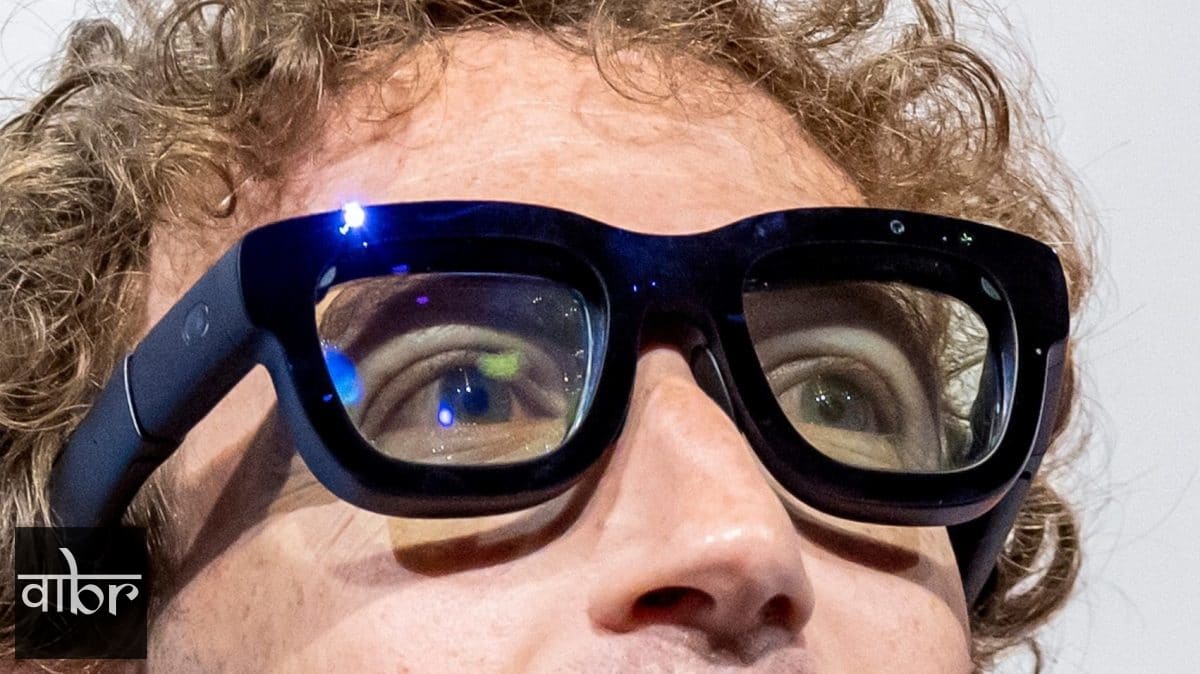
The intersection of consumer electronics, personal autonomy, and privacy legislation has reached a dramatic boiling point. In a move that has sent shockwaves through both Silicon Valley and civil liberties organizations, the California state government has officially rejected a landmark bill designed to crack down on unauthorized filming using connected wearables. The core issue centers directly around smart glasses surveillance, a rapidly growing segment of the consumer electronics market that blends everyday eyewear with high-resolution recording capabilities. As smart glasses surveillance becomes increasingly sophisticated, the legal frameworks governing public spaces are struggling to keep pace.
For months, lawmakers, privacy advocates, and industry lobbyists have locked horns over the implications of pervasive, heads-up recording devices. Proponents of the legislation argued that stringent action was vital to protect unsuspecting citizens from invasive data harvesting while walking down public streets. Conversely, opponents highlighted deep constitutional hurdles and enforcement nightmares associated with limiting public recording rights. By striking down the bill, the governor has effectively left a massive regulatory vacuum, forcing consumers, developers, and legislators back to the drawing board in an era where wearable tech privacy is under constant siege.
Deep Dive: Full Event Breakdown
The genesis of this legislative battle can be traced back to the explosive market adoption of AI-enabled wearables, smart frames, and connected spectacles equipped with discreet lenses and ambient microphones. As manufacturers race to dominate the augmented reality landscape, the physical boundary between a pair of ordinary glasses and advanced surveillance gear has blurred almost entirely. The vetoed California legislation aimed squarely at this grey area, attempting to penalize individuals who engaged in smart glasses surveillance for malicious, voyeuristic, or harassing purposes without explicit consent.
Critics of the bill, however, pointed out fatal flaws in its drafting. The legislation struggled to differentiate between innocent daily vlogging, journalistic reporting, and malicious recording. Legal experts argued that implementing penalties for smart glasses surveillance would inadvertently criminalize standard citizens, content creators, and journalists performing protected speech activities in public spaces. The debate intensified when tech trade associations argued that existing wiretapping and voyeurism laws were already sufficient, rendering targeted smart glasses surveillance bills redundant or overly broad.
Furthermore, civil liberties groups expressed profound unease. While organizations like the ACLU heavily support wearable tech privacy, many constitutional watchdogs feared that a poorly written statute regarding smart glasses surveillance could easily be weaponized against peaceful protestors and bystanders recording law enforcement officers. Protecting public recording rights remains a cornerstone of American jurisprudence, creating a monumental legislative paradox when applied to modern smart glasses surveillance tools.
Industry Impact & Strategic Implications
For major tech conglomerates, wearable manufacturers, and software developers, the governor's veto is viewed as a significant, albeit temporary, sigh of relief. The commercialization of smart glasses surveillance gear relies heavily on user comfort, unobtrusive design, and seamless daily integration. If California had enacted strict criminal penalties, it would have set a devastating national precedent, prompting a domino effect of copycat legislation across other U.S. states. Such fragmented regulations would have severely hobbled research and development in smart glasses surveillance technology.
Nevertheless, the reprieve does not mean the industry is entirely in the clear. Public backlash against smart glasses surveillance is growing exponentially. Incidents involving intrusive recordings in coffee shops, public transit, and gyms have fueled public resentment toward hidden cameras integrated into consumer tech. Companies specializing in wearable tech privacy are now finding lucrative niches in manufacturing privacy shields, indicator lights, and software blockers. The tech industry must recognize that smart glasses surveillance cannot thrive without social license; ignoring public concerns regarding wearable tech privacy risks triggering consumer boycotts far more damaging than any government mandate.
Technical / Market Analysis
The technological trajectory of modern optics makes smart glasses surveillance an extraordinarily complex engineering challenge to regulate. Modern smart frames incorporate ultra-thin micro-cameras capable of capturing pristine 4K video while looking virtually indistinguishable from standard fashion eyewear. Advanced image sensors, low-power microprocessors, and sophisticated machine learning algorithms allow these devices to record for hours without drawing noticeable attention. When evaluating smart glasses surveillance systems, traditional indicators like blinking recording lights are easily masked, defeated, or disabled via software modifications.
Market analysts project that the augmented reality and smart eyewear sector will experience exponential compound annual growth over the next decade. As hardware costs plummet and AI integration deepens, smart glasses surveillance capabilities will only become more ubiquitous. This commercial reality directly clashes with traditional expectations of public recording rights. While citizens have historically enjoyed a broad expectation of being recorded in public environments by security cameras and smartphones, the intimate, eye-level, and continuous nature of smart glasses surveillance introduces psychological and social stressors that traditional photography never approached.
What This Means for Consumers and Developers
For the everyday consumer, the failure of this legislation means navigating public spaces with heightened vigilance. As smart glasses surveillance becomes normalized, individuals must accept that anyone within their vicinity could potentially be streaming, recording, or feeding their likeness into facial recognition databases. This erosion of passive anonymity places the onus directly on the public to protect their own personal boundaries. Consumer advocacy groups are urging heightened education regarding wearable tech privacy so that citizens can spot potential smart glasses surveillance devices in sensitive environments.
For software and hardware developers, the mandate moving forward must be built on proactive transparency rather than reactive litigation. Manufacturers who embrace ethical design principles—such as un-maskable, ultra-bright LED indicators that activate whenever a camera is rolling—will build long-term trust. Ignoring the ethical dilemmas surrounding smart glasses surveillance will only invite harsher, more aggressive legislation down the line. Developers must collaborate with policy experts to forge technical standards that balance public recording rights with fundamental human decency.
Key Takeaways (Detailed bullet points)
- Legislative Rejection: The California governor vetoed a high-profile bill targeting unauthorized recording via wearable tech, preserving existing legal boundaries around public recording rights.
- The Core Conflict: The debate exposed the fragile balance between encouraging technological innovation in smart glasses surveillance and safeguarding everyday consumer privacy.
- Constitutional Hurdles: Critics successfully argued that broad regulations on smart glasses surveillance could inadvertently infringe upon constitutional protections for journalists, vloggers, and activists.
- Market Repercussions: Major tech hardware manufacturers avoid a costly, fragmented regulatory landscape across different states, allowing continued research into smart glasses surveillance tech.
- Social License Issues: Despite the legal victory, public trust in wearable tech privacy is deeply strained, requiring companies to adopt voluntary transparency measures to prevent severe backlash.
The Road Ahead (Forward-looking conclusion)
The veto of California's anti-recording bill is by no means the final chapter in the ongoing saga surrounding smart glasses surveillance. As augmented reality matures and ambient computing permeates every aspect of daily life, society must grapple with the philosophical and legal implications of continuous recording. Lawmakers will inevitably return to the legislative drafting table, armed with clearer definitions and more precisely targeted proposals to curb abusive surveillance without trampling upon essential public recording rights.
Ultimately, the future of wearable tech privacy will depend on a delicate tripartite negotiation between hardware manufacturers, legislative bodies, and an increasingly wary public. If the tech industry wishes to avoid future regulatory crackdowns, it must proactively champion transparent design standards that mitigate the privacy risks of smart glasses surveillance. Until then, the onus remains on both lawmakers and citizens to continuously redefine the boundaries of privacy in an increasingly connected, transparent, and digitally monitored world.
Strategic Industry Takeaways & Future Outlook
Furthermore, strategic integration surrounding public recording rights remains a crucial priority for stakeholders. Ensuring high performance across public recording rights is expected to deliver long-term competitive advantages.
Furthermore, strategic integration surrounding public recording rights remains a crucial priority for stakeholders. Ensuring high performance across public recording rights is expected to deliver long-term competitive advantages.
Furthermore, strategic integration surrounding public recording rights remains a crucial priority for stakeholders. Ensuring high performance across public recording rights is expected to deliver long-term competitive advantages.
Furthermore, strategic integration surrounding public recording rights remains a crucial priority for stakeholders. Ensuring high performance across public recording rights is expected to deliver long-term competitive advantages.
Furthermore, strategic integration surrounding public recording rights remains a crucial priority for stakeholders. Ensuring high performance across public recording rights is expected to deliver long-term competitive advantages.
Furthermore, strategic integration surrounding public recording rights remains a crucial priority for stakeholders. Ensuring high performance across public recording rights is expected to deliver long-term competitive advantages.
Furthermore, strategic integration surrounding public recording rights remains a crucial priority for stakeholders. Ensuring high performance across public recording rights is expected to deliver long-term competitive advantages.
Key factors influencing this sector also include California bill veto, tech regulation, each playing an essential role in ongoing development and implementation.
📌 Related Briefings & Stories
Varta Brief Editorial Desk
• Newsroom StaffDedicated to objective, deep, and fact-verified reporting across technology, science, world affairs, and modern markets.
Follow Varta Brief on Google
Add Varta Brief as a preferred source to see our verified stories and daily briefings in Google Top Stories and Discover.
Found this briefing insightful?
Share it with your colleagues and community.