Snap Specs Launch This Fall: Premium Augmented Reality Wearables

Snap Specs Launch This Fall: Premium Augmented Reality Wearables
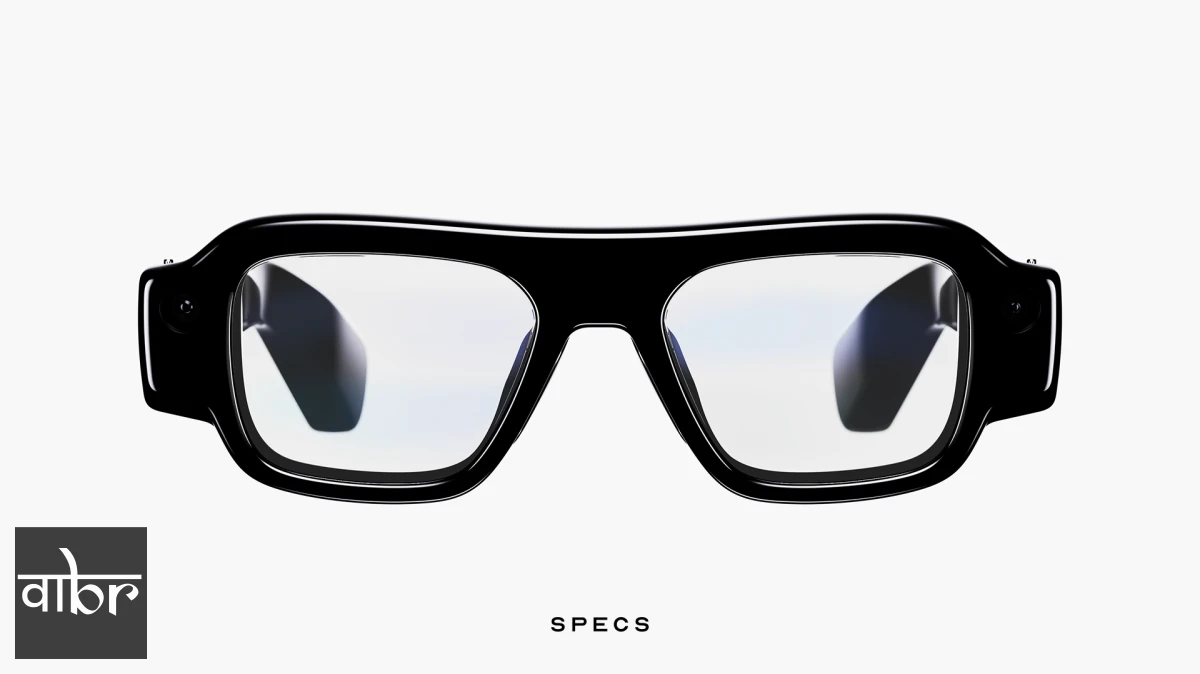
For nearly a decade, the journey of building consumer-ready smart eyewear has been fraught with bulky prototypes, underwhelming battery lives, and astronomical price tags. As we approach the official market release this fall, Snap Specs are once again dominating industry headlines. While critics and early reviewers immediately point out that Snap Specs remain extraordinarily expensive for the average consumer, a closer examination reveals that Snap Specs have achieved a monumental breakthrough in physical design and structural balance. The newest generation of Snap Specs represents a massive leap forward in ergonomic comfort, transforming what was once a fatiguing face-computer into a legitimately wearable piece of daily fashion. In this comprehensive deep dive, we will explore the technological evolution of Snap Specs, analyze the broader market implications for spatial computing hardware, and evaluate whether these high-priced glasses can finally bridge the gap between niche developer toys and mainstream augmented reality adoption.
Deep Dive: Full Event Breakdown
The path to bringing Snap Specs to market has been a masterclass in persistent engineering iteration. Since the earliest iterations of Spectacles, which were largely focused on recording short video clips for social media, the underlying hardware vision has expanded exponentially. Today, the latest evolution of Snap Specs incorporates advanced optical waveguide displays, high-density micro-projectors, and robust spatial tracking sensors directly into a frame profile that closely mirrors traditional designer eyewear.
During recent hands-on preview events, industry analysts noted that while the cost barrier remains a significant talking point, the physical wearability of Snap Specs has dramatically improved. Past hardware models often suffered from heavy front-loading, causing nose-bridge fatigue and slippage during extended use. By redistributing internal battery cells across the temple tips and utilizing lightweight, aerospace-grade composite materials, engineers behind Snap Specs managed to optimize weight distribution significantly. This obsession with physical comfort ensures that users can wear Snap Specs for hours without experiencing the classic discomfort associated with early-generation spatial computing hardware.
Industry Impact & Strategic Implications
The official commercial rollout of Snap Specs arrives at a critical juncture for the consumer technology landscape. As major technology conglomerates vie for dominance in the spatial computing sector, companies are realizing that sleek aesthetics are just as important as raw processing power. The introduction of Snap Specs pushes competitors to re-evaluate their design philosophies, forcing a shift away from blocky, industrial headsets toward lightweight, socially acceptable form factors.
Furthermore, the pricing model of Snap Specs highlights a persistent challenge within the industry: high-end hardware components simply cost a fortune to manufacture at scale. By positioning Snap Specs as a premium luxury item rather than an impulse gadget, the company is targeting early adopters, enterprise developers, and affluent tech enthusiasts who are willing to pay top dollar for cutting-edge innovation. This strategy establishes a clear baseline for how future augmented reality products will be marketed, emphasizing high-end craftsmanship alongside digital capability.
Technical / Market Analysis
Analyzing the market viability of Snap Specs requires dissecting the delicate balance between price, performance, and user adoption. Industry data tracking consumer tech trends suggests a growing appetite for ambient computing devices that reduce smartphone screen time. However, high-cost barriers often restrict mass-market penetration during initial product cycles.
Despite the steep price tag, the technical architecture packed inside Snap Specs justifies a portion of the expenditure. The integration of custom silicon designed to handle low-latency rendering alongside advanced spatial computing tracking is an engineering feat. Competitors observing the launch of Snap Specs are closely monitoring user retention metrics, particularly whether the enhanced ergonomic comfort translates into daily habit formation. If users find Snap Specs comfortable enough to wear during their morning commutes, work hours, and social gatherings, the high price point may become an acceptable trade-off for productivity and entertainment value.
What This Means for Consumers and Developers
For the everyday consumer, the arrival of Snap Specs signals that true, everyday augmented reality is no longer science fiction—though it remains a luxury investment. Consumers must weigh the utility of contextual computing features against the substantial financial commitment required to purchase a pair.
Simultaneously, the expansion of the Snapchat developer ecosystem offers lucrative opportunities for creators and software engineers. Building immersive applications specifically tailored for the field of view offered by Snap Specs allows developers to pioneer new UX paradigms. As software toolkits mature, the applications running on Snap Specs will likely dictate the long-term success of the platform, shifting the narrative from hardware specs to software utility.
Key Takeaways (Detailed bullet points)
- Ergonomic Redesign: Snap Specs feature a newly optimized weight distribution system, drastically improving comfort over previous generations and preventing bridge-of-the-nose fatigue.
- Premium Pricing Strategy: While Snap Specs remain an expensive luxury investment, the cost reflects advanced optical components and sophisticated miniaturization.
- Advanced Optical Integration: The hardware incorporates cutting-edge waveguide technology, projecting crisp digital elements directly into the user's natural field of vision.
- Ecosystem Growth: The release bolsters the broader developer community, opening up fresh horizons for immersive application creation.
- Market Positioning: The device serves as a bellwether for consumer tech trends, proving that sleek aesthetics can coexist with complex spatial computing hardware.
The Road Ahead (Forward-looking conclusion)
As we look beyond the initial fall launch window, the ultimate legacy of Snap Specs will depend heavily on sustained consumer engagement and developer innovation. By successfully resolving major comfort hurdles, the engineering team has conquered half the battle of wearable computing. The remaining challenge lies in convincing the broader public that the utility of advanced augmented reality justifies a premium financial investment. As prices inevitably drop in future generations and component manufacturing costs stabilize, the foundational groundwork laid by Snap Specs today will undoubtedly pave the way for the ubiquitous adoption of smart eyewear tomorrow.
Strategic Industry Takeaways & Future Outlook
Furthermore, strategic integration surrounding augmented reality remains a crucial priority for stakeholders. Ensuring high performance across augmented reality is expected to deliver long-term competitive advantages.
Furthermore, strategic integration surrounding augmented reality remains a crucial priority for stakeholders. Ensuring high performance across augmented reality is expected to deliver long-term competitive advantages.
Furthermore, strategic integration surrounding augmented reality remains a crucial priority for stakeholders. Ensuring high performance across augmented reality is expected to deliver long-term competitive advantages.
Furthermore, strategic integration surrounding augmented reality remains a crucial priority for stakeholders. Ensuring high performance across augmented reality is expected to deliver long-term competitive advantages.
Furthermore, strategic integration surrounding augmented reality remains a crucial priority for stakeholders. Ensuring high performance across augmented reality is expected to deliver long-term competitive advantages.
Key factors influencing this sector also include premium smart glasses, hardware pricing strategy, each playing an essential role in ongoing development and implementation.
📌 Related Briefings & Stories
Varta Brief Editorial Desk
• Newsroom StaffDedicated to objective, deep, and fact-verified reporting across technology, science, world affairs, and modern markets.
Follow Varta Brief on Google
Add Varta Brief as a preferred source to see our verified stories and daily briefings in Google Top Stories and Discover.
Found this briefing insightful?
Share it with your colleagues and community.