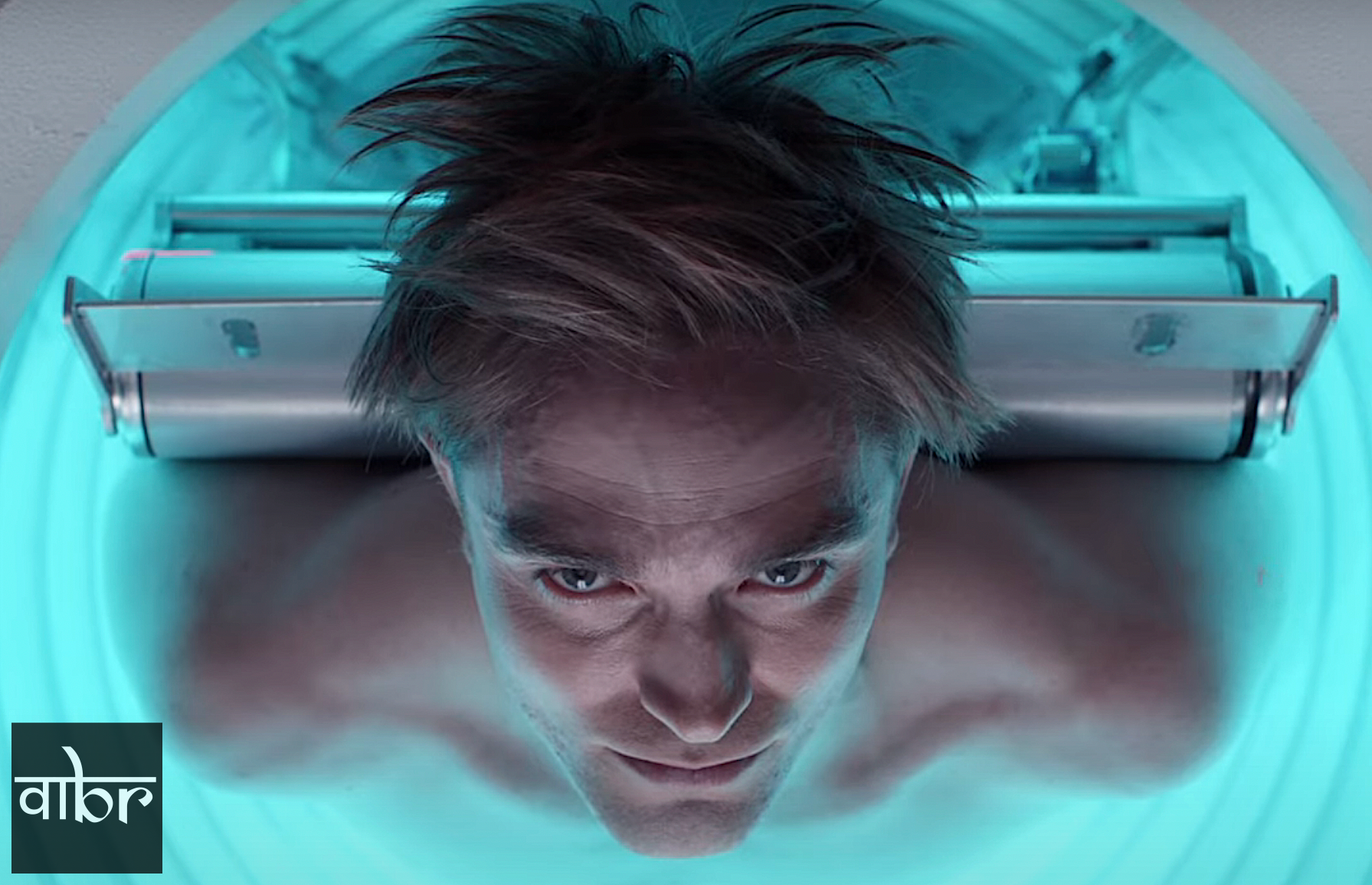
Star Wars Episode X Plays It Safe After Backlash

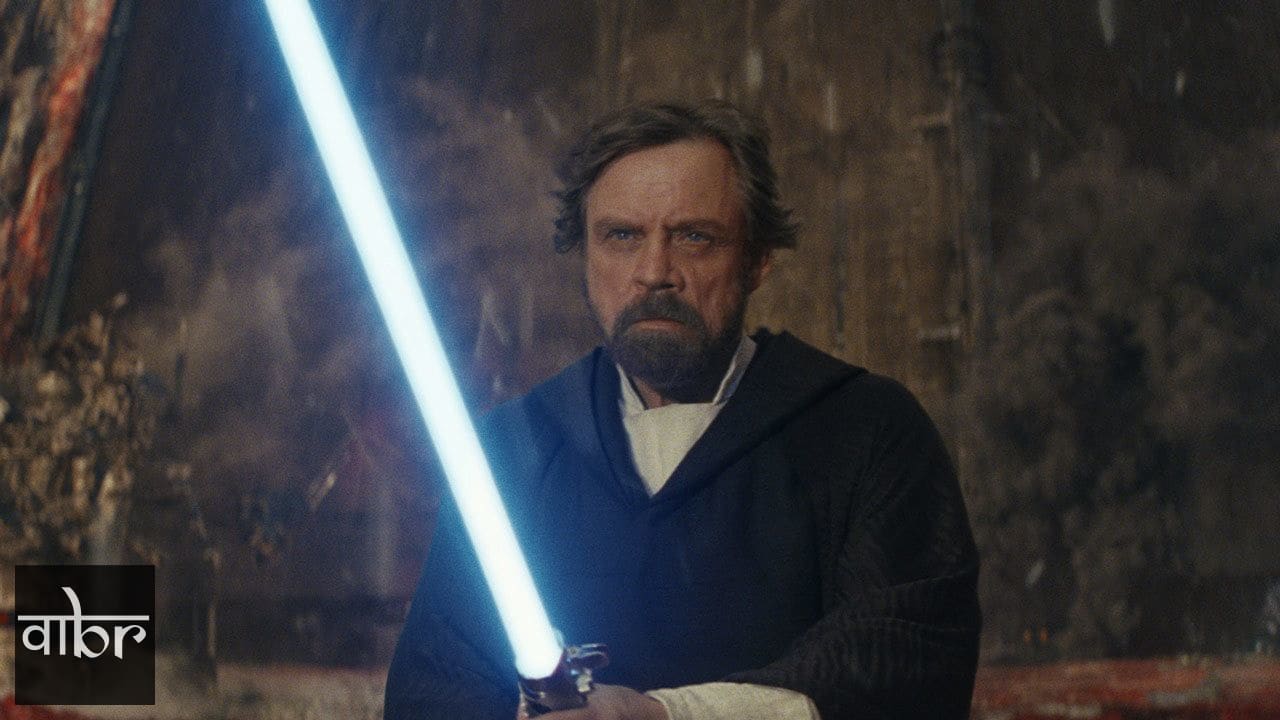
Back in 2017, the iconic Star Wars franchise attempted to subvert expectations with its narrative choices, but the project was ultimately met with intense backlash from portions of the fanbase. Given that historical reaction, many industry analysts and observers are now asking whether it is any wonder that upcoming projects like Episode X are playing it safe. When major studios invest heavily in long-running cinematic universes, audience reception heavily dictates future creative directions. The tension between creative risk-taking and satisfying a massive global audience remains one of the most challenging aspects of modern franchise management. The ongoing discourse surrounding these creative choices highlights how difficult it is to balance innovation with nostalgia in multi-decade storytelling. As discussions about the future of the galaxy far, far away continue to evolve, the lessons learned from past controversies are shaping every new development. Studios must carefully weigh the desires of vocal critics against the broader commercial imperatives of keeping a legendary property accessible to casual viewers everywhere.
The Legacy of Creative Risk in Modern Franchises
To understand the current cautious trajectory of the franchise, one must look back at how previous creative swings were received by the public. When filmmakers attempted to break away from established formulas, the resulting division among viewers created a lingering sense of caution among studio executives. This caution has directly influenced how upcoming installments are planned, structured, and executed by creative teams. Instead of leaning into unpredictable plot twists or radical character reinterpretations, current strategies appear to focus heavily on delivering familiar, crowd-pleasing elements that minimize controversy. For many longtime observers, this pivot towards a safer approach represents a direct reaction to the hostility that greeted earlier experimental storytelling choices. While some supporters argued that pushing boundaries was essential for keeping the universe vital, the intense negative feedback forced a reevaluation of studio priorities. Consequently, the development process for major cinematic entries now prioritizes stability and audience comfort above all else, ensuring that potential pitfalls are identified and neutralized long before cameras begin rolling on any new production.
Fan Culture and the Demand for Predictability
Modern fandoms are complex ecosystems characterized by passionate engagement, high expectations, and, at times, fierce resistance to change. When a studio attempts to challenge preconceived notions about beloved characters or long-standing lore, the reaction can be swift and overwhelming. This environment creates a challenging landscape for creators tasked with carrying forward a multi-generational legacy without alienating core supporters. The shift toward a safer narrative framework in upcoming cinematic chapters suggests that decision-makers are keen to avoid the turbulence that accompanied past releases. By aligning stories more closely with conventional expectations, studios hope to foster a more harmonious viewing experience that satisfies the majority of ticket buyers. However, this strategy also raises questions about whether prioritizing predictability might ultimately lead to creative stagnation over the long term. Balancing the need for commercial harmony with the spark of genuine artistic surprise remains an elusive goal for everyone involved in shaping these massive interstellar adventures.
Strategic Shifts in Franchise Management
Strategic planning within major entertainment conglomerates often reacts dynamically to public sentiment and box office trends. When a particular installment provokes widespread division, subsequent projects frequently undergo significant course corrections to address perceived missteps. This pattern of adaptation is clearly visible in the evolution of the overarching narrative strategy for the cinematic universe. Creators and executives are increasingly sensitive to the moods of their audience, adjusting their storytelling parameters to ensure broader consensus and stability. This pragmatic approach helps protect substantial financial investments while maintaining steady engagement from a broad demographic of moviegoers. Although some purists may lament the loss of daring narrative experiments, the pragmatic reality of blockbuster filmmaking often necessitates a return to tried-and-true formulas. The strategic pivot observed in recent announcements underscores a broader industry trend where mitigating risk takes precedence over narrative disruption in high-stakes intellectual property management.
Key Takeaways
- The franchise is adopting a more cautious approach following past creative controversies.
- Intense fan backlash has heavily influenced recent strategic planning for major cinematic releases.
- Studios are prioritizing narrative stability and broad appeal over radical storytelling experiments.
- The ongoing tension between innovation and nostalgia continues to shape the evolution of the galaxy far, far away.
- Future projects aim to minimize division among viewers by aligning more closely with established expectations.
Analysis of Current Industry Trends
The broader entertainment landscape frequently demonstrates that major franchises tend to become more conservative after experiencing significant audience pushback. When creative risks fail to achieve universal acclaim, the financial and reputational stakes encourage a swift return to conventional storytelling methods. This phenomenon is not unique to any single property, but it is particularly pronounced within legendary science-fiction universes where fan ownership and emotional investment run exceptionally deep.
The transition from experimental narrative risks to safe, crowd-pleasing strategies reflects a calculated response to historical audience reactions, highlighting the delicate balance between artistic ambition and commercial stability in modern blockbuster filmmaking.
As the industry continues to navigate these complex dynamics, the path forward for major cinematic releases will likely remain focused on delivering reliable entertainment that honors established traditions while avoiding unnecessary controversy. Whether this cautious methodology will satisfy the diverse segments of the fanbase remains to be seen, but the current trajectory is undeniably clear. Studios are choosing the path of least resistance to ensure long-term harmony and sustained commercial success across all upcoming media initiatives.
📌 Related Briefings & Stories
Arjav
• Newsroom StaffDedicated to objective, deep, and fact-verified reporting across technology, science, world affairs, and modern markets.
Follow Varta Brief on Google
Add Varta Brief as a preferred source to see our verified stories and daily briefings in Google Top Stories and Discover.
Found this briefing insightful?
Share it with your colleagues and community.