Theranos Whistleblower Warns AI Bubble Mirrors Silicon Valley Fraud

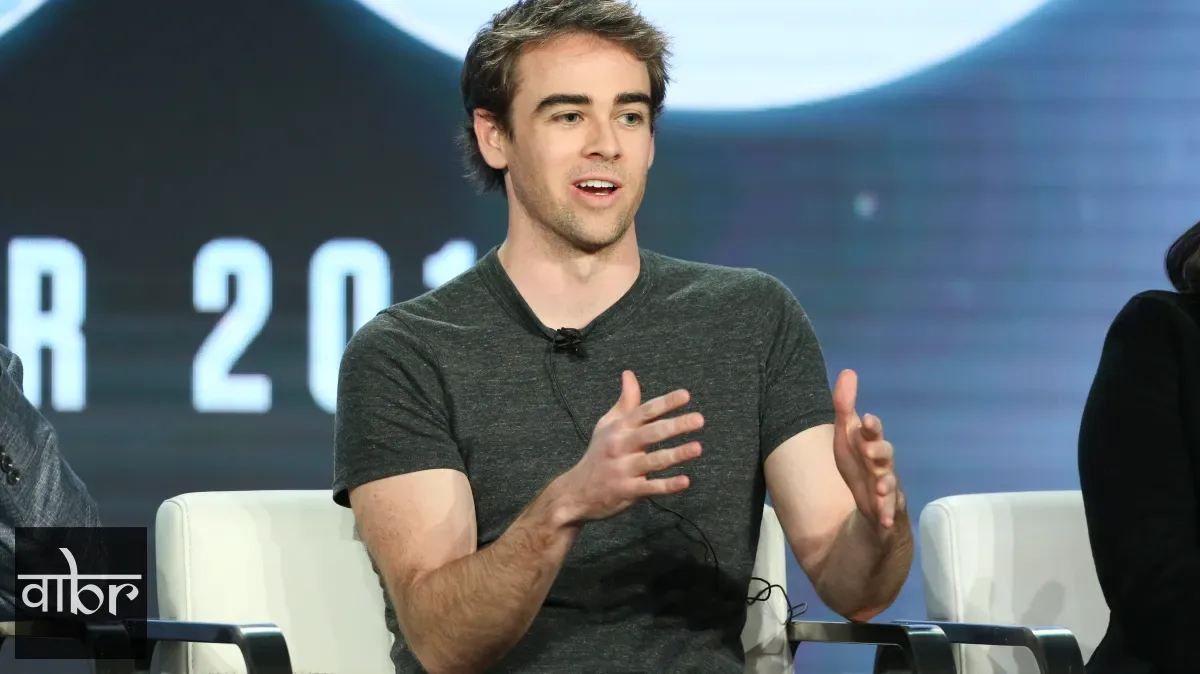
Theranos Whistleblower Warns AI Bubble Mirrors Silicon Valley Fraud
As the global technology market races toward unprecedented milestones, shadows from past corporate scandals continue to loom large. A prominent Theranos whistleblower has stepped forward to deliver a stark warning to investors, regulators, and technologists alike. According to this insider, the modern artificial intelligence boom shares alarming parallels with the notorious blood-testing startup that defrauded billions. The Theranos whistleblower emphasizes that the AI bubble creates a fertile ground for bad actors, where unproven concepts and hollow promises can command trillion-dollar market evaluations.
In this deep-dive investigative analysis, we examine how historical lessons from Elizabeth Holmes’ fraudulent empire apply directly to the contemporary machine learning landscape. We will explore the mechanics of modern tech industry deception, evaluate the risks tied to unchecked venture capital funding, and analyze what regulators must do to safeguard the future of innovation.
Deep Dive: Full Event Breakdown
The warnings delivered by the renowned Theranos whistleblower cut deep into the psyche of Silicon Valley. Speaking at a recent industry summit, the former employee highlighted how the current economic environment mirrors the conditions that allowed Theranos to thrive for over a decade without a functional product. The core of the issue lies in the rapid acceleration of the AI bubble, driven by FOMO (fear of missing out) among institutional investors and retail traders.
During the rise of Theranos, the company promised a revolution in healthcare through miniaturized blood testing using only a few drops of blood. Today, companies operating inside the AI bubble promise artificial general intelligence (AGI), autonomous reasoning, and universal workplace automation, often backed by little more than marketing decks and wrapper applications. The Theranos whistleblower noted that the complexity of modern algorithms makes it remarkably easy to obscure underlying failures behind flashy demos. When code is proprietary and training datasets are shrouded in secrecy, corporate deception becomes nearly impossible for the average investor to detect.
Industry Impact & Strategic Implications
The implications of an inflated AI bubble extend far beyond individual financial losses. When venture capital funding flows indiscriminately into companies that lack genuine technical capabilities, legitimate innovators suffer. The Theranos whistleblower pointed out that speculative excesses distort market signals, rewarding charismatic founders over rigorous engineers.
Consider the domain of startup valuation within the tech sector. Firms with zero revenue and unverified technological models are routinely valued at billions of dollars. This dynamic forces ethical startups into a difficult dilemma: either exaggerate their capabilities to compete for capital or remain honest and risk being starved of resources. Such an ecosystem breeds systemic tech industry deception, where the pressure to deliver exponential growth overrides basic ethical standards.
Furthermore, the lack of algorithmic transparency exacerbates these risks. Unlike traditional manufacturing or software development, where product efficacy can be audited through standard QA processes, advanced neural networks are notoriously opaque. This opacity acts as a smokescreen, allowing exaggerated capability claims to persist unchecked until a catastrophic failure occurs.
Technical / Market Analysis
From a market analysis perspective, the structural similarities between the mid-2010s biotech sector and today's AI landscape are striking. The Theranos whistleblower emphasized that both domains rely heavily on future-facing promises that are difficult for non-technical stakeholders to evaluate independently.
In the case of machine learning hype, companies often market custom proprietary architectures that turn out to be mere wrappers around open-source foundation models. When these limitations are exposed, the fallout can trigger a broader market correction. The risk of artificial intelligence fraud is not merely theoretical; it threatens to erode public trust in automation technologies that genuinely hold transformative potential.
To understand the magnitude of the current AI bubble, one must examine the velocity of capital deployment. Institutional investors are pouring trillions of dollars into infrastructure, data centers, and compute power without establishing clear benchmarks for monetization or technical viability. This environment is tailor-made for exploitation by dishonest executives who understand how to weaponize machine learning hype for personal enrichment.
What This Means for Consumers and Developers
For everyday consumers and conscientious developers, the warnings from the Theranos whistleblower serve as an urgent call for vigilance. Consumers are increasingly interacting with AI systems embedded in critical workflows, from healthcare diagnostics to financial credit scoring. If these systems are built on foundations of corporate deception, the real-world consequences can be devastating.
Developers, meanwhile, face heightened scrutiny regarding algorithmic transparency and data privacy. Building trustworthy systems requires moving away from the Silicon Valley mantra of "move fast and break things" toward a paradigm rooted in rigorous accountability. The lessons of the Theranos whistleblower remind us that cutting corners on validation and truthfulness ultimately destroys long-term enterprise value.
Key Takeaways (Detailed bullet points)
- Historical Parallels: The Theranos whistleblower highlights how today's AI bubble mirrors the fraudulent dynamics of past Silicon Valley scandals.
- Capital Misallocation: Unchecked venture capital funding is driving unsustainable startup valuations based on unverified technological claims.
- Opacity as a Shield: Complex neural networks and proprietary architectures facilitate tech industry deception by hiding fundamental product limitations.
- Ethical Dilemmas: Legitimate innovators face immense pressure to engage in machine learning hype just to remain competitive in crowded markets.
- Regulatory Imperative: Increased emphasis on algorithmic transparency and corporate governance is desperately needed to prevent artificial intelligence fraud.
The Road Ahead (Forward-looking conclusion)
As the technology sector navigates this delicate transitional phase, the insights provided by the Theranos whistleblower offer a vital reality check. The AI bubble may continue to expand in the near term, fueled by genuine breakthroughs and aggressive speculation alike, but the laws of economic gravity remain undefeated.
Ultimately, sustainable growth in artificial intelligence will depend on transparency, rigorous peer review, and uncompromising ethical standards. By heeding the warnings of those who have witnessed firsthand how unchecked ambition can spiral into corporate fraud, the tech industry can chart a more responsible course forward. Ensuring robust Silicon Valley accountability will protect not only investors and developers but also the broader society that relies on these transformative technologies.
Strategic Industry Takeaways & Future Outlook
When evaluating the broader technological shift, Theranos whistleblower serves as a defining benchmark for modern standards. Industry analysts emphasize that continuing developments in Theranos whistleblower will dictate user adoption and market expansion.
When evaluating the broader technological shift, Theranos whistleblower serves as a defining benchmark for modern standards. Industry analysts emphasize that continuing developments in Theranos whistleblower will dictate user adoption and market expansion.
Furthermore, strategic integration surrounding AI bubble remains a crucial priority for stakeholders. Ensuring high performance across AI bubble is expected to deliver long-term competitive advantages.
Furthermore, strategic integration surrounding AI bubble remains a crucial priority for stakeholders. Ensuring high performance across AI bubble is expected to deliver long-term competitive advantages.
Furthermore, strategic integration surrounding AI bubble remains a crucial priority for stakeholders. Ensuring high performance across AI bubble is expected to deliver long-term competitive advantages.
Furthermore, strategic integration surrounding AI bubble remains a crucial priority for stakeholders. Ensuring high performance across AI bubble is expected to deliver long-term competitive advantages.
📌 Related Briefings & Stories
Varta Brief Editorial Desk
• Newsroom StaffDedicated to objective, deep, and fact-verified reporting across technology, science, world affairs, and modern markets.
Follow Varta Brief on Google
Add Varta Brief as a preferred source to see our verified stories and daily briefings in Google Top Stories and Discover.
Found this briefing insightful?
Share it with your colleagues and community.
Read Next

RocketWerkz C# framework BRUTAL Launches for Developers Worldwide

OpenAI Lowers Funding Target As Artificial Intelligence Capital Shifts
