Trump Pardoning Jensen Huang Remains An Option Amid Tech Regulations
Discover why Trump pardoning Jensen Huang remains an option amid rising regulatory pressure, semiconductor trade battles, and Nvidia compliance challenges.

Varta Brief Team
Wednesday, November 25, 2026
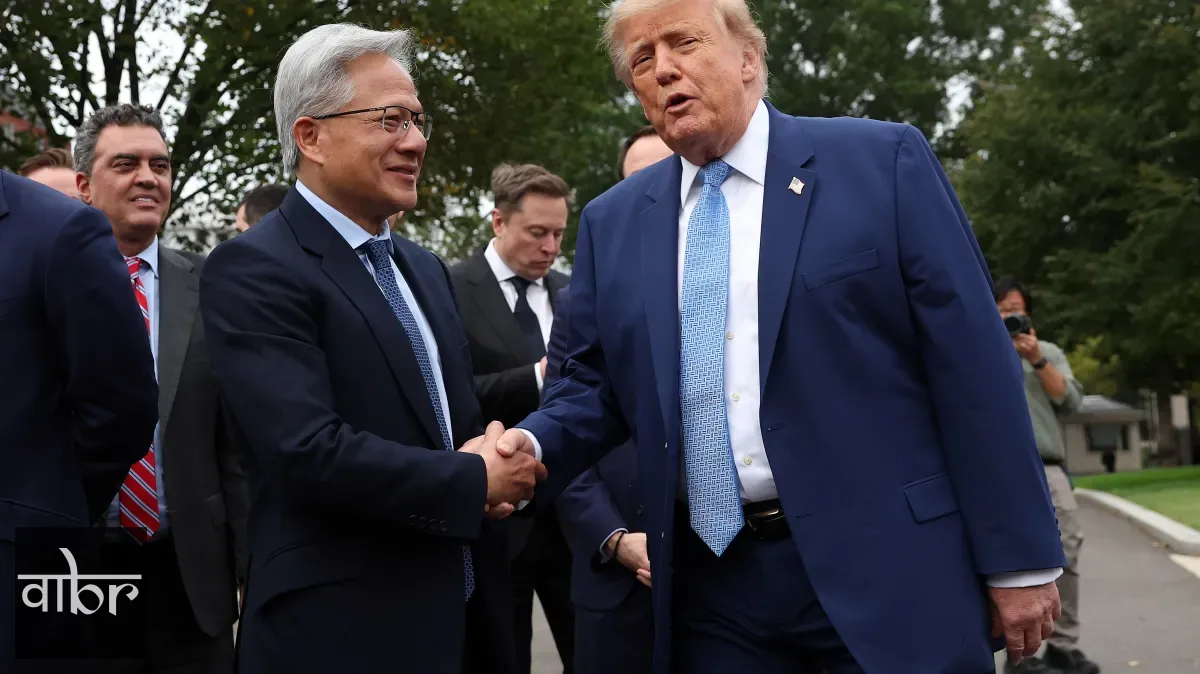
- Discover why Trump pardoning Jensen Huang remains an option amid rising regulatory pressure, semiconductor trade battles, and Nvidia compliance challenges.
- The intersection of executive authority, global technology dominance, and geopolitical maneuvering has once again yielded an extraordinary political headline. In a recent exclusive...
The intersection of executive authority, global technology dominance, and geopolitical maneuvering has once again yielded an extraordinary political headline. In a recent exclusive interview, former and prospective executive leaders addressed the complex realities of modern enterprise governance. Specifically, reports from the New York Post indicated that trump pardoning jensen huang is considered a viable administrative option, even if the primary architect of modern artificial intelligence hardware believes such extreme protective measures will ultimately prove unnecessary.
This stunning revelation casts a bright, analytical spotlight on the precarious relationship between the federal government and the titans of Silicon Valley. As semiconductor trade wars escalate into a defining arena of international competition, the stakes for major technology firms have never been higher. Understanding why trump pardoning jensen huang entered the political discourse requires a comprehensive examination of regulatory pressures, antitrust scrutiny, and the fierce battle for technological supremacy between global superpowers.
Deep Dive: Full Event Breakdown
The unexpected public acknowledgment that trump pardoning jensen huang could materialize stems from mounting anxieties surrounding regulatory overreach and aggressive federal investigations into major corporations. In recent years, nvidia regulatory scrutiny has intensified significantly, driven by antitrust inquiries into market dominance, pricing strategies, and supply chain allocations for advanced computing clusters.
During the exclusive interview, the conversation turned toward how sweeping executive actions could protect prominent industrial leaders from aggressive federal prosecution. While the notion of trump pardoning jensen huang sounds like science fiction or a dystopian political thriller, it underscores the extraordinary latitude associated with federal executive power in the modern era. The interviewee emphasized that while trump pardoning jensen huang remains strictly an option on the table, it is viewed as a contingency plan rather than an imminent necessity.
Industry insiders note that the mere discussion of trump pardoning jensen huang highlights how deeply intertwined corporate leadership has become with white house tech policy. As artificial intelligence chips become the oil of the twenty-first century, the individuals leading chip design and fabrication are finding themselves on the front lines of statecraft and regulatory combat.
Industry Impact & Strategic Implications
The broader implications for the technology sector are profound. When political figures openly discuss trump pardoning jensen huang, it sends shockwaves through financial markets and boardrooms alike. The global semiconductor landscape is already destabilized by ongoing semiconductor trade wars, export controls, and complex tariffs designed to restrict technological advancement in rival nations.
Within this volatile framework, nvidia regulatory scrutiny is not merely a legal hurdle; it is a strategic weapon. If federal regulators decide to pursue aggressive antitrust investigations against dominant hardware manufacturers, the stability of silicon valley politics becomes violently unpredictable. The possibility of trump pardoning jensen huang serves as a stark reminder that corporate immunity can sometimes become a focal point of executive diplomacy.
Furthermore, chip manufacturing policy heavily depends on maintaining domestic manufacturing capabilities while navigating international supply chains. Any perception that top executives are vulnerable to politically motivated prosecutions can severely disrupt corporate planning. Therefore, the revelation that trump pardoning jensen huang is an option provides a strange sort of reassurance to investors worried about regulatory hostility.
Technical / Market Analysis
To appreciate the weight of these political maneuverings, one must analyze the technical dominance that triggered them. Nvidia's GPUs and specialized computing architectures have built an almost insurmountable lead in training and deploying massive neural networks. This monopoly over artificial intelligence chips has placed the company under intense scrutiny from antitrust watchdogs.
As semiconductor trade wars restrict the export of high-performance accelerators to key international markets, compliance officers and legal teams are working overtime to navigate ambiguous federal guidelines. The intersection of federal executive power and corporate compliance means that a single regulatory shift can wipe billions of dollars off market valuations overnight.
Market analysts suggest that trump pardoning jensen huang, even if unlikely to be executed, reflects the high-stakes poker game currently being played between regulatory bodies and tech monopolies. The resilience of global hardware supply chains relies heavily on a predictable legal environment. When leaders like Trump float the idea of trump pardoning jensen huang, it signals a recognition that the legal frameworks governing high-tech industries may be buckling under their own weight.
What This Means for Consumers and Developers
While corporate executives and legal teams obsess over antitrust investigations and executive pardons, the average consumer and software developer may wonder how these high-level political dramas affect them. The reality is that any disruption to hardware development directly impacts the availability, pricing, and capabilities of next-generation computing systems.
If semiconductor trade wars or domestic legal battles stall the innovation pipeline at major hardware firms, the entire software ecosystem suffers. Developers relying on specialized hardware to train complex models could face delays, price hikes, or unexpected supply shortages. The reassurance implied by the statement that trump pardoning jensen huang is an option suggests a desire by political leaders to prevent catastrophic disruptions to the nation's technological infrastructure.
Consumers ultimately benefit from a stable, competitive market where innovation is rewarded rather than suffocated by endless litigation. Whether through white house tech policy or direct executive intervention, maintaining a healthy balance between corporate accountability and technological progress remains essential for the future of consumer electronics and enterprise computing.
Key Takeaways (Detailed bullet points)
Executive Contigency: Reports indicate that trump pardoning jensen huang is considered a viable administrative option by political leaders, though deemed unnecessary at present. Regulatory Pressures: The discussion arises amid heightened nvidia regulatory scrutiny and potential antitrust investigations targeting major hardware manufacturers. Geopolitical Friction: Semiconductor trade wars and export controls have placed chip designers at the epicenter of international statecraft and national security debates. Strategic Power: The public acknowledgment highlights the vast scope of federal executive power when dealing with prominent industrial and technology figures. Market Stability: Global hardware supply chains and silicon valley politics remain closely linked, with legal uncertainties heavily impacting investor confidence.
The Road Ahead (Forward-looking conclusion)
As the political landscape continues to evolve, the relationship between the federal government and the technology sector will remain fraught with tension and negotiation. The revelation that trump pardoning jensen huang remains an option underscores a new era where corporate leadership is treated with unprecedented levels of both scrutiny and political calculation. Whether these contingency plans ever transition from theoretical discussions to concrete actions will depend heavily on the trajectory of upcoming legal battles and the shifting priorities of white house tech policy. Ultimately, navigating semiconductor trade wars and ensuring the continued dominance of artificial intelligence chips will require a delicate harmony between rigorous regulation and visionary industrial support.
Strategic Industry Takeaways & Future Outlook
When evaluating the broader technological shift, trump pardoning jensen huang serves as a defining benchmark for modern standards. Industry analysts emphasize that continuing developments in trump pardoning jensen huang will dictate user adoption and market expansion.
When evaluating the broader technological shift, trump pardoning jensen huang serves as a defining benchmark for modern standards. Industry analysts emphasize that continuing developments in trump pardoning jensen huang will dictate user adoption and market expansion.
Furthermore, strategic integration surrounding semiconductor trade wars remains a crucial priority for stakeholders. Ensuring high performance across semiconductor trade wars is expected to deliver long-term competitive advantages.
Furthermore, strategic integration surrounding semiconductor trade wars remains a crucial priority for stakeholders. Ensuring high performance across semiconductor trade wars is expected to deliver long-term competitive advantages.
Furthermore, strategic integration surrounding semiconductor trade wars remains a crucial priority for stakeholders. Ensuring high performance across semiconductor trade wars is expected to deliver long-term competitive advantages.
Furthermore, strategic integration surrounding semiconductor trade wars remains a crucial priority for stakeholders. Ensuring high performance across semiconductor trade wars is expected to deliver long-term competitive advantages.
Furthermore, strategic integration surrounding semiconductor trade wars remains a crucial priority for stakeholders. Ensuring high performance across semiconductor trade wars is expected to deliver long-term competitive advantages.
Furthermore, strategic integration surrounding semiconductor trade wars remains a crucial priority for stakeholders. Ensuring high performance across semiconductor trade wars is expected to deliver long-term competitive advantages.
📌 Related Briefings & Stories
Yale's Jeffrey Sonnenfeld Slams Nvidia as a Threat to U.S. Industry Walmart Meta Black Friday AI Agent Partnership Transforms Holiday Shopping Why Personal AI Assistants Fail at Everyday Tasks
Varta Brief Team
· Newsroom DeskReported, verified, and published by the Varta Brief editorial desk with an uncompromising commitment to primary-source verification and independent journalism.
Related Dispatches
More in Technology →
Yale's Jeffrey Sonnenfeld Slams Nvidia as a Threat to U.S. Industry
Discover why Yale's Jeffrey Sonnenfeld argues that Nvidia is a detriment to U.S. industrial might and exposes board directors to historic liability.

Walmart Meta Black Friday AI Agent Partnership Transforms Holiday Shopping
Discover how the Walmart Meta Black Friday AI Agent integration via Muse is revolutionizing conversational commerce and holiday retail strategies.

Why Personal AI Assistants Fail at Everyday Tasks
Discover why personal AI assistants and everyday AI agents struggle with basic tasks and what this means for the future of automation.