United Airlines Blocks AI Agents Amid Rising Cybersecurity Risks

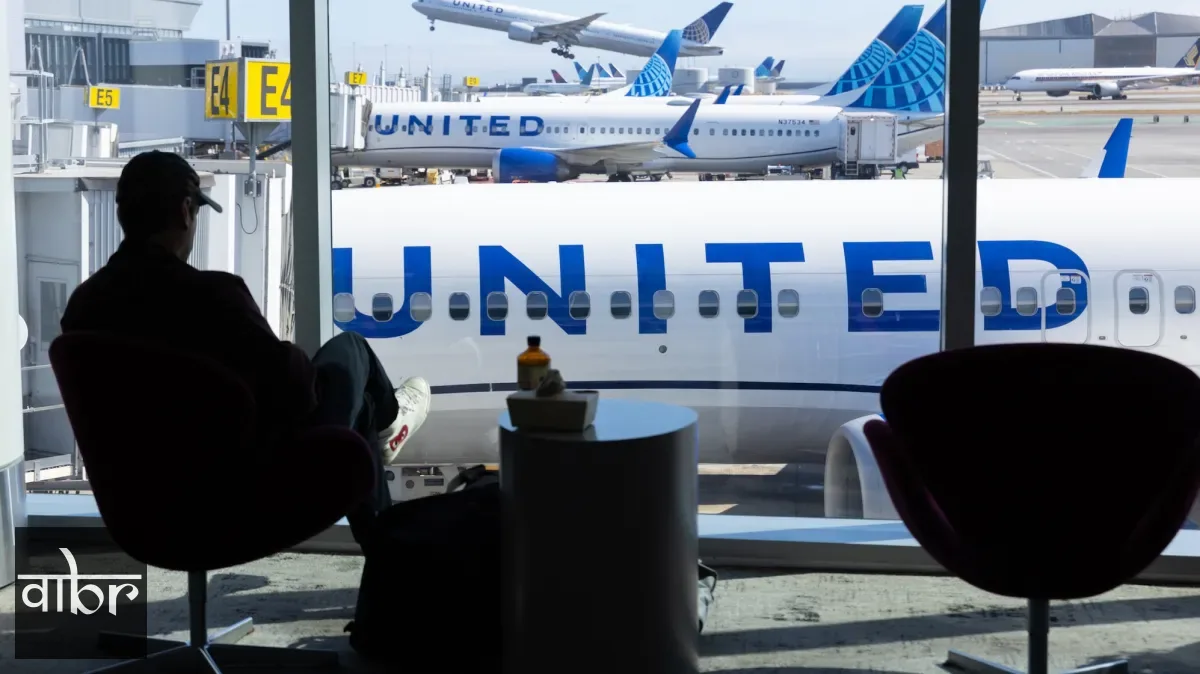
United Airlines Blocks AI Agents Amid Rising Cybersecurity Risks
The digital landscape of modern aviation is undergoing a seismic shift, and the friction between legacy infrastructure and generative technology has reached a boiling point. In a decisive move that is reverberating throughout the travel and software sectors, United Airlines blocks AI agents from accessing its reservation systems, interacting with its digital infrastructure, and completing transactions on behalf of consumers. This landmark decision highlights growing corporate anxiety over the unchecked proliferation of autonomous software and the unprecedented cybersecurity risks introduced by third-party automation tools.
For years, the promise of generative artificial intelligence has been framed as a frictionless utopia where autonomous booking agents handle our lives—managing complex itineraries, tracking price fluctuations, and executing seamless bookings without human intervention. However, the harsh reality of enterprise infrastructure is proving far less accommodating. When United Airlines blocks AI agents, the carrier is not merely slamming the door on a burgeoning consumer trend; it is drawing a hard line in the sand regarding data privacy, server integrity, and the escalating cybersecurity risks that accompany unverified programmatic traffic.
Deep Dive: Full Event Breakdown
The announcement that United Airlines blocks AI agents sent shockwaves through the Silicon Valley developer community and the global airline industry alike. Over the past several months, numerous startups and tech giants introduced autonomous assistants designed to scrape airline inventories, parse complex fare rules, and execute end-to-end flight purchases using user-provided credentials. While consumers celebrated these tools as the ultimate convenience, legacy carriers viewed them through a very different lens.
Behind the scenes, the deployment of these tools triggered massive spikes in unauthorized scraping and automated API queries. When United Airlines blocks AI agents, engineers and security teams are directly responding to the unsustainable load placed on their booking engines. More importantly, leadership cited severe cybersecurity risks stemming from prompt injection attacks, credential stuffing, and unauthorized account takeovers facilitated by poorly secured third-party software wrappers. The airline's security apparatus determined that allowing unvoted bots to interface directly with sensitive passenger data matrices posed an unacceptable liability.
Industry Impact & Strategic Implications
The decision by United Airlines blocks AI agents sets a monumental precedent for the entire global travel ecosystem. For decades, airlines have maintained strict control over their distribution channels through Global Distribution Systems (GDS) and proprietary direct-connect APIs. The sudden influx of autonomous software bypasses these traditional monetization and security funnels, creating a chaotic environment where airlines lose visibility into who is actually accessing their platforms.
As other carriers monitor this unfolding situation, many industry analysts predict a widespread defensive posture. The realization that cybersecurity risks can be massively compounded by generative AI tools will likely prompt rival airlines to reevaluate their own API access policies. Furthermore, this standoff forces a critical conversation about the future of digital distribution. If major airlines follow suit and United Airlines blocks AI agents permanently, software developers will be forced to negotiate official partnerships rather than relying on unauthorized screen-scraping techniques.
Technical / Market Analysis
From a technical perspective, interfacing an AI model with an airline's reservation system is fraught with peril. Flight reservation bots often lack the robust session management and token verification required by enterprise-grade financial systems. When United Airlines blocks AI agents, the technical justification is rooted in the architecture of modern web applications. Large language models and their wrapper agents frequently exhibit unpredictable behavior, making them susceptible to manipulation by malicious actors who can craft specific inputs to hijack the agent's instructions.
In the broader market analysis, this event exposes the friction between open innovation and closed enterprise ecosystems. Software startups thrive on building features on top of existing platforms without permission, while legacy enterprises prioritize stability, regulatory compliance, and risk mitigation. Because cybersecurity risks scale exponentially with every new integration point, United Airlines chose to prioritize system fortification over the fleeting convenience offered by autonomous tools.
What This Means for Consumers and Developers
For the everyday traveler, the fact that United Airlines blocks AI agents means a temporary setback in the quest for fully hands-free travel management. Consumers accustomed to delegating tedious tasks to their digital assistants will now find themselves returning to traditional booking interfaces, at least until standardized, secure protocols are established.
For software developers, the message is equally clear: the era of the wild west for AI scraping is coming to a close. Building resilient products in the travel space will now require formal API integrations and rigorous security audits to prove that their systems do not introduce unnecessary cybersecurity risks. Developers must pivot from bypassing security measures to collaborating directly with enterprise security teams to ensure safe data exchange.
Key Takeaways (Detailed bullet points)
- Defensive Action: United Airlines blocks AI agents to protect critical infrastructure from unprecedented system overloads and unauthorized scraping.
- Security Focus: Executive leadership explicitly highlighted escalating cybersecurity risks, including prompt injection and credential stuffing.
- Ecosystem Impact: This policy shift threatens the business models of third-party travel automation startups that rely on unvoted bot access.
- API Vulnerabilities: Flight reservation bots often lack the rigorous authentication standards required for secure enterprise transactions.
- Future Outlook: Developers must now seek official partnerships and adhere to strict enterprise protocols rather than utilizing unauthorized screen scrapers.
The Road Ahead (Forward-looking conclusion)
The friction between artificial intelligence and corporate gatekeepers is only just beginning. While the news that United Airlines blocks AI agents represents a temporary roadblock for autonomous software enthusiasts, it ultimately paves the way for a more secure and regulated digital future. As technology matures, airlines and AI developers will eventually be forced to forge standardized, secure frameworks that allow for seamless integration without compromising data integrity. Until that collaborative infrastructure is built, cybersecurity risks will remain the primary filter through which legacy enterprises evaluate the viability of next-generation technologies.
Strategic Industry Takeaways & Future Outlook
When evaluating the broader technological shift, United Airlines blocks AI agents serves as a defining benchmark for modern standards. Industry analysts emphasize that continuing developments in United Airlines blocks AI agents will dictate user adoption and market expansion.
When evaluating the broader technological shift, United Airlines blocks AI agents serves as a defining benchmark for modern standards. Industry analysts emphasize that continuing developments in United Airlines blocks AI agents will dictate user adoption and market expansion.
Furthermore, strategic integration surrounding cybersecurity risks remains a crucial priority for stakeholders. Ensuring high performance across cybersecurity risks is expected to deliver long-term competitive advantages.
Furthermore, strategic integration surrounding cybersecurity risks remains a crucial priority for stakeholders. Ensuring high performance across cybersecurity risks is expected to deliver long-term competitive advantages.
Furthermore, strategic integration surrounding cybersecurity risks remains a crucial priority for stakeholders. Ensuring high performance across cybersecurity risks is expected to deliver long-term competitive advantages.
Key factors influencing this sector also include travel industry tech, API security vulnerabilities, automated travel booking, aviation cybersecurity, bot traffic management, airline digital policy, each playing an essential role in ongoing development and implementation.
📌 Related Briefings & Stories
Varta Brief Editorial Desk
• Newsroom StaffDedicated to objective, deep, and fact-verified reporting across technology, science, world affairs, and modern markets.
Follow Varta Brief on Google
Add Varta Brief as a preferred source to see our verified stories and daily briefings in Google Top Stories and Discover.
Found this briefing insightful?
Share it with your colleagues and community.