Vampire Knight Gothic Romance: The 2000s Cult Classic Legacy

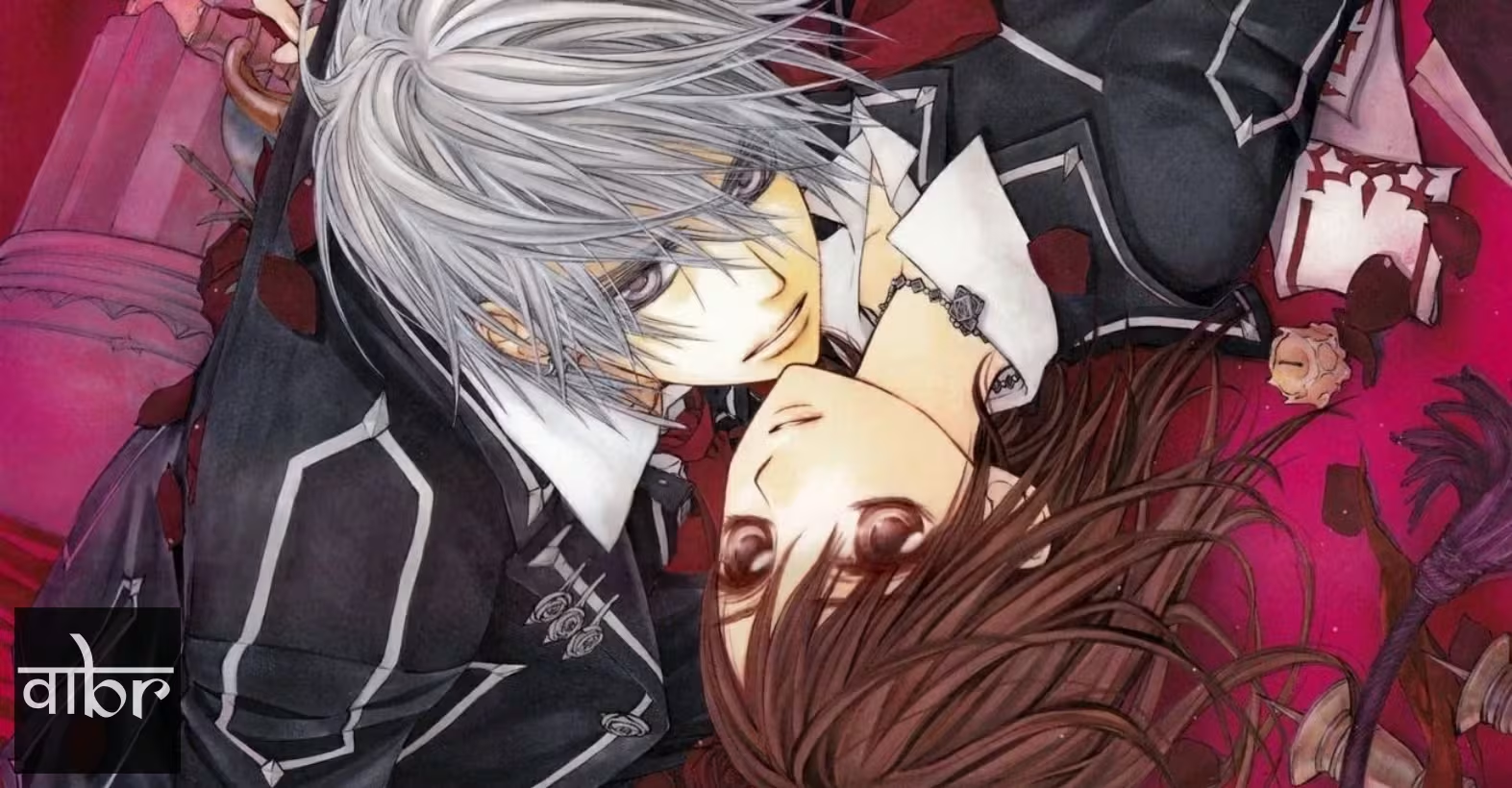
Vampire Knight Gothic Romance: The 2000s Cult Classic Legacy
Long before streaming platforms dominated global media consumption, a specific brand of dark, moody storytelling captured the imaginations of teenagers and young adults worldwide. At the center of this movement was Vampire Knight Gothic Romance, a cultural artifact that continues to polarize fans and critics nearly two decades after its initial release. As an enduring 2000s anime cult classic, its impact on fandom culture, transmedia storytelling, and the shojo demographic remains a fascinating subject of media analysis. This comprehensive deep-dive explores how Vampire Knight Gothic Romance shaped an entire era of serialized entertainment.
Deep Dive: Full Event Breakdown
To understand the cultural footprint of Vampire Knight Gothic Romance, one must examine its origins in the pages of LaLa magazine, penned by celebrated creator Matsuri Hino. The Matsuri Hino manga serialized from 2004 to 2013, establishing a visual and narrative template that prioritized brooding aesthetics, intricate noble hierarchies, and deeply complicated love triangles. When Studio Deen greenlit the adaptation, the resulting production leaned heavily into atmospheric gloom, orchestral soundtracks, and striking character designs.
Yet, the narrative trajectory of Vampire Knight Gothic Romance was never straightforward. It challenged conventional shojo dark fantasy boundaries by blurring the lines between predatory danger and romantic devotion. Viewers following the series found themselves navigating a maze of ethical dilemmas, secret identities, and melodramatic twists that cemented its status as a quintessential guilty pleasure anime. Characters like Kaname Kuran and Zero Kiryu represented contrasting archetypes of protective yet dangerous guardianship, fueling endless online debates that persist to this day.
Industry Impact & Strategic Implications
From a broader perspective, the enduring fascination with Vampire Knight Gothic Romance offers critical insights into anime industry trends of the mid-to-late 2000s. During this era, production committees actively sought out properties capable of bridging the gap between male-dominated action titles and female-oriented romantic dramas. Vampire Knight Gothic Romance proved that stylized gothic romance tropes could drive international licensing deals, physical media sales, and lucrative merchandising campaigns.
Furthermore, the long-term resonance of any 2000s anime cult classic highlights shifting paradigms in media audience retention. Modern streaming platforms heavily rely on nostalgia-driven engagement, and legacy titles like Vampire Knight Gothic Romance consistently pull steady numbers from aging millennial demographics alongside curious Gen Z viewers discovering the series via algorithmic recommendations. This cross-generational appeal demonstrates the enduring power of high-concept emotional storytelling.
Technical / Market Analysis
Analyzing the production ecosystem surrounding Vampire Knight Gothic Romance reveals fascinating industry mechanics. Studio Deen utilized limited animation techniques strategically, redirecting budgetary resources toward hyper-detailed close-ups of expressive eyes, flowing hair, and dramatic lighting effects. This directorial focus maximized the emotional impact of key dramatic moments, aligning perfectly with the stylistic demands of vampire anime history.
From a market standpoint, the transmedia ecosystem supporting Vampire Knight Gothic Romance was remarkably robust. The synergy between serialized manga chapters, television broadcasts, official artbooks, and audio dramas created a closed-loop consumer experience. For modern entertainment analysts, this multi-tiered approach serves as an early blueprint for maximizing intellectual property value in the digital age.
What This Means for Consumers and Developers
For contemporary consumers, revisiting Vampire Knight Gothic Romance provides a nostalgic lens through which to view the evolution of romantic tropes in modern media. Today's audiences often demand healthier relationship dynamics, making the toxic yet magnetic elements of Vampire Knight Gothic Romance a frequent topic of humorous critique and ironic appreciation. It stands as a prime example of how artistic media can be enjoyed as a guilty pleasure without demanding moral perfection from its fictional characters.
For modern developers and narrative designers, the legacy of this 2000s anime cult classic underscores the value of emotional intensity. Whether crafting visual novels, role-playing games, or serialized streaming series, creators can learn from how Vampire Knight Gothic Romance built an intensely loyal following through high-stakes melodrama and striking visual identity.
Key Takeaways (Detailed bullet points)
- Cultural Longevity: Vampire Knight Gothic Romance maintains a passionate, vocal global fanbase nearly twenty years after its premiere.
- Narrative Complexity: The series thrives on high-stakes melodrama, ethical ambiguity, and a famous love triangle between Kaname and Zero.
- Industry Blueprint: Its transmedia success helped validate shojo dark fantasy properties for international licensing and adaptation.
- Aesthetic Influence: The distinct visual style cemented key gothic romance tropes that continue to inspire modern manga and indie game creators.
The Road Ahead (Forward-looking conclusion)
As the media landscape continues to evolve at a dizzying pace, the cultural footprint of Vampire Knight Gothic Romance remains secure. Whether analyzed through the lens of media studies, fandom history, or pure nostalgic entertainment, this defining 2000s anime cult classic reminds us why dramatic, stylized storytelling commands our attention. By understanding the timeless appeal of Vampire Knight Gothic Romance, creators and consumers alike can better appreciate the complex history of serialized romance and fantasy in modern pop culture.
Strategic Industry Takeaways & Future Outlook
Furthermore, strategic integration surrounding 2000s anime cult classic remains a crucial priority for stakeholders. Ensuring high performance across 2000s anime cult classic is expected to deliver long-term competitive advantages.
Furthermore, strategic integration surrounding 2000s anime cult classic remains a crucial priority for stakeholders. Ensuring high performance across 2000s anime cult classic is expected to deliver long-term competitive advantages.
Furthermore, strategic integration surrounding 2000s anime cult classic remains a crucial priority for stakeholders. Ensuring high performance across 2000s anime cult classic is expected to deliver long-term competitive advantages.
Furthermore, strategic integration surrounding 2000s anime cult classic remains a crucial priority for stakeholders. Ensuring high performance across 2000s anime cult classic is expected to deliver long-term competitive advantages.
Key factors influencing this sector also include Studio Deen adaptation, each playing an essential role in ongoing development and implementation.
📌 Related Briefings & Stories
Varta Brief Editorial Desk
• Newsroom StaffDedicated to objective, deep, and fact-verified reporting across technology, science, world affairs, and modern markets.
Follow Varta Brief on Google
Add Varta Brief as a preferred source to see our verified stories and daily briefings in Google Top Stories and Discover.
Found this briefing insightful?
Share it with your colleagues and community.
Read Next
JoJo's Bizarre Adventure Villain Yoshikage Kira Redefined Anime Antagonists

Classic Far Side Comics: The Ultimate Spooky Halloween Guide