Xbox 2026 Rumors, Changes, and Cancelled Games Rundown

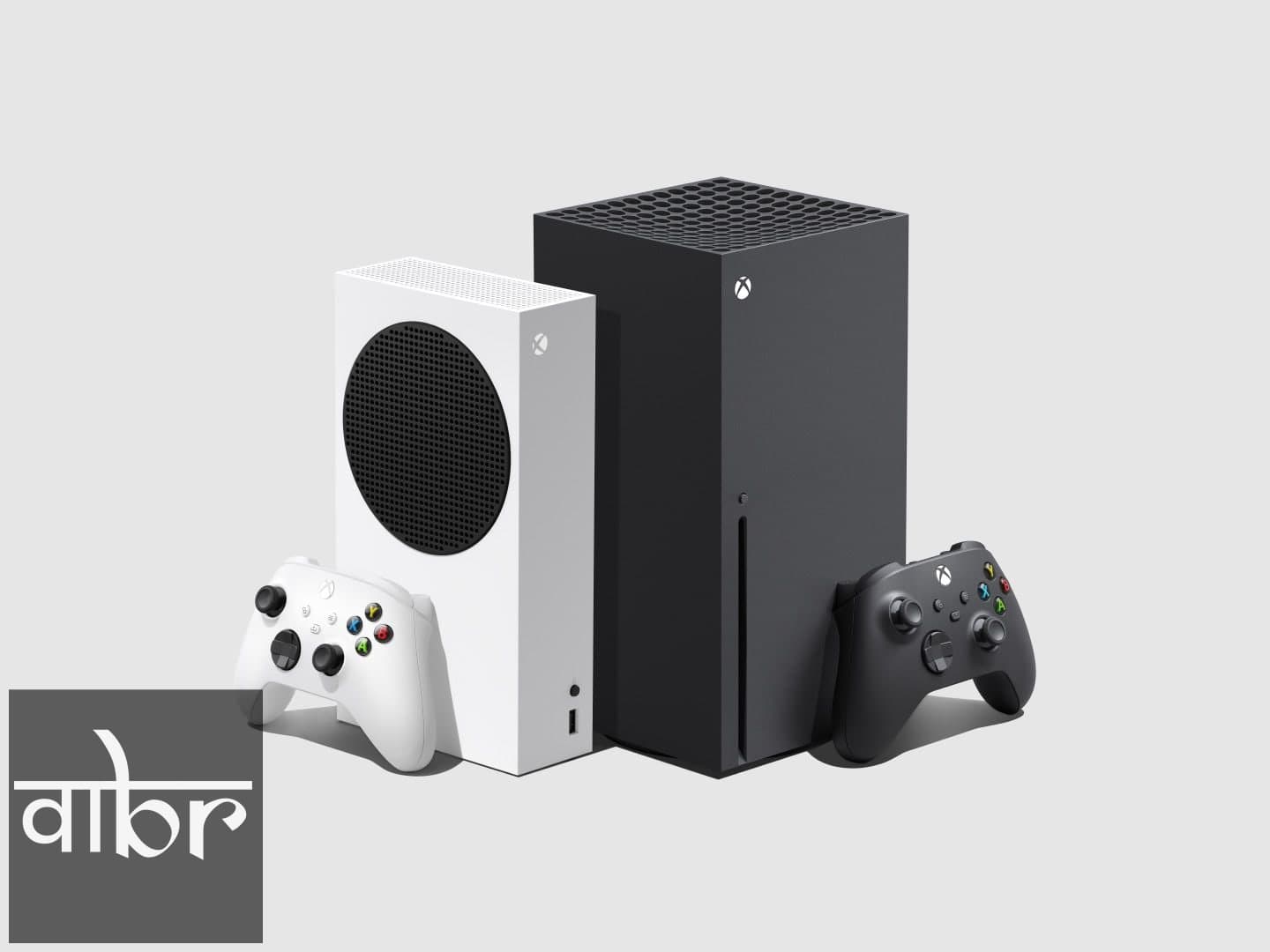
The landscape of modern video game journalism is constantly shifting, especially when major corporate entities undergo significant executive re-alignment. In the gaming industry, corporate decisions often ripple outward, affecting developers, independent studios, and millions of passionate players worldwide who invest their time and money into specific ecosystems. Recently, the gaming community has focused intensely on the brand dynamics overseen by current leadership. This running news roundup compiles every notable development, unverified industry rumor, structural shift, and official game cancellation associated with the major console manufacturer over the past several weeks.
Leadership transitions frequently signal new strategic directions for multinational technology and entertainment corporations. When a high-profile executive takes the helm, observers look closely at operational philosophies, budget allocations, and long-term hardware roadmaps. This level of scrutiny applies directly to the current state of affairs at Microsoft's gaming division. As players and analysts try to parse what the future holds, tracking each development becomes essential for understanding broader trends in the interactive entertainment sector. Transparency from corporate entities remains crucial during times of transition, helping to mitigate anxiety among consumers and development staff alike.
Leadership Under Asha Sharma and Recent Shifts
Xbox CEO Asha Sharma has implemented many changes over the past month, setting a fast and unpredictable pace for the brand. Since stepping into the executive role, leadership has initiated several internal reviews aimed at streamlining operations, optimizing project pipelines, and redefining how software is distributed across multiple platforms. These strategic pivots have inevitably led to widespread speculation across social media platforms, dedicated forums, and mainstream industry publications. Observers are eager to see how these administrative choices will ultimately impact the availability of first-party titles, hardware longevity, and subscription service offerings moving forward.
The swift nature of these administrative adjustments has caught many industry veterans by surprise. Corporate transformations of this magnitude usually take quarters or even years to fully materialize, yet the accelerated timeline under current management suggests an urgency to address profitability and market positioning. Stakeholders within the corporate structure have emphasized efficiency, leading to difficult choices regarding resource distribution. While some supporters view these decisive moves as necessary course corrections to remain competitive in a rapidly evolving market, critics worry about the immediate human cost and the potential narrowing of creative risks within internal development studios.
Tracking Rumors, Studio Changes, and Cancellations
Navigating the constant stream of unverified reports requires careful journalistic verification to separate factual announcements from speculative fiction. Over the past month, numerous rumors have circulated regarding unannounced projects, potential hardware revisions, and shifting publishing strategies. While some whispers from anonymous insiders have proven accurate in the past, many online leaks turn out to be entirely unfounded or based on outdated internal documents. Gamers and industry watchers must remain cautious when evaluating claims made by self-proclaimed insiders who lack verifiable track records.
Studio closures and project cancellations represent the most painful aspect of corporate restructuring for both developers and consumers. When projects that have been in development for years are abruptly halted, it reflects deep structural changes within the parent organization. The emotional investment that creative teams pour into their work makes these cancellations particularly devastating for the individuals involved. Furthermore, these decisions alter the anticipated release calendar, leaving noticeable gaps in the platform's upcoming software lineup and forcing players to recalibrate their expectations for the foreseeable future.
Key Takeaways
- Xbox CEO Asha Sharma has introduced numerous structural changes over the past month.
- The running news roundup captures unverified rumors, studio shifts, and official game cancellations.
- Industry watchers continue to monitor leadership decisions and their impact on future software releases.
- Corporate restructuring efforts highlight an ongoing industry-wide push toward operational efficiency and cost management.
- Consumers and developers alike face an uncertain period as long-term strategies unfold.
Analysis of Current Industry Trends
The broader games industry is currently undergoing a painful correction phase characterized by budget tightening, reduced risk-taking, and consolidated publishing efforts. Major publishers are increasingly hesitant to fund ambitious, high-risk projects unless they offer clear pathways to sustained long-term monetization. This risk-averse environment directly influences internal studio priorities, often resulting in sudden cancellations of creative concepts that do not neatly fit corporate financial models. The friction between artistic expression and corporate accountability remains one of the defining challenges of contemporary game development.
The current wave of corporate adjustments reflects a wider industry pivot toward financial conservatism, where executive leadership must balance creative ambitions against strict shareholder expectations and market realities.
Observers note that similar restructuring patterns are visible across multiple competitors, indicating that these challenges are not unique to any single hardware manufacturer. As production costs continue to rise and development cycles stretch across multiple years, companies are forced to re-evaluate every project in their pipeline. This economic pressure explains why even major brands are tightening their belts and reallocating resources away from experimental ventures toward reliable, established franchises.
Conclusion and Future Outlook
Looking ahead, the trajectory of the brand will depend largely on how effectively leadership communicates its long-term vision to the public and its internal teams. As more details emerge regarding future hardware generations, game releases, and studio arrangements, the community will be watching closely for signs of stability. While the immediate past month has brought significant turbulence, structural adjustments often lay the groundwork for future stability if managed with transparency and care. Only time will tell whether these bold administrative choices will successfully position the platform for sustainable growth in an increasingly competitive global marketplace.
📌 Related Briefings & Stories
Arjav
• Newsroom StaffDedicated to objective, deep, and fact-verified reporting across technology, science, world affairs, and modern markets.
Follow Varta Brief on Google
Add Varta Brief as a preferred source to see our verified stories and daily briefings in Google Top Stories and Discover.
Found this briefing insightful?
Share it with your colleagues and community.