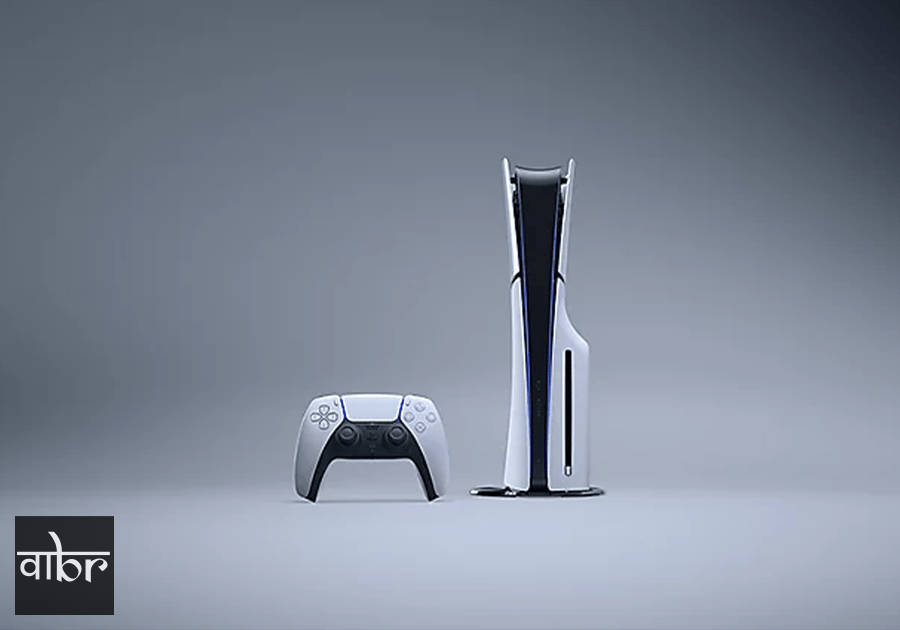
Xbox Series S Development Frustration Highlighted by Tekken Creator

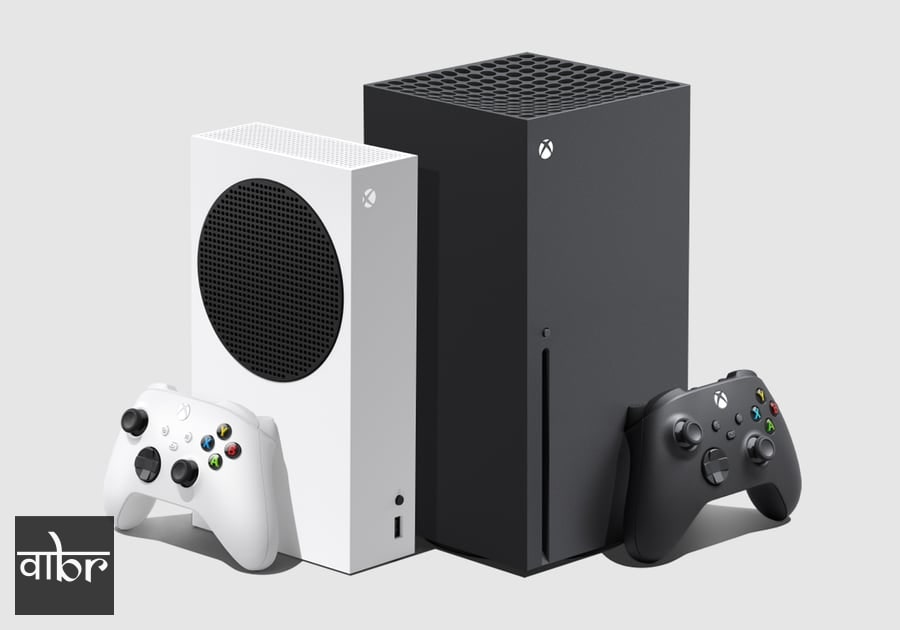
The ongoing debate surrounding entry-level console specifications has reached a boiling point once again, as veteran game developer and former Bandai Namco general manager Katsuhiro Harada publicly expressed his exasperation with low-spec hardware. Speaking candidly during an industry panel alongside fellow high-profile project leaders, Harada admitted that he wished hardware like Microsoft's budget console would not be released, pointing directly to the severe technical hurdles it introduces during cross-platform production cycles.
For years, Xbox Series S development has served as a flashpoint across the interactive entertainment industry. While Microsoft designed the digital-only console to offer an affordable entry point into modern gaming, engineers and directors have repeatedly warned that maintaining feature parity across disparate hardware tiering strains production timelines and restricts creative ambition. The recent commentary regarding Katsuhiro Harada console hardware opinions underscores a broader tension between platform holder accessibility strategies and developer performance demands.
Deep Dive: Full Event Breakdown
During a roundtable featuring seasoned game creators, Harada offered an unfiltered perspective on how lower-spec hardware impacts multi-platform workflows. Known for leading the legendary fighting game franchise Tekken 8 at Bandai Namco, Harada addressed the compromises required when building modern triple-A releases. He noted that while high-end target platforms allow teams to push visual fidelity and complex physics, scaling those systems down for weaker machines creates massive engineering overhead.
Harada specifically highlighted how target hardware limitations force developers to spend disproportionate amounts of time optimization-bound. Rather than focusing entirely on expanding gameplay systems or polishing content, engineering teams often spend months retrofitting assets and memory pools to run on underpowered hardware. The discussion over Katsuhiro Harada console hardware views resonated heavily with attendees, reflecting a sentiment shared privately by many technical directors across the industry.
This is not the first time Xbox Series S development has drawn criticism from leading studios. From dynamic resolution drops to feature omissions—such as split-screen multiplayer delays in major RPGs—the gap between Microsoft's two current-generation machines continues to complicate multi-platform pipelines. Harada’s blunt remarks on stage brought these lingering structural challenges back into the public eye.
Industry Impact & Strategic Implications
Microsoft’s mandate requires developers releasing games on the platform to maintain feature parity across both the Xbox Series X and its lower-cost sibling. While graphics resolution and frame rates can be scaled down, core gameplay mechanics and modes must remain identical. Consequently, Xbox Series S development directly influences what can be accomplished across an entire game project, as developers cannot build features that the weaker system is physically unable to handle.
This policy has led to significant friction, particularly for resource-intensive titles requiring strict current-gen performance standards. The commentary surrounding Katsuhiro Harada console hardware constraints highlights how studio resources are allocated. When engineers are forced to re-architect engine pipelines specifically to accommodate reduced memory bandwidth, overall production budgets swell, and launch schedules risk delay.
Furthermore, the strict enforcement of the parity clause has occasionally led publishers to delay platform launches entirely. When a studio struggles with Xbox Series S development, the result is often a postponed release across the entire Xbox ecosystem while PlayStation and PC versions proceed on schedule. This strategic friction places Microsoft in a challenging position as it balances consumer accessibility against publisher satisfaction.
Technical / Market Analysis
The fundamental friction point in Xbox Series S development stems from hardware architecture discrepancies. While both Microsoft consoles share similar CPU architecture, the Series S features significantly lower GPU compute power and, crucially, a reduced memory footprint with slower memory bandwidth. These RAM constraints create severe console bottlenecks when managing dense geometry, complex artificial intelligence systems, and advanced lighting models.
In competitive genres where split-second timing is paramount, such as fighting game optimization, maintaining a locked 60 frames per second is mandatory. For games like Tekken 8, frame consistency directly impacts gameplay integrity. Navigating Xbox Series S development under tight memory budgets forces engineers to downgrade background geometry, simplify lighting, and aggressively reduce particle effects to prevent frame drops.
The market analysis reveals a complex dynamic. On one hand, the lower price point of the Series S expanded Xbox's installed base during a period of global supply chain disruptions. On the other hand, the ongoing debate around Katsuhiro Harada console hardware perspectives reveals that technical debt accumulates over time. As games transition further into the console generation and push visual boundaries, the hardware gap becomes increasingly difficult to bridge via software optimization alone.
What This Means for Consumers and Developers
For game creators, the reality of Xbox Series S development means that multi-platform games must frequently be designed around the lowest common denominator. Even when targeting high-end PCs or the Xbox Series X, underlying engine systems—such as memory management and streaming architectures—must remain compliant with the baseline hardware spec. This reality validates the underlying concerns highlighted in the Katsuhiro Harada console hardware discussion.
For consumers, the situation presents a double-edged sword:
- Value and Accessibility: Budget-conscious gamers gain access to current-generation titles at a fraction of the hardware cost.
- Performance Compromises: Series S owners must accept lower rendering resolutions, reduced graphical fidelity, and occasionally missing features like local split-screen modes.
- Potential Industry Friction: Broader platform release schedules can suffer if studios hit insurmountable technical hurdles during Xbox Series S development.
Developers are ultimately caught between satisfying platform requirements and fulfilling their artistic and technical vision. As Katsuhiro Harada console hardware remarks demonstrate, veteran directors are increasingly willing to voice their frustration when entry-level hardware standards restrict studio throughput.
Key Takeaways
- Public Developer Frustration: Tekken creator Katsuhiro Harada expressed strong dissatisfaction with low-spec hardware releases during an industry panel.
- Engineering Bottlenecks: Xbox Series S development places substantial burdens on optimization teams due to reduced memory bandwidth and RAM constraints.
- Parity Mandate Challenges: Microsoft's strict feature parity clause forces studios to ensure all core gameplay systems function on low-tier hardware, sometimes causing platform-wide delays.
- Genre-Specific Hurdles: Titles requiring precise inputs—such as fighting game optimization in Tekken 8—face steep technical hurdles when aiming for stable current-gen performance on budget consoles.
- Industry Consensus: The commentary regarding Katsuhiro Harada console hardware reflects growing concern among major studios about hardware limitations hindering technological growth.
The Road Ahead
As the interactive entertainment industry moves into the late stage of the current console generation, the technical demands of software will only increase. Titles built on advanced engines like Unreal Engine 5 rely heavily on high-speed memory streaming and complex geometric pipelines, making Xbox Series S development progressively more challenging with each passing year.
The industry wide reaction to Katsuhiro Harada console hardware statements serves as a clear signal to platform holders preparing for future console architecture decisions. While offering lower-cost hardware entry points builds immediate install base numbers, it risks creating long-term friction with top-tier development studios. Moving forward, Microsoft and its competitors will need to evaluate whether dual-tier hardware strategies remain viable without compromising the forward momentum of interactive software design.
Strategic Industry Takeaways & Future Outlook
When evaluating the broader technological shift, Xbox Series S development serves as a defining benchmark for modern standards. Industry analysts emphasize that continuing developments in Xbox Series S development will dictate user adoption and market expansion.
When evaluating the broader technological shift, Xbox Series S development serves as a defining benchmark for modern standards. Industry analysts emphasize that continuing developments in Xbox Series S development will dictate user adoption and market expansion.
When evaluating the broader technological shift, Xbox Series S development serves as a defining benchmark for modern standards. Industry analysts emphasize that continuing developments in Xbox Series S development will dictate user adoption and market expansion.
When evaluating the broader technological shift, Xbox Series S development serves as a defining benchmark for modern standards. Industry analysts emphasize that continuing developments in Xbox Series S development will dictate user adoption and market expansion.
Furthermore, strategic integration surrounding Katsuhiro Harada console hardware remains a crucial priority for stakeholders. Ensuring high performance across Katsuhiro Harada console hardware is expected to deliver long-term competitive advantages.
Furthermore, strategic integration surrounding Katsuhiro Harada console hardware remains a crucial priority for stakeholders. Ensuring high performance across Katsuhiro Harada console hardware is expected to deliver long-term competitive advantages.
Furthermore, strategic integration surrounding Katsuhiro Harada console hardware remains a crucial priority for stakeholders. Ensuring high performance across Katsuhiro Harada console hardware is expected to deliver long-term competitive advantages.
Furthermore, strategic integration surrounding Katsuhiro Harada console hardware remains a crucial priority for stakeholders. Ensuring high performance across Katsuhiro Harada console hardware is expected to deliver long-term competitive advantages.
Furthermore, strategic integration surrounding Katsuhiro Harada console hardware remains a crucial priority for stakeholders. Ensuring high performance across Katsuhiro Harada console hardware is expected to deliver long-term competitive advantages.
📌 Related Briefings & Stories
Varta Brief Editorial Desk
• Newsroom StaffDedicated to objective, deep, and fact-verified reporting across technology, science, world affairs, and modern markets.
Follow Varta Brief on Google
Add Varta Brief as a preferred source to see our verified stories and daily briefings in Google Top Stories and Discover.
Found this briefing insightful?
Share it with your colleagues and community.