Why The Legend of Zelda Ocarina of Time Rejects Souls-Like Parrying

Why The Legend of Zelda Ocarina of Time Rejects Souls-Like Parrying
As the video game industry continuously evolves, contemporary design trends often dictate how classic masterpieces are re-evaluated. In the conversation surrounding action adventure games, few titles hold as much historical weight as zelda ocarina of time. Yet, despite countless modern ports, fan remakes, and iterative updates that refine zelda ocarina of time for modern audiences, one prevailing mechanic from contemporary action RPGs remains notably absent: souls-like parrying. While modern gaming discourse frequently praises titles that incorporate punishing, frame-accurate combat systems popularized by FromSoftware, zelda ocarina of time deliberately preserves its original rhythm. This editorial explores why the exclusion of souls-like parrying in zelda ocarina of time is a masterclass in game design, safeguarding the core identity of zelda ocarina of time against the homogenizing waves of modern game mechanics.
Deep Dive: Full Event Breakdown
The discussion surrounding modernizations in retro gaming preservation often centers on quality-of-life additions, such as improved frame rates, high-resolution textures, and mapped controls. However, mechanical overhauls frequently threaten to alter the fundamental DNA of historical titles. When analyzing zelda ocarina of time, industry critics and enthusiasts frequently debate whether the implementation of souls-like parrying would enhance or detract from the classic experience. In zelda ocarina of time, combat is historically structured around spatial awareness, shield blocking, and the revolutionary z-targeting system. By refusing to bow to souls-like parrying trends, zelda ocarina of time maintains a distinct pacing that prioritizes puzzle-solving and exploration over twitch-reflex execution.
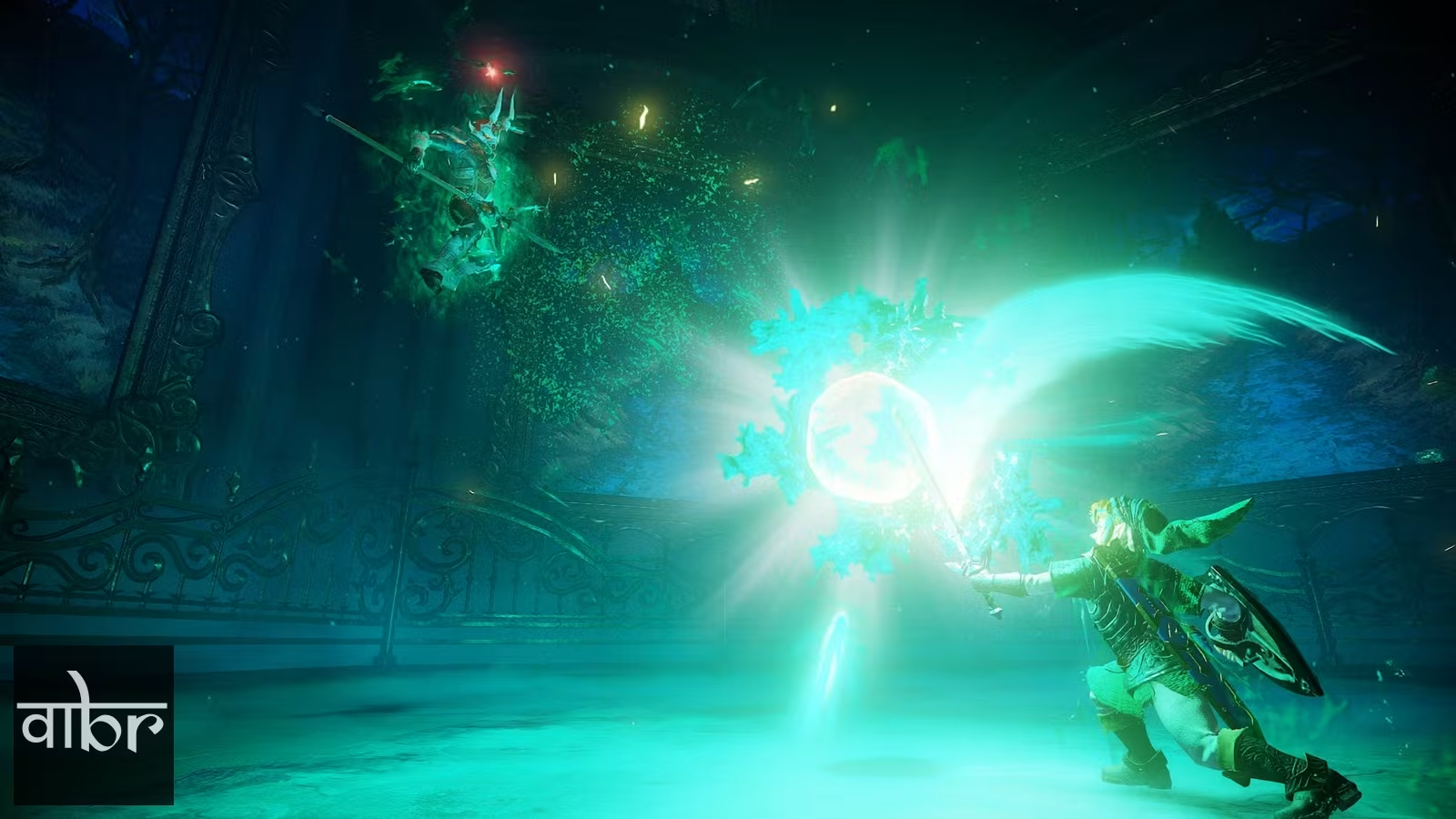
Throughout the history of video game history, nintendo design philosophy has consistently favored accessibility paired with intellectual engagement. When developers experiment with remasters of zelda ocarina of time, they carefully weigh the inclusion of souls-like parrying against the original encounter design. Introducing souls-like parrying into zelda ocarina of time would fundamentally require a total redesign of enemy artificial intelligence, damage scaling, and boss encounters. Stalfos battles and Darknut skirmishes in zelda ocarina of time rely on a delicate dance of defensive posture and strategic strikes. Adding souls-like parrying would transform zelda ocarina of time into an entirely different genre, clashing sharply with the foundational tenets of z-targeting.
Industry Impact & Strategic Implications
The pervasive shadow of fromsoftware influence looms large over contemporary game development. From indie titles to major AAA releases, the industry has witnessed a massive influx of mechanics inspired by dark fantasy challenge engines, notably souls-like parrying. Yet, the stubborn refusal of zelda ocarina of time to adopt souls-like parrying offers a vital strategic lesson for developers. In an era where action adventure games often homogenize their combat loops to appeal to hardcore demographics, zelda ocarina of time stands as a testament to the value of diverse mechanical design. Analyzing zelda ocarina of time proves that not every title benefits from the ubiquitous inclusion of souls-like parrying.
For studios engaged in retro gaming preservation, the temptation to modernize legacy titles with trendy features like souls-like parrying is exceptionally high. However, the cultural and historical value of zelda ocarina of time lies in its authentic reflection of late-nineties game development. By protecting zelda ocarina of time from extraneous combat layers, publishers maintain the integrity of video game history. The absence of souls-like parrying in zelda ocarina of time reminds the modern market that distinct pacing and deliberate design choices are valid, enduring, and commercially viable.
Technical / Market Analysis
From a technical standpoint, integrating souls-like parrying into zelda ocarina of time would necessitate a complete rewrite of the game's collision detection, animation priority queues, and input buffer windows. The original engine of zelda ocarina of time was engineered around discrete state machines where Link's shield block acts as an absolute defensive barrier rather than a high-risk parry opportunity. Market analysts tracking modern game mechanics note that while souls-like parrying drives high engagement in specific hardcore niches, it can alienate casual players who prefer the forgiving rhythm of traditional zelda ocarina of time encounters.
Consumer data gathered across digital storefronts highlights a growing demand for unaltered retro gaming preservation experiences. Players returning to zelda ocarina of time are seeking nostalgia and purity of design, not a reimagined combat system burdened by souls-like parrying mechanics. Consequently, maintaining the original mechanics of zelda ocarina of time safeguards its commercial legacy, ensuring that zelda ocarina of time continues to appeal to both veterans and newcomers who appreciate classic action adventure games free from modern feature bloat.
What This Means for Consumers and Developers
For consumers, the conscious omission of souls-like parrying in zelda ocarina of time ensures that the gaming landscape retains a healthy diversity of experiences. Not every game needs to test lightning-fast reflexes; some, like zelda ocarina of time, excel by testing spatial reasoning and tactical patience. For developers navigating the complexities of modern game mechanics, zelda ocarina of time serves as a powerful reminder that restraint is a virtue in game development.
Rather than blindly following trends of fromsoftware influence, creators should look to zelda ocarina of time to understand how thoughtful world-building and cohesive system design outlast fleeting industry fads. By respecting the original vision of zelda ocarina of time, developers contribute positively to video game history and honor the enduring legacy of nintendo design philosophy.
Key Takeaways
- Preservation of Identity: zelda ocarina of time successfully resists the urge to incorporate souls-like parrying, retaining its unique identity.
- Pacing and Rhythm: The combat loop in zelda ocarina of time relies on z-targeting and defensive shielding rather than punishing counter-attacks.
- Design Integrity: nintendo design philosophy prioritizes accessible exploration and puzzle integration over twitch-reflex challenges.
- Industry Diversity: Rejecting pervasive trends from fromsoftware influence allows action adventure games to maintain varied mechanical identities.
- Historical Value: Authentic retro gaming preservation ensures that foundational titles like zelda ocarina of time remain true to their original era.
The Road Ahead
As we look forward, the ongoing debates surrounding zelda ocarina of time, modernization, and souls-like parrying will undoubtedly shape future remakes and remasters. The choice to keep zelda ocarina of time free from souls-like parrying proves that classic design can stand proudly on its own merits without modern crutches. Ultimately, zelda ocarina of time remains a timeless benchmark in video game history, teaching developers that honoring the past is often far more rewarding than chasing the latest industry trends.
📌 Related Briefings & Stories
Varta Brief Editorial Desk
• Newsroom StaffDedicated to objective, deep, and fact-verified reporting across technology, science, world affairs, and modern markets.
Follow Varta Brief on Google
Add Varta Brief as a preferred source to see our verified stories and daily briefings in Google Top Stories and Discover.
Found this briefing insightful?
Share it with your colleagues and community.