Banff National Park Travel Guide: Lakes, Hikes, and Timing Your Visit

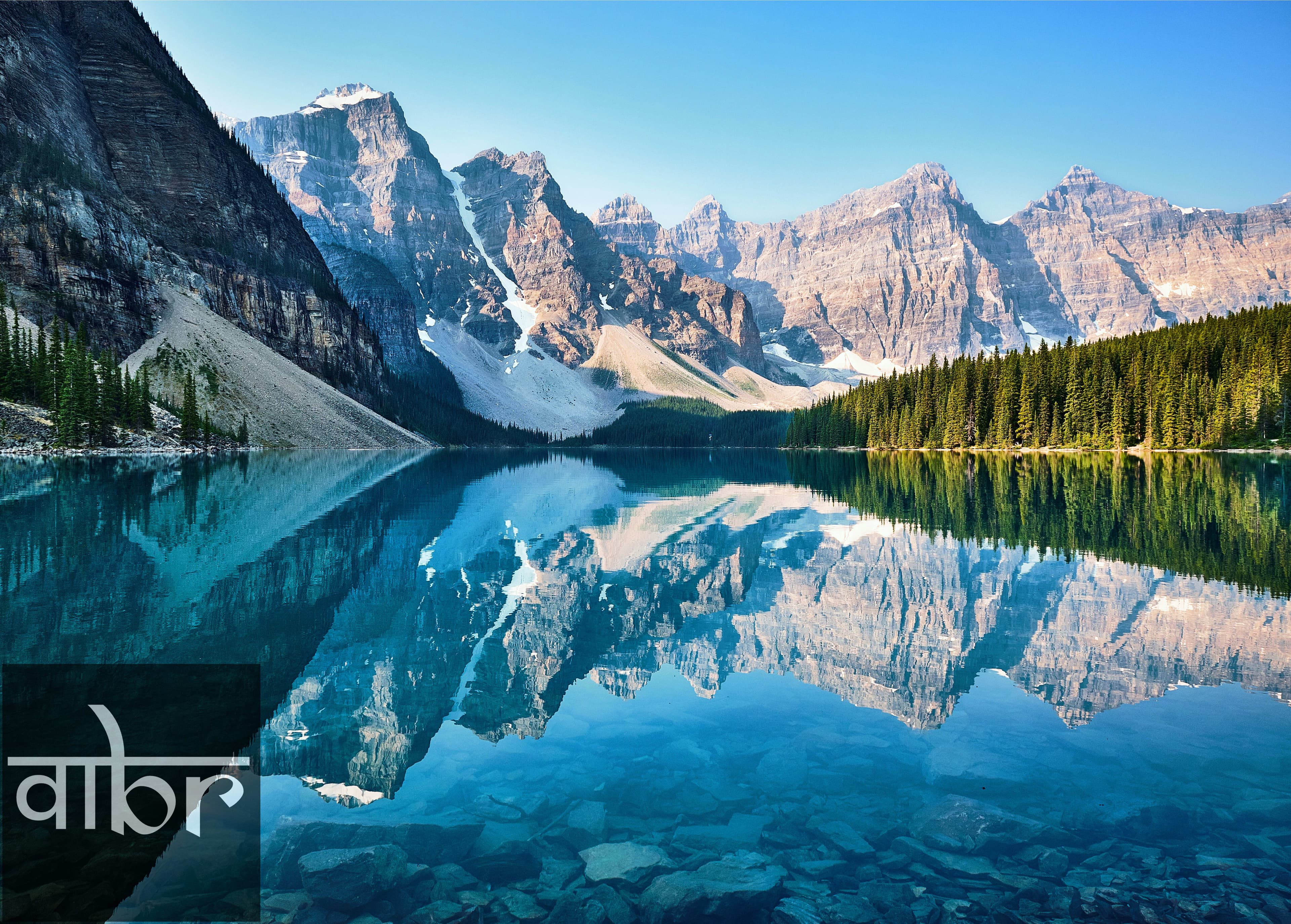
Established in 1885 as Canada’s first national park, Banff spans over 6,600 square kilometres of rugged glaciated terrain in the Alberta Rockies. Its landscape is defined by towering limestone peaks, dense subalpine forests, and striking turquoise waters fed directly by glacial melt.
Whether your itinerary prioritises morning paddles on mirror-still waters, high-elevation day hikes, or backcountry winter terrain, navigating Banff requires careful logistical planning around permits, seasonal road closures, and park transit.
The Iconic Glacial Lakes: Lake Louise and Moraine Lake
The distinct vivid colour of Banff’s lakes comes from glacial flour—extremely fine silt suspended in runoff that absorbs short wavelengths and reflects intense blue and green light.
Moraine Lake and the Valley of the Ten Peaks
Moraine Lake sits at an elevation of roughly 1,885 metres, framed by ten sheer rock summits. Because the access road is closed to personal vehicles to preserve local ecology and manage traffic, visitors must access the lake via Parks Canada shuttles, Roam Transit, commercial operators, or licensed tours. Shuttle reservations open in spring and sell out rapidly.
- Rockpile Trail: A brief, accessible 0.8-kilometre walk up the natural rock dam provides the classic elevated viewpoint.
- Consolation Lakes: For a less congested hike, this 5.8-kilometre round-trip trail leads through boulder fields to quieter alpine shores.
Lake Louise
Lake Louise serves as the central hub for water recreation and historic mountain hospitality, anchored on the eastern shore by the Fairmont Chateau Lake Louise.
- Paddling: Renting a canoe at the boathouse offers direct views toward Mount Victoria and Victoria Glacier.
- Lake Agnes Tea House: A popular 7.2-kilometre round-trip trek climbs 400 metres through switchbacks, passing Mirror Lake before reaching an operational alpine teahouse built in 1901.
- Plain of Six Glaciers: Continuing past Lake Agnes leads deep into the glacial valley along rugged moraines.
Mountain Panoramas and High-Elevation Lookouts
While the valley floors showcase lake basins, Banff’s surrounding summits offer open vistas across the Bow Valley corridor.
Sulphur Mountain and the Banff Gondola
Located just five minutes outside the Banff townsite, Sulphur Mountain reaches 2,281 metres. The Banff Gondola ascends 698 vertical metres in eight minutes, terminating at a multi-level summit facility. From the boardwalk, an easy 1-kilometre wooden pathway leads to the historic Sanson's Peak Meteorological Station.
Mount Norquay and Sunshine Meadows
Mount Norquay features an open-air chairlift and a via ferrata route for assisted rock climbing along sheer cliffs. In summer, Sunshine Village shifts from a ski resort into Sunshine Meadows, offering unrestricted access to high-altitude wildflowers spanning the continental divide between Alberta and British Columbia.
Location | Primary Attraction | Elevation | Access Type |
|---|---|---|---|
Moraine Lake | Valley of the Ten Peaks, Rockpile Trail | 1,885 m | Shuttle / Public Transit Only |
Lake Louise | Canoe rentals, Glacial views, Teahouses | 1,731 m | Shuttle, Paid Parking, Roam Transit |
Sulphur Mountain | 360-degree Bow Valley views, Boardwalk | 2,281 m | Gondola or 5.5 km hiking trail |
Sunshine Meadows | Subalpine hiking trails, Wildflower basins | 2,220 m | Sunshine Gondola / Shuttle |
Best Time to Visit Banff National Park
Seasonal timing heavily dictates trail accessibility, road status, and lake visibility.
- Summer (Late June to September): Optimal for hiking, alpine lake visits, and camping. High-elevation lakes thaw fully by mid-June, reaching peak water levels and vibrancy in July. Book accommodations and transit passes months ahead.
- Fall (Mid-September to Early October): Known locally as larch season, when subalpine needles turn golden yellow before shedding. The weather cools, and major summer crowds thin out noticeably.
- Winter (December to March): Ideal for winter sports across the 'Big 3' ski hills: Lake Louise Ski Resort, Banff Sunshine, and Mount Norquay. Winter brings cross-country skiing, ice skating on Lake Louise, and canyon ice-walks through Johnston Canyon.
- Spring (April to May): A transitional shoulder season. High trails remain snowbound or muddy, but lower-elevation paths thaw, and valley wildlife viewing opportunities increase.
Essential Visitor Logistics and Transit Tips
- National Park Pass: Every visitor requires a valid Parks Canada Discovery Pass or day pass while inside park boundaries. These can be purchased online or at highway entry gates.
- Use Public Transit: Parking lots at major trailheads, particularly Lake Louise, frequently fill before 7:00 AM in peak summer. The regional Roam Transit network connects the Banff townsite directly to Canmore, Lake Louise, Johnston Canyon, and the gondola.
- Bear Safety: Banff is active grizzly and black bear habitat. Always carry bear spray in an easily accessible holster, hike in groups, make continuous noise on trails, and never leave food or scented items unattended.
Plan early, verify seasonal trail conditions through Parks Canada advisories, and use local shuttle infrastructure to navigate the Bow Valley with minimal disruption.
Varta Brief Editorial Desk
• Newsroom StaffDedicated to objective, deep, and fact-verified reporting across technology, science, world affairs, and modern markets.
Follow Varta Brief on Google
Add Varta Brief as a preferred source to see our verified stories and daily briefings in Google Top Stories and Discover.
Found this briefing insightful?
Share it with your colleagues and community.