Best Backrooms YouTube Videos to Watch After the Movie

The cinematic adaptation of the internet phenomenon has sparked renewed interest in the eerie, yellow-hued labyrinth known as the Backrooms. For viewers captivated by the recent film release, diving deeper into the digital lore offers an expansive universe of unsettling corridors and liminal spaces. Long before the feature film made its way to the big screen, the digital mythos was being carefully crafted by independent creators on video platforms. Among these visionaries, one young filmmaker stands out for transforming simple online concepts into cinematic masterpieces that captivated millions of viewers across the globe. Understanding the roots of this viral phenomenon requires looking back at the digital origins that inspired the current cinematic wave and exploring the foundational works that defined the genre. The journey of internet horror has evolved significantly over the past few years, moving from simple forum posts and image macros into fully realized short films with professional production values. Viewers who recently experienced the cinematic version are now seeking out the original digital creations that started it all. This shift from independent digital platforms to mainstream media highlights the immense power of community-driven storytelling and viral internet culture. The transition of these eerie liminal spaces from web browsers to theaters marks a major milestone for online creators. Following the premiere of the movie, audiences are naturally curious about the digital origins of the project and the creative minds behind the viral clips. Exploring the broader digital landscape reveals how independent artists utilized accessible tools to build immersive, terrifying worlds that rival Hollywood productions in terms of atmosphere and tension. This comprehensive look at the ecosystem highlights why digital media continues to serve as a fertile ground for modern cinematic innovation.
The Rise of Kane Pixels and Independent Digital Horror
The phenomenon surrounding the liminal spaces owes a massive debt of gratitude to Kane Parsons, who began his filmmaking career operating under the moniker Kane Pixels. Starting out as a young creator experimenting with computer graphics and animation software, Parsons managed to capture the collective imagination of the internet. His viral videos redefined internet horror by introducing a unique blend of found footage aesthetics, analog horror tropes, and uncanny, infinite office spaces. Instead of relying on cheap jump scares, his work focused heavily on oppressive atmosphere, eerie sound design, and a pervasive sense of isolation. This mastery of tension quickly attracted a massive online following, turning simple personal projects into a viral sensation. As audiences filled theaters for the movie adaptation, many moviegoers realized that the foundations of this terrifying universe were laid years prior on a personal video channel. The transition from independent online publishing to high-profile filmmaking is a testament to the dedication and raw talent of creators who choose to share their visions with the world. Digital platforms have democratized media creation, allowing passionate individuals to bypass traditional gatekeepers and connect directly with global audiences. The success of these viral digital shorts proves that compelling storytelling and atmospheric dread matter far more than massive budgets when it comes to terrifying viewers. Fans of the recent film adaptation will find that exploring the original online shorts provides a deeper appreciation for the lore, the monsters, and the mysterious organizations that populate these endless, yellow-tinted rooms. The early digital works established a distinct visual language that heavily influenced subsequent cinematic adaptations, ensuring that the core aesthetic remained intact during the transition to the big screen.
Essential YouTube Content for New Fans
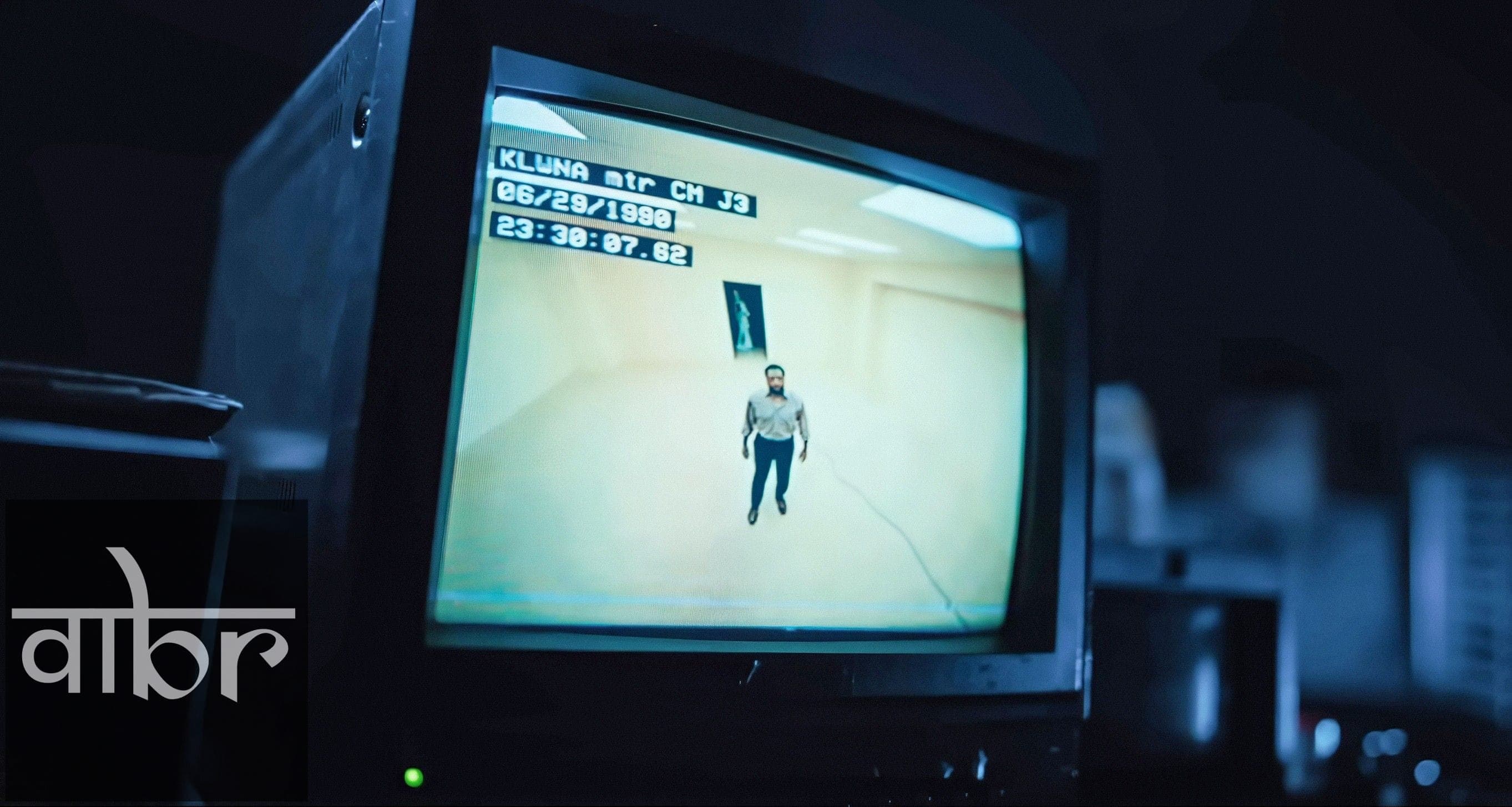
For anyone looking to dive into the digital archives following the release of the movie, sorting through the vast array of available content can feel overwhelming. However, several standout projects within the broader online ecosystem deserve immediate attention from fans seeking authentic thrills. These digital creations established the baseline rules, visual styles, and narrative structures that continue to define the mythos today. From sprawling investigative documentaries within the fictional universe to harrowing explorations of uncharted corridors, the video platform is packed with masterpieces of independent terror. Viewers should start by exploring the foundational uploads that introduced millions to the concept of noclipping into impossible dimensions. Each video builds upon the last, creating a complex, interconnected narrative told entirely through recovered cassette tapes, distorted audio logs, and VHS-quality recordings. This unique method of storytelling immerses the audience directly into the perspective of the unfortunate individuals who stumble across these strange environments. The pacing of these digital shorts is deliberately measured, allowing dread to seep in slowly as the camera pans across endless empty hallways and damp carpets. Watching these essential pieces of internet history after experiencing the theatrical release offers a fascinating study in contrast. It highlights how independent creators maximized limited resources to generate maximum psychological impact, proving that true terror often lurks in the unseen spaces just outside the camera's frame. The online community continues to expand upon these ideas, ensuring that the digital library remains a vibrant and evolving space for horror enthusiasts.
Analyzing the Visual Language of Liminal Spaces
The distinct visual signature of these viral videos relies heavily on the concept of liminality—transitional spaces that feel unnatural, abandoned, and deeply unsettling. Creators utilize retro 3D modeling software, classic operating system aesthetics, and VHS distortion filters to evoke a strong sense of nostalgia blended with dread. This specific combination triggers a psychological response in viewers who remember the generic, sterile office buildings and hotel corridors of the late twentieth century. By corrupting these familiar environments with impossible geometry and hostile entities, the creators tap into deeply rooted primal fears. The success of the cinematic adaptation is largely built upon translating this very specific visual language into a high-definition format without losing its signature analog charm. When analyzing the digital shorts, one can easily see the meticulous attention to detail poured into every flickering fluorescent light and peeling piece of wallpaper. The sound design plays an equally crucial role, featuring low-frequency drones, distant echoing footsteps, and sudden, deafening static that keeps the audience constantly on edge. This synergy between sight and sound creates an immersive experience that stays with the viewer long after the screen goes dark. Understanding these artistic choices provides valuable context for why the adaptation resonated so strongly with longtime followers of the trend and new audiences alike.
The transition of viral internet phenomena into mainstream cinema demonstrates a shifting landscape where digital creators lead the charge in defining modern horror aesthetics.
Key Takeaways
- The cinematic adaptation draws heavy inspiration from viral digital projects created by independent online artists.
- Kane Parsons, known online as Kane Pixels, pioneered the aesthetic through viral YouTube horror shorts.
- Exploring original digital videos offers viewers a deeper understanding of the established lore and atmosphere.
- Liminal spaces and analog horror tropes remain central to the appeal of both the web videos and the film.
- Independent digital platforms continue to serve as incubators for the next generation of cinematic talent.
Future Prospects and What Comes Next
As the dust settles following the theatrical run of the movie, the relationship between internet culture and mainstream Hollywood filmmaking enters an exciting new phase. The massive success of these digital-born projects proves that studios are increasingly willing to look toward online video platforms for fresh intellectual property and proven audience demand. For creators who started their careers uploading passion projects to video-sharing websites, this shift opens up unprecedented opportunities for major collaborations and expanded storytelling budgets. Fans can likely expect further expansions of this universe, whether through additional cinematic sequels, interactive digital experiences, or continued independent uploads from the original creators who mastered the aesthetic. The digital frontier remains unpredictable, but the enduring popularity of these unsettling office labyrinths ensures that audiences will not be leaving the maze anytime soon. Keeping an eye on upcoming digital projects will reveal whether other online horror creators follow a similar path from independent web publishing to major studio recognition. Ultimately, the boundary between internet culture and traditional cinema continues to blur, promising an innovative future for horror storytelling across all available platforms and screens.
📌 Related Briefings & Stories
Arjav
• Newsroom StaffDedicated to objective, deep, and fact-verified reporting across technology, science, world affairs, and modern markets.
Follow Varta Brief on Google
Add Varta Brief as a preferred source to see our verified stories and daily briefings in Google Top Stories and Discover.
Found this briefing insightful?
Share it with your colleagues and community.