PlayStation Patent Proposes NFC Payments via Controller

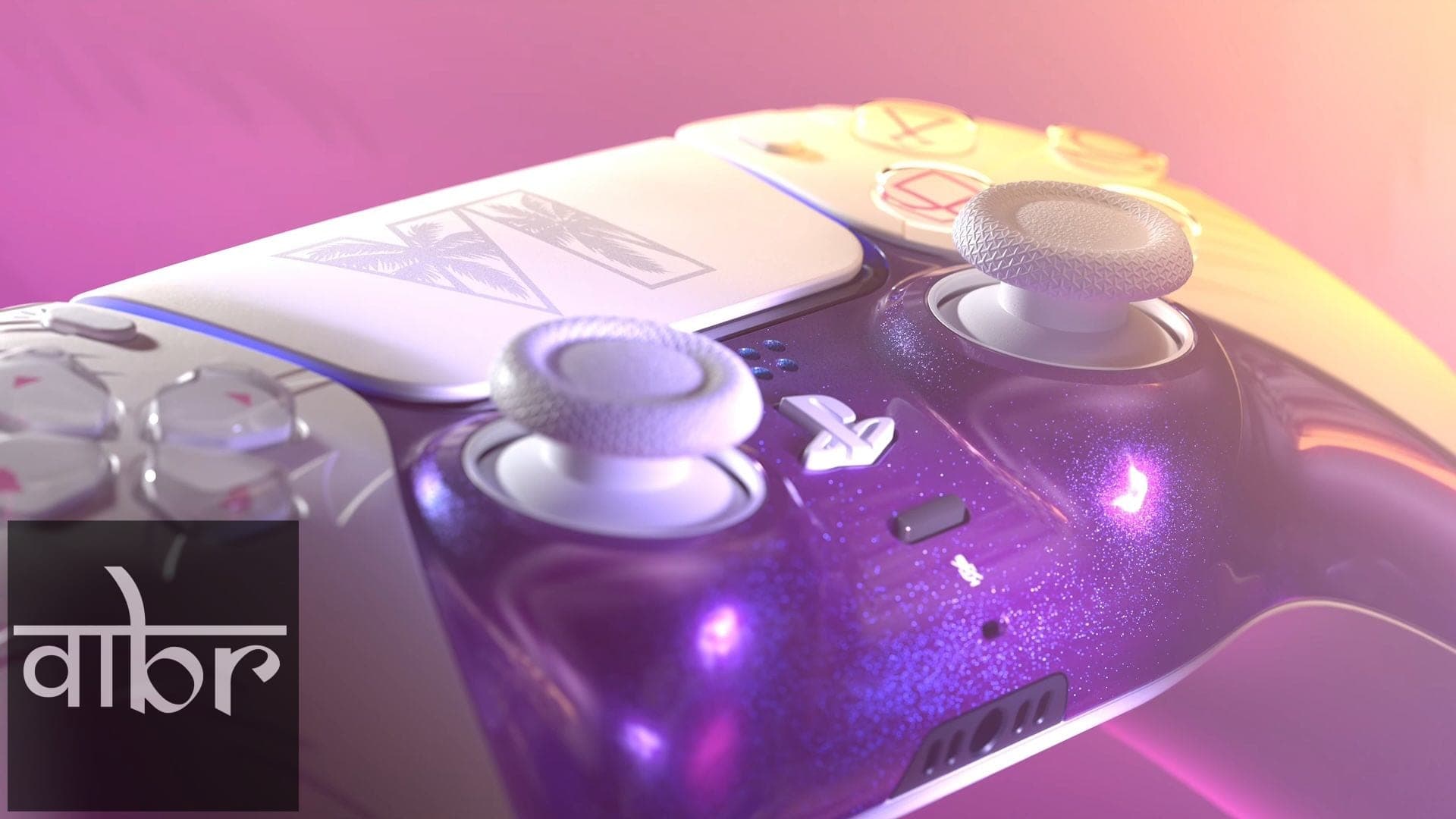
PlayStation has officially filed a fascinating new patent that introduces a potentially streamlined approach to managing financial transactions on gaming consoles. The core of this filing revolves around utilizing the hardware people already own in their hands to handle payments securely and efficiently. By leveraging near-field communication technology, the documentation outlines how a standard video game input device could soon interact with physical payment cards. This concept could fundamentally shift how users interact with digital storefronts and purchase downloadable content, subscriptions, or expansions directly through their primary gaming setup. Modern hardware ecosystems are constantly evolving to remove friction from consumer experiences, and this particular filing highlights a unique direction for hardware-integrated commerce. As digital distribution continues to dominate the video game industry, finding faster ways to complete transactions remains an ongoing priority for platform holders across the global market. The latest documentation surfaces intriguing possibilities for streamlining user interaction without requiring complex onscreen menu navigation or typing long card numbers with a directional pad.
Understanding the Patent Details
Patent filings offer a glimpse into the research and development pipelines of major technology corporations, showcasing concepts that may or may not reach commercial release. In this case, the filing describes a system where a controller could read cards via near-field communication technology to pay for digital goods. This functionality relies on embedding specialized hardware sensors directly into the shell or internal architecture of the input device. When a user wishes to buy downloadable content, add funds to a digital wallet, or purchase full games, they could simply bring a compatible payment card near the hardware peripheral. The device would then capture the required data securely and transmit it to the console system. This method removes the tedious process of entering credit card details using virtual keyboards, which has long been a common pain point for digital storefront visitors. While patents do not guarantee immediate product integration, they provide valuable insight into the engineering challenges and innovative solutions being explored by hardware designers. The concept demonstrates a clear focus on user convenience, aiming to make digital transactions as seamless as tapping a card at a standard retail checkout counter.
The Role of Near-Field Communication
Near-field communication technology is already ubiquitous in modern smartphones, wearable devices, and contactless retail payment terminals worldwide. Integrating this proven wireless protocol into a specialized video game controller represents a logical yet ambitious extension of existing consumer technology standards. By allowing the hardware to read cards via near-field communication technology to pay for digital goods, the system bridges the gap between traditional retail habits and digital console ecosystems. Contactless protocols are designed to transmit small amounts of data securely over very short distances, minimizing the risk of accidental scans or unauthorized signal interception during normal use. For gamers, this means that making a purchase could become as simple as a quick tap against the plastic casing of their favorite input device while browsing the digital marketplace. The technical implementation would require robust encryption protocols to ensure that sensitive financial data remains completely protected from potential vulnerabilities within the console environment. Hardware developers must balance accessibility with stringent security measures to maintain consumer trust when handling sensitive banking information through gaming peripherals. The exploration of these wireless communication standards highlights the continuous convergence of consumer electronics and modern financial technology platforms.
Impact on Digital Storefronts
Digital marketplaces have become the primary method for acquiring new software, expansions, and various entertainment media in the modern era. As storefronts expand to offer vast libraries of content, the speed and efficiency of the checkout process play a crucial role in maintaining high user engagement levels. Introducing alternative payment methods, such as utilizing a hardware peripheral equipped with contactless reading capabilities, could significantly reduce cart abandonment rates among consumers. When users can authorize transactions instantly using physical cards held against their input devices, the friction of buying digital goods is dramatically reduced. This streamlined approach benefits both the platform operator and the consumer by saving time and simplifying navigation through complex virtual storefront menus. Furthermore, households with multiple users could potentially manage individual accounts and payment methods more intuitively by associating specific cards with distinct hardware profiles. Although the patent focuses primarily on the technical mechanism of reading cards via near-field communication technology to pay for digital goods, the broader implications for digital commerce are substantial. The integration of convenient transaction options often leads to increased platform activity, as removing barriers to purchase encourages spontaneous buying behavior among active users.
Key Takeaways
- PlayStation filed a patent for using the DualSense controller to read payment cards via NFC.
- The system aims to simplify the purchase of digital goods and downloadable content on consoles.
- Contactless technology could eliminate the need for manual credit card entry via virtual keyboards.
- Patents represent developmental concepts and do not guarantee an immediate commercial product release.
- Security and encryption remain paramount in designing hardware-based financial transaction systems.
Analysis and Future Outlook
Evaluating the long-term viability of this patent requires looking closely at how console manufacturers traditionally innovate and adapt to market trends. The concept of utilizing a standard game controller for financial transactions is both novel and practical for modern digital ecosystems.
The filing suggests a future where hardware peripherals serve multiple purposes beyond traditional gameplay, blending entertainment systems with everyday financial convenience.
Industry analysts often note that reducing user friction is the most effective way to drive digital sales volume across any platform. If this technology eventually moves from the conceptual blueprint stage to actual manufacturing production, it could set a new standard for console commerce. However, regulatory hurdles, regional banking compliance standards, and hardware manufacturing costs will all influence whether such a feature becomes widely available to the public. For now, consumers can only observe these developmental steps as an indicator of where hardware design might head in the coming years. PlayStation continues to evaluate various methods to enhance user convenience, ensuring that its ecosystem remains competitive in an increasingly digital marketplace.
Conclusion and Next Steps
As the video game industry moves further away from physical media, the reliance on efficient digital payment solutions will only continue to grow. While the recent patent filing outlines a compelling method for letting users tap cards to complete transactions, actual implementation remains entirely speculative until official announcements are made by the company. Hardware patents are frequently filed to protect intellectual property long before engineering teams finalize product specifications for mass production. Observers and enthusiasts will need to wait for future hardware revisions or official corporate statements to determine if this contactless payment concept will ever materialize in consumer living rooms. Until then, standard digital wallet methods and manual entry systems will remain the primary ways players fund their digital purchases on modern gaming consoles.
📌 Related Briefings & Stories
Arjav
• Newsroom StaffDedicated to objective, deep, and fact-verified reporting across technology, science, world affairs, and modern markets.
Follow Varta Brief on Google
Add Varta Brief as a preferred source to see our verified stories and daily briefings in Google Top Stories and Discover.
Found this briefing insightful?
Share it with your colleagues and community.