Best Backrooms YouTube Videos to Watch After the Movie

The fascination with liminal spaces and internet lore has reached a massive new milestone with the release of the feature film adaptation. Audiences leaving theater seats are now searching for more unsettling hallways and analog horror experiences online. For those who want to dive deeper into this eerie aesthetic, the digital ecosystem offers plenty of spine-chilling content to explore. The internet has cultivated a vast universe of liminal horror, and finding the right starting point can feel like navigating an endless labyrinth of yellow wallpaper.
Long before Hollywood greenlit a cinematic version of the internet phenomenon, independent creators were already building sprawling narrative universes on video-sharing platforms. Among these visionary digital artists, Kane Parsons stands out as a true pioneer of the genre. Uploading under the moniker Kane Pixels, his filmmaking career took off when his viral conceptual shorts captured the collective imagination of internet users worldwide. His uncanny ability to mimic found-footage styles and early computer graphics brought a terrifying realism to the concept of noclipping out of bounds.
The Rise of Kane Pixels and Viral Liminal Horror
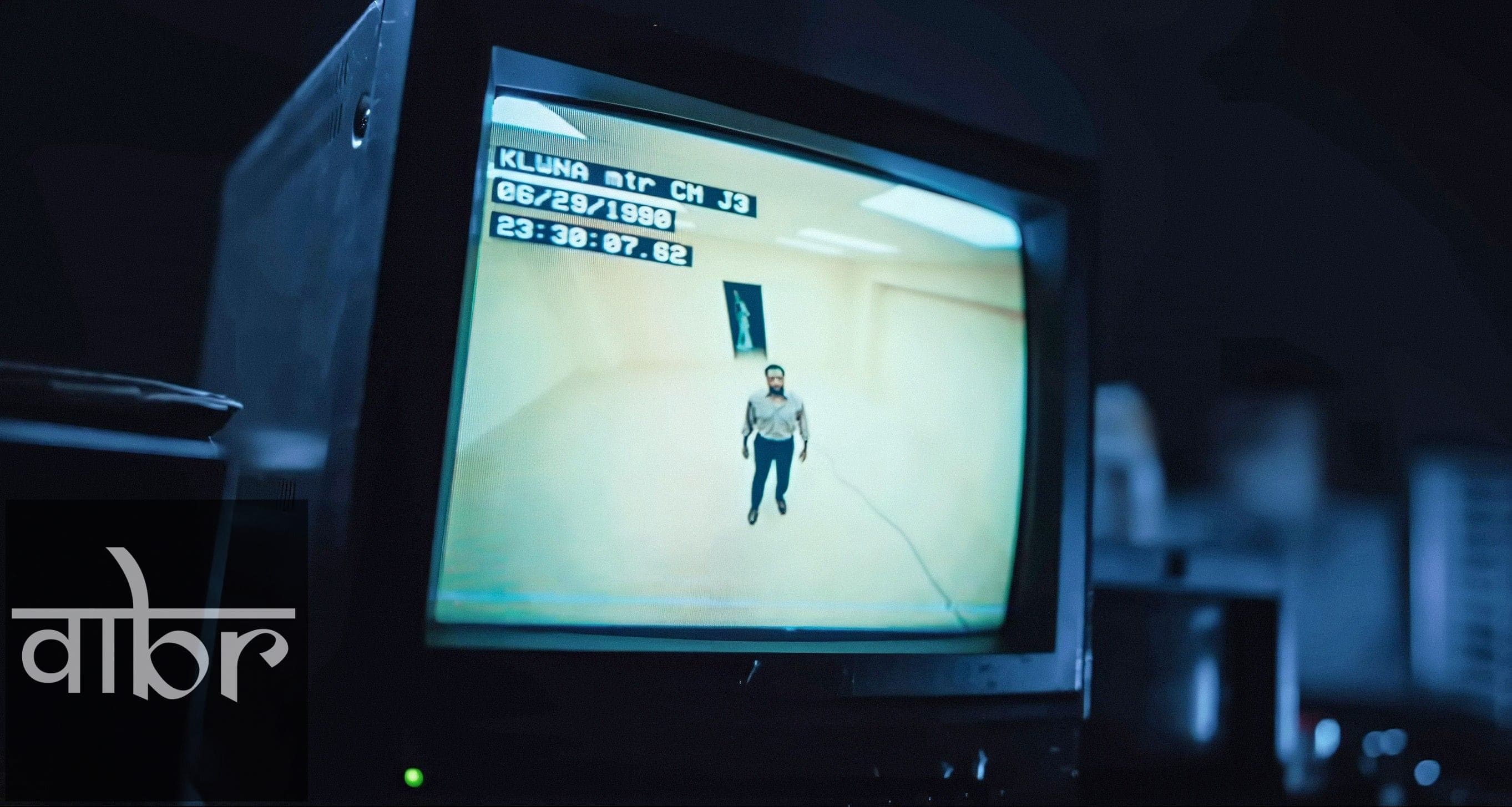
When exploring the digital history of this phenomenon, understanding the contributions of Kane Parsons is essential. His early projects established a high watermark for independent horror filmmaking on the internet. By utilizing standard 3D animation software and blending it with vintage television aesthetics, he crafted a distinct visual language that resonated with millions of viewers. The eerie atmosphere he created relies heavily on silence, buzzing fluorescent lights, and sudden disruptions in reality.
Many fans who have just experienced the theatrical adaptation are eager to revisit the foundational works that started the entire craze. Watching the original digital shorts provides a fascinating look at how a simple internet myth evolved into a cinematic reality. The creative vision of Kane Parsons proved that compelling horror does not require a Hollywood budget; instead, it thrives on atmosphere, mystery, and clever pacing. Viewers looking to understand the roots of the current cinematic trend will find these online masterclasses in tension building both impressive and deeply unsettling.
Essential Viewing Beyond the Big Screen
Transitioning from a feature-length production back to digital platforms offers a different kind of viewing experience. The original online shorts often feel more intimate and raw compared to polished studio productions. Creators in this space understand how to manipulate viewer expectations using minimal dialogue and unsettling sound design. Each clip acts as a small puzzle piece in a much larger, unspoken narrative about corporate conspiracy and dimensional displacement.
For enthusiasts wanting to recreate that initial feeling of discovery, diving into the curated lists of top digital shorts is the best approach. These productions capture the essence of being lost in a maze of empty rooms where time loses all meaning. The digital landscape continues to expand as new creators take inspiration from early pioneers, pushing the boundaries of what independent horror can achieve on public viewing platforms.
The transition of internet lore from viral video clips to major cinematic releases marks a significant shift in how modern entertainment is generated and consumed by global audiences.
Key Takeaways
- The cinematic adaptation has sparked renewed interest in original internet horror content.
- Kane Parsons, known online as Kane Pixels, launched a successful filmmaking career through viral digital shorts.
- Digital horror relies heavily on analog aesthetics, found-footage styles, and atmospheric tension.
- Viewers can find numerous high-quality independent projects on video-sharing platforms to extend their viewing experience.
Analysis of the Modern Horror Landscape
The intersection between independent internet culture and mainstream cinema represents a fascinating evolution in media consumption. Historically, urban legends and creepypastas remained confined to text forums and niche websites. Today, talented young creators can build entire cinematic universes from their home computers and eventually catch the attention of major studios. This shift democratizes storytelling, allowing unique artistic voices to break through traditional industry barriers.
The success of these digital projects highlights a growing appetite for ambiguous, atmospheric horror among modern audiences. Instead of relying on traditional jump scares, these stories tap into existential dread and the fear of the unknown. As the ecosystem continues to grow, fans can anticipate even more creative crossovers between independent digital platforms and traditional cinematic distribution models in the future.
📌 Related Briefings & Stories
Arjav
• Newsroom StaffDedicated to objective, deep, and fact-verified reporting across technology, science, world affairs, and modern markets.
Follow Varta Brief on Google
Add Varta Brief as a preferred source to see our verified stories and daily briefings in Google Top Stories and Discover.
Found this briefing insightful?
Share it with your colleagues and community.