
PlayStation Patent Proposes NFC Payments via Controller

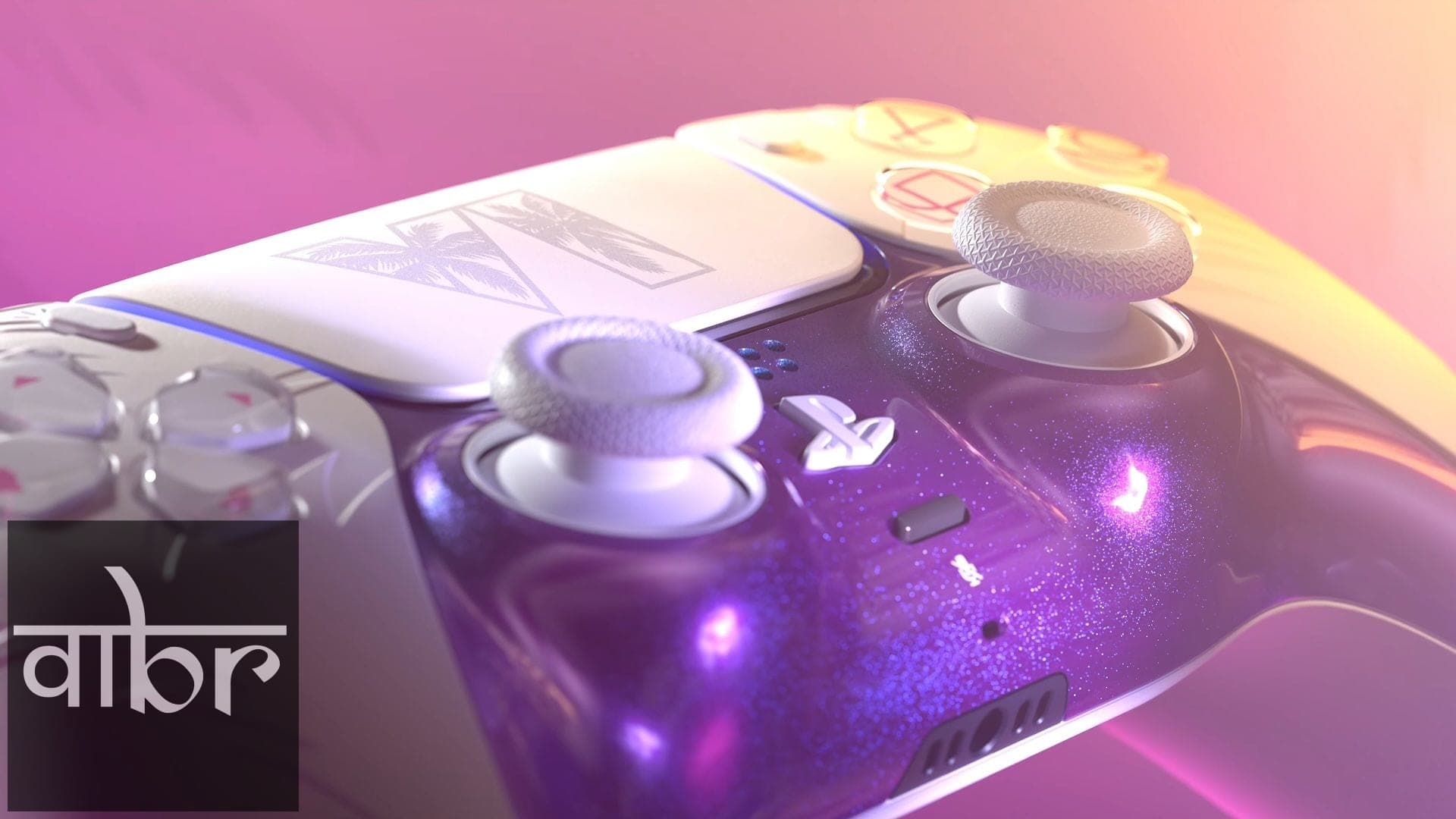
PlayStation has filed an interesting patent that introduces a novel method for users to purchase digital goods through gaming hardware. In an era where digital transactions dominate the video game industry, streamlining the payment process remains a priority for platform holders. This recently uncovered documentation reveals a system designed to integrate Near Field Communication technology directly into gaming peripherals. By embedding this hardware into the standard gamepad, the ecosystem aims to make transactions much faster and far more direct for consumers worldwide. The filing specifically outlines how everyday hardware could soon double as a secure payment terminal.
Gaming ecosystems have evolved significantly over the past decade, moving away from physical media toward purely digital libraries. As more players buy downloadable content, expansions, and in-game currency, the friction of entering credit card information repeatedly has become a noticeable pain point. Traditional payment methods often require navigating multiple menus, typing long card numbers with a directional pad, or authenticating through external web browsers. The new patent from PlayStation offers a hardware-based alternative that bypasses traditional on-screen typing entirely. Players could theoretically tap a card against their input device to instantly authorize a transaction.
Understanding the Patent Mechanics
The core of the newly discovered patent centers on equipping the PlayStation peripheral with standard short-range wireless communication capabilities. According to the available documentation, the hardware would feature a built-in sensor capable of reading card information securely. When a user wishes to buy a digital item, the system prompts them to bring a contactless card near a designated zone on the gamepad. The sensor reads the necessary data and transmits it to the console for verification. This mechanism mirrors the contactless payment methods commonly used in retail stores and public transportation systems today.
Integrating hardware features of this nature requires careful engineering to maintain the structural integrity and ergonomics of the input device. The standard gamepad is already packed with advanced feedback motors, adaptive triggers, and internal batteries. Adding an antenna and processing chip must be done without negatively affecting comfort or battery efficiency. While patents do not always translate into final consumer products, they provide a clear window into the long-term research and development priorities of major technology corporations.
Streamlining Digital Goods Purchases
Buying downloadable content and virtual items is a daily occurrence for millions of active gamers across the globe. From seasonal battle passes to full game downloads, the digital marketplace generates massive revenue for platform operators. However, security concerns and cumbersome input methods can occasionally deter casual spenders. By utilizing hardware-level authentication, the platform could reduce cart abandonment rates and simplify microtransactions. Users would no longer need to link traditional banking credentials directly to their online console profile if they prefer a physical tap-to-pay workflow.
Convenience is a major driving factor in modern e-commerce, and the entertainment sector is no exception. Reducing the number of steps required to complete a purchase can significantly influence consumer behavior. When transactions feel instantaneous and effortless, users are more likely to complete small digital purchases without hesitation. Whether this technology will eventually support mobile wallet integration alongside physical cards remains to be seen, as the current documentation primarily focuses on standard contactless card reading functions.
Industry Reactions and Technological Context
Tech enthusiasts and industry analysts have closely examined the filing to understand its potential market impact. While hardware innovations are common in the interactive entertainment space, modifying input devices to handle financial transactions is a distinct step. Competitors in the hardware market have occasionally experimented with alternate input features, but direct financial reader integration represents a unique approach to digital commerce. The overarching goal appears to be minimizing friction between the player and the store interface, making digital shopping as seamless as possible.
It is important to remember that companies file numerous experimental documents every year that never progress past the conceptual phase. Patent applications serve to protect intellectual property and outline potential pathways for future engineering efforts rather than confirming an upcoming product launch. Consumers should view this development as an exploration of future possibilities rather than an immediate hardware announcement. Nevertheless, it highlights the continuous drive toward more integrated and responsive console ecosystems.
The discovery of this patent sheds light on how hardware manufacturers are constantly exploring ways to merge everyday financial technologies with interactive entertainment platforms, prioritizing user convenience.
Key Takeaways
- PlayStation has filed a patent detailing an input device equipped with a card-reading sensor.
- The system utilizes short-range wireless communication to process purchases for digital goods.
- The proposed method aims to reduce the friction of typing card details on screen.
- Patents represent research concepts and do not guarantee an immediate commercial release.
Future Outlook and Analysis
Looking ahead, the implementation of such technology would depend heavily on regional financial regulations and security standards. Handling sensitive payment data requires rigorous encryption and compliance with international banking protocols. If PlayStation decides to move forward with prototype development, extensive testing would be required to ensure absolute data safety for consumers. For now, the filing remains an intriguing glimpse into how the future of console commerce might evolve to meet the demands of an increasingly digital marketplace.
📌 Related Briefings & Stories
Arjav
• Newsroom StaffDedicated to objective, deep, and fact-verified reporting across technology, science, world affairs, and modern markets.
Follow Varta Brief on Google
Add Varta Brief as a preferred source to see our verified stories and daily briefings in Google Top Stories and Discover.
Found this briefing insightful?
Share it with your colleagues and community.