Doctor Who's Most Unhinged Episode Revisited

Television history is filled with long-running series that constantly reinvent themselves, yet very few franchises manage to capture the cultural zeitgeist quite like the BBC sci-fi staple about a time-traveling alien. Over the decades, the series has undergone numerous transformations, introducing various incarnations of its iconic protagonist and shifting narrative tones to match the eras in which they aired. Viewers have witnessed moments of profound heroism, devastating heartbreak, and staggering cosmic scale. However, some of the most compelling television emerges when a production team decides to strip away the glossy heroism and examine the darker, more unsettling psychological depths of a beloved lead character. This willingness to explore narrative discomfort allows audiences to see a familiar universe through a completely different lens, questioning the moral boundaries of characters who usually save the day.
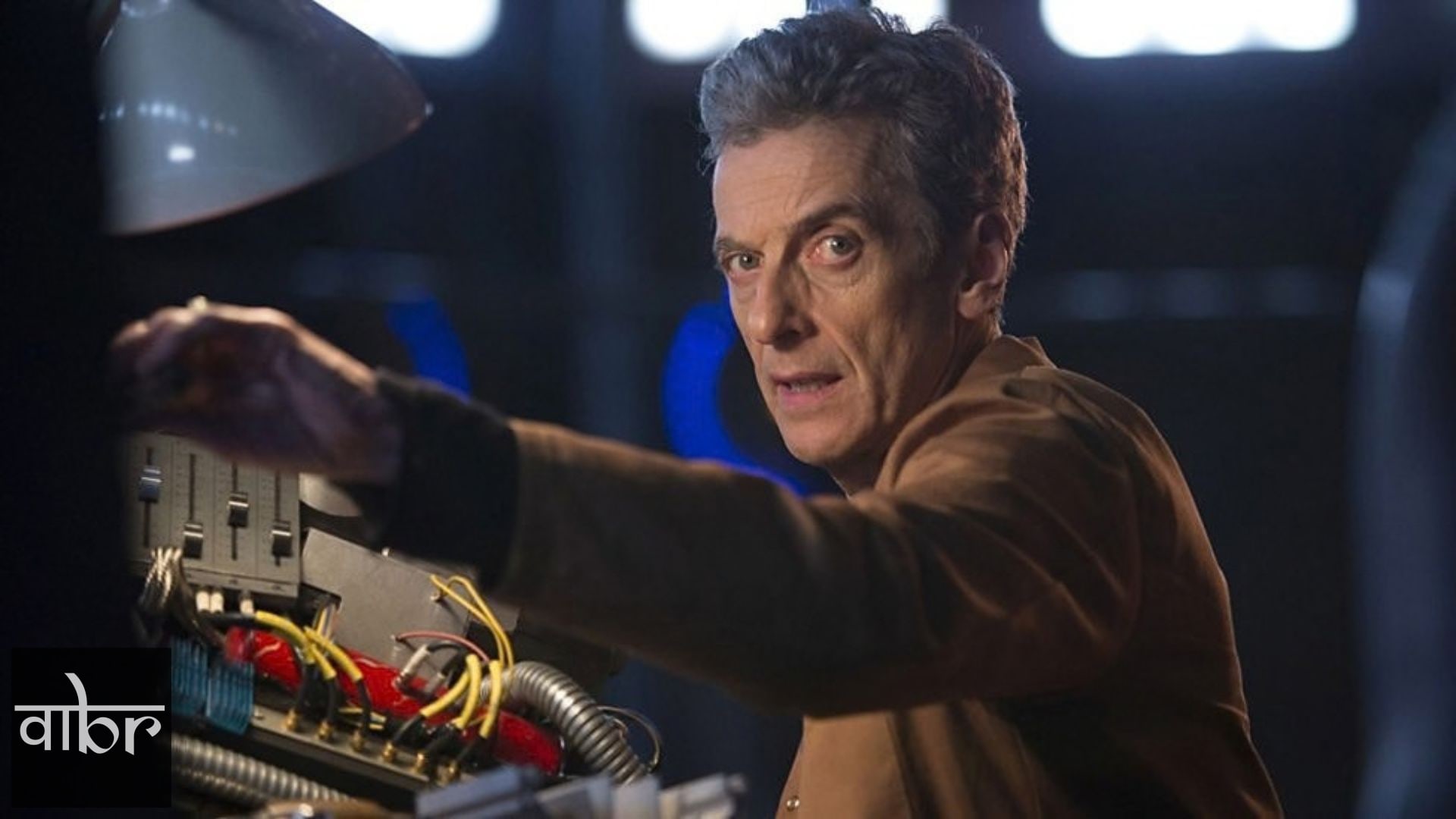
When Peter Capaldi assumed the mantle of the iconic Time Lord, he brought a sharp, intense, and older energy to the role that immediately distinguished his tenure from his immediate predecessors. Fans and critics alike noted that his performance leaned heavily into a brusque exterior, challenging the audience to sympathize with a protagonist who was not always immediately warm or approachable. Twelve years ago, a specific installment in his run aired that captured this abrasive energy perfectly, showcasing the character at his absolute lowest and most erratic. This particular narrative pushed boundaries by refusing to soften the edges of the protagonist, presenting a deeply flawed individual struggling with his own identity and cosmic responsibilities. It remains a fascinating landmark in the history of the show, proving that the writers were willing to take significant creative risks with their leading man.
Understanding the Twelfth Doctor Era
The arrival of Peter Capaldi as the twelfth iteration of the character marked a deliberate pivot away from the more youthful, eccentric charm of the previous two lead actors. Instead, the production team opted for a performer with dramatic gravitas, capable of delivering biting sarcasm and intense emotional outbursts. This iteration was defined by an initial uncertainty regarding his own moral standing, famously asking whether he was a good man shortly after his regeneration. This existential questioning hung over his early adventures, creating an underlying tension that influenced every interaction he had with his companions and the wider universe. The performance demanded attention, often unsettling viewers who had grown accustomed to a more comforting, reassuring heroic archetype. It was an approach that rewarded patient viewing, slowly peeling back layers of cynicism to reveal complex motivations beneath the surface.
During this transitional era, the narrative structure often focused on interpersonal dynamics rather than purely cosmic threats. The inclusion of companion characters who pushed back against the protagonist's harsh demeanor proved essential for grounding the stories. These supporting figures served as moral compasses, refusing to tolerate cruel behavior and forcing the protagonist to confront his own shortcomings. This dynamic generated some of the most memorable character clashes in modern television, as pride and intellect frequently collided with everyday human empathy. The tension between unmatched cosmic power and ordinary human decency provided endless fodder for character development, allowing the writers to craft intricate psychological portraits within standard science-fiction frameworks.
A Closer Look at the Controversial Episode
Among the many memorable installments of this specific television era, one particular story stands out for how uncompromisingly it portrayed the title character's abrasive and difficult personality. Rather than positioning the protagonist as a universally beloved savior, the narrative placed him in a domestic environment that highlighted his complete lack of tact and social grace. His interactions with everyday people exposed a staggering arrogance, demonstrating how disconnected a centuries-old alien could be from normal human concerns and emotional vulnerabilities. This specific outing did not shy away from making the protagonist genuinely unlikable at times, challenging the audience's loyalty and sparking widespread discussion among the fanbase about the limits of heroic characterization.
The narrative brilliance of this divisive installment lay in its refusal to offer easy redemptions or comforting resolutions. The protagonist's behavior was erratic, occasionally crossing the line into emotional cruelty, which shocked viewers who expected traditional heroic behavior. By isolating the character within a mundane Earth setting, the writers magnified his eccentricities and flaws, turning minor misunderstandings into major dramatic conflicts. This unvarnished portrayal demonstrated that the creative team was not interested in sanding down the rough edges of Peter Capaldi's performance. Instead, they leaned directly into the discomfort, creating a viewing experience that felt risky, raw, and entirely distinct from standard episodic television.
The brilliance of this era of the series lies in its fearless exploration of an unpolished protagonist who struggles with basic empathy, reminding viewers that immense cosmic power does not automatically translate into emotional maturity.
Fan Reactions and Critical Reappraisal
When the installment originally broadcasted twelve years ago, fan reaction was notably polarized, reflecting the broader debates surrounding Peter Capaldi's initial year in the role. Traditionalists who preferred a softer, more accessible hero found the protagonist's harshness difficult to digest, while others praised the refreshing honesty and psychological depth of the storytelling. Over the subsequent years, however, critical perspective has largely shifted in favor of this daring narrative direction. Viewers have come to appreciate the courage it took to present a protagonist who was genuinely difficult to love, arguing that such risks are precisely what keep a long-running franchise vibrant and relevant in a crowded television landscape.
Retrospective analysis often highlights how this divisive entry laid important groundwork for the emotional evolution that defined the remainder of the Twelfth Doctor's tenure. Without this baseline of absolute unhinged behavior and alien detachment, the later moments of profound warmth and mentorship would not have carried the same emotional weight. The contrast between his early abrasive tendencies and his later protective grace forms a complete, satisfying character arc that rewards those who followed the journey from start to finish. It stands as a testament to the fact that compelling storytelling sometimes requires alienating the audience momentarily in order to achieve a deeper, more resonant thematic payoff.
Key Takeaways
- Peter Capaldi's tenure introduced a sharper, more abrasive interpretation of the iconic Time Lord character.
- A specific installment from twelve years ago showcased the protagonist at his most unhinged and difficult.
- The narrative prioritized psychological realism and domestic friction over traditional space-faring heroics.
- Initial fan polarization has gradually shifted into widespread critical appreciation for the daring creative choices.
- This uncomfortable character exploration ultimately enabled a richer and more rewarding long-term character arc.
Conclusion and Legacy
As time has progressed, the legacy of this controversial era continues to influence how modern science fiction approaches complex, flawed protagonists. The willingness to alienate viewers in service of character truth remains a rare and admirable quality in contemporary television production. While future iterations of the series may adopt different tones and stylistic approaches, the bold choices made twelve years ago will forever stand as a high-water mark for dramatic ambition within the franchise. Fans will undoubtedly continue to debate the merits and flaws of these classic episodes for years to come, ensuring that the turbulent journey of the Twelfth Doctor remains a vital cornerstone of television history.
📌 Related Briefings & Stories
Arjav
• Newsroom StaffDedicated to objective, deep, and fact-verified reporting across technology, science, world affairs, and modern markets.
Follow Varta Brief on Google
Add Varta Brief as a preferred source to see our verified stories and daily briefings in Google Top Stories and Discover.
Found this briefing insightful?
Share it with your colleagues and community.