Star Trek Officially Switched Genres 58 Years Ago

Fifty-eight years ago, the iconic television franchise known as Star Trek officially switched genres with the broadcast of an all-time classic episode that fundamentally altered its storytelling trajectory. For fans and critics alike, this landmark installment proved that science fiction television could successfully venture into entirely different creative territories without losing its core identity. Before this specific broadcast, the series was primarily recognized for exploring strange new worlds, seeking out new life civilizations, and dealing with straightforward cosmic diplomacy or starship combat. However, the creative direction shifted dramatically when the production team decided to lean heavily into clandestine operations, tactical deception, and high-stakes political maneuvering among interstellar factions. This pivotal shift redefined what audiences could expect from a standard weekly adventure set aboard a futuristic starship.
The Genesis of Star Trek Espionage
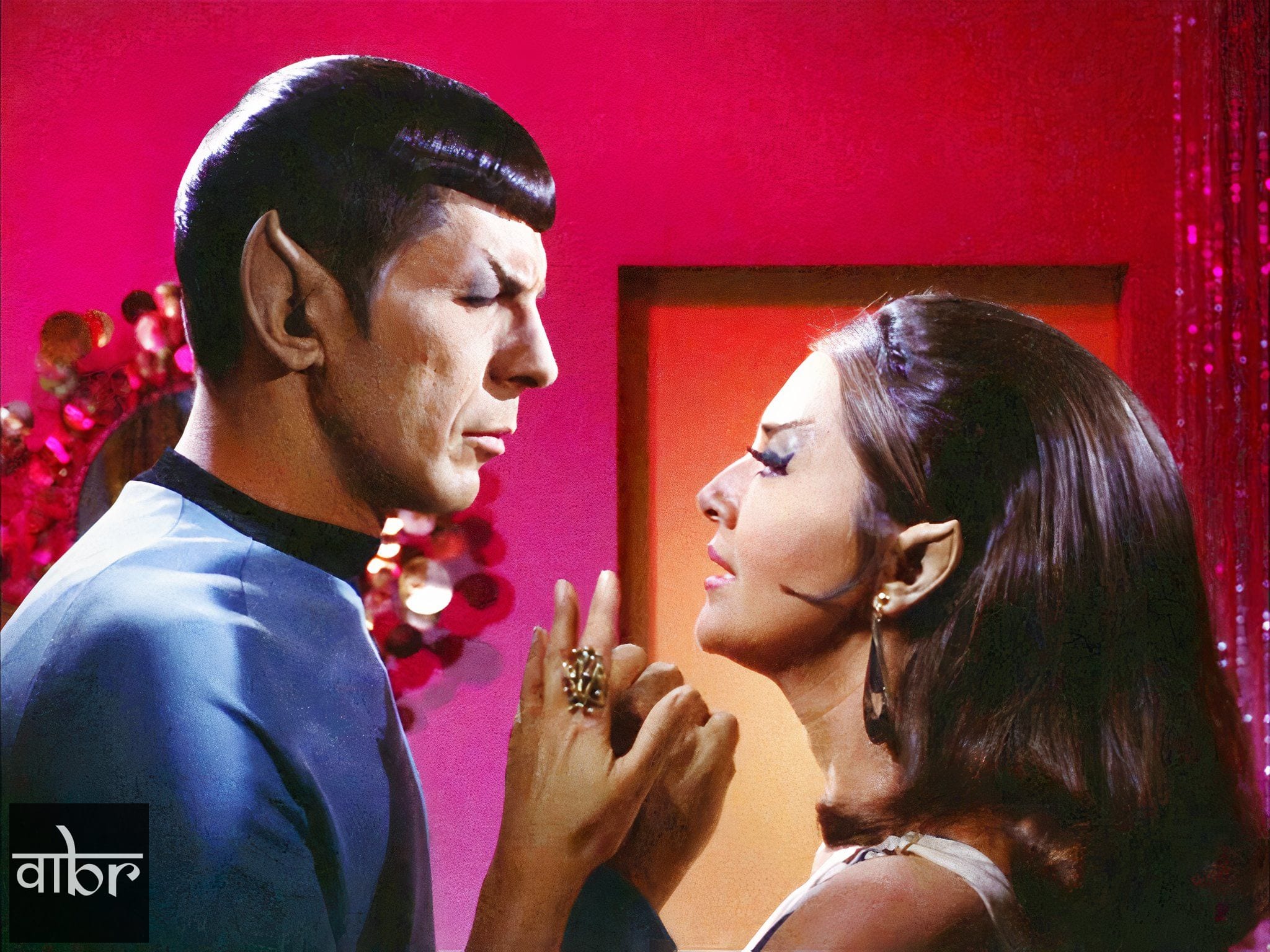
The episode titled "The Enterprise Incident" turned Captain Kirk and Commander Spock into secret agents, embedding them in a complex web of espionage that laid crucial groundwork for decades of subsequent storytelling within the broader franchise. Rather than relying on traditional space exploration tropes, the narrative focused on intricate plots, tactical deception, and covert operations behind enemy lines. By thrusting beloved characters into the shadowy underworld of interplanetary intrigue, the show expanded its narrative horizons significantly. This creative pivot proved that the universe created by Gene Roddenberry was flexible enough to accommodate gritty thriller elements alongside philosophical science fiction debates.
Throughout the narrative of "The Enterprise Incident," the central characters are required to navigate dangerous territory involving a foreign military power. The mission demands absolute secrecy, forcing the iconic duo to adopt unusual personas and execute complex maneuvers that test their loyalty and intellect. This dramatic departure from routine protocol captivated viewers fifty-eight years ago and continues to be analyzed by media scholars today. The blending of futuristic technology with classic spy thriller tropes created a unique viewing experience that stood out during the original television broadcast run.
Transforming Kirk and Spock Into Spies
Turning Kirk and Spock into spies required a delicate balancing act to ensure that the core traits of these celebrated characters remained intact while they engaged in covert activities. Captain Kirk had to project an uncharacteristic hostility and erratic behavior, while Commander Spock seemingly aligned himself with the opposing faction, creating genuine dramatic tension for the audience watching at home. This psychological chess match between familiar heroes and their tactical adversaries formed the backbone of the episode's enduring appeal. Viewers were kept guessing about the true nature of the mission until the very final moments of the broadcast.
The execution of this espionage plotline required precise pacing and strong performances from the lead actors. William Shatner and Leonard Nimoy delivered compelling portrayals that sold the high-stakes deception to the viewing audience. The transition from straightforward interstellar explorers to cunning operatives working in the shadows demonstrated the incredible versatility of the main cast. This willingness to experiment with genre conventions helped secure the longevity of the television property, proving that it could evolve beyond standard adventure formats.
"The Enterprise Incident turned Kirk and Spock into spies and helped lay the groundwork for decades of Star Trek espionage." — Historical Retrospective Analysis
Long-Term Impact on Franchise Storytelling
The legacy of "The Enterprise Incident" extends far beyond its initial broadcast date, influencing how future iterations of the franchise handled intelligence agencies, secret operations, and covert diplomacy. Subsequent series within the expanded television universe frequently revisited espionage themes, drawing direct inspiration from the groundwork laid fifty-eight years ago. Whether dealing with covert rogue factions, clandestine operative networks, or political conspiracies, modern writers have continually returned to the spy thriller playbook established during this classic era of television history.
By demonstrating that science fiction and espionage could successfully coexist, the original series opened doors for more nuanced and morally ambiguous storytelling. Characters in later spin-offs and movies frequently found themselves operating in gray areas where standard Starfleet regulations did not provide easy answers. This evolution enriched the fictional universe, making the geopolitical landscape feel more realistic, complex, and unpredictable for generations of dedicated fans.
Key Takeaways
- Fifty-eight years ago, Star Trek officially shifted its traditional format toward the spy thriller genre.
- The classic episode "The Enterprise Incident" placed Captain Kirk and Commander Spock into clandestine agent roles.
- The storyline successfully introduced complex espionage elements into science fiction television.
- This narrative experimentation paved the way for decades of future spy-themed storytelling within the franchise.
- The broadcast proved the remarkable versatility of the central characters and the overarching fictional universe.
Critical Analysis of Genre Shifting
Analyzing the historical context of fifty-eight years ago reveals why this specific stylistic pivot resonated so deeply with television audiences of that era. During the late nineteen-sixties, espionage thrillers were immensely popular in mainstream popular culture, largely driven by contemporary global events and cinematic trends. By incorporating these popular elements into a science fiction setting, the production team capitalized on prevailing viewer interests while maintaining the intellectual depth that distinguished the series from its contemporaries.
Furthermore, the success of this espionage-focused narrative demonstrated that serialized or high-tension standalone stories could engage viewers on a psychological level. Instead of relying solely on external threats or planetary phenomena, the conflict emerged from psychological manipulation, political subterfuge, and tactical brinkmanship. This approach not only elevated the quality of the specific episode but also set a high standard for future dramatic writing across the entire science fiction genre.
As we look back at the milestone reached fifty-eight years ago, it becomes abundantly clear that experimenting with genre boundaries was essential for the survival and cultural endurance of the franchise. The willingness to transform heroic explorers into undercover operatives proved that great storytelling relies on adaptability, courage, and creative innovation. The impact of this strategic shift will undoubtedly continue to resonate as new generations of fans discover the enduring brilliance of this classic television broadcast.
📌 Related Briefings & Stories
Arjav
• Newsroom StaffDedicated to objective, deep, and fact-verified reporting across technology, science, world affairs, and modern markets.
Follow Varta Brief on Google
Add Varta Brief as a preferred source to see our verified stories and daily briefings in Google Top Stories and Discover.
Found this briefing insightful?
Share it with your colleagues and community.