Twilight Zone's Most Emotional Episode In Praise Of Pip

The enduring legacy of classic television remains a fascinating subject for modern audiences and critics alike, especially when examining landmark anthology series. Decades after its original broadcast, iconic television programming continues to resonate with viewers across generations. Among the vast catalog of groundbreaking speculative fiction, specific installments stand out for their profound dramatic weight. This historical context brings us directly to a celebrated milestone in television history. More than sixty years after its initial airing, fans and critics continue to evaluate the dramatic merits of legendary anthology entries. The cultural footprint left by these classic television broadcasts proves that powerful storytelling transcends eras. Viewers watching today still find deep narrative resonance within these vintage television productions. When examining the broad scope of mid-century television drama, certain creative achievements demand special recognition.
The Dramatic Legacy of Rod Serling
Rod Serling established a towering reputation as a master storyteller through his groundbreaking television work. His ability to blend speculative elements with deeply human narratives created a timeless viewing experience. Every script he crafted carried an emotional urgency that connected with audiences on a profound level. Viewers tuning into the legendary anthology series always expected thought-provoking narratives that challenged societal norms. The creative vision behind the production consistently prioritized character development over mere spectacle. This commitment to genuine human emotion is precisely why the series maintains its sterling reputation today. Examining the historical impact of these episodes reveals a dedication to superior dramatic craftsmanship. The writing consistently addressed universal themes of regret, redemption, and familial bonds. Such thematic depth ensured that individual installments would be remembered long after their initial broadcast dates. The creative team consistently pushed the boundaries of what television could achieve.
Exploring In Praise of Pip
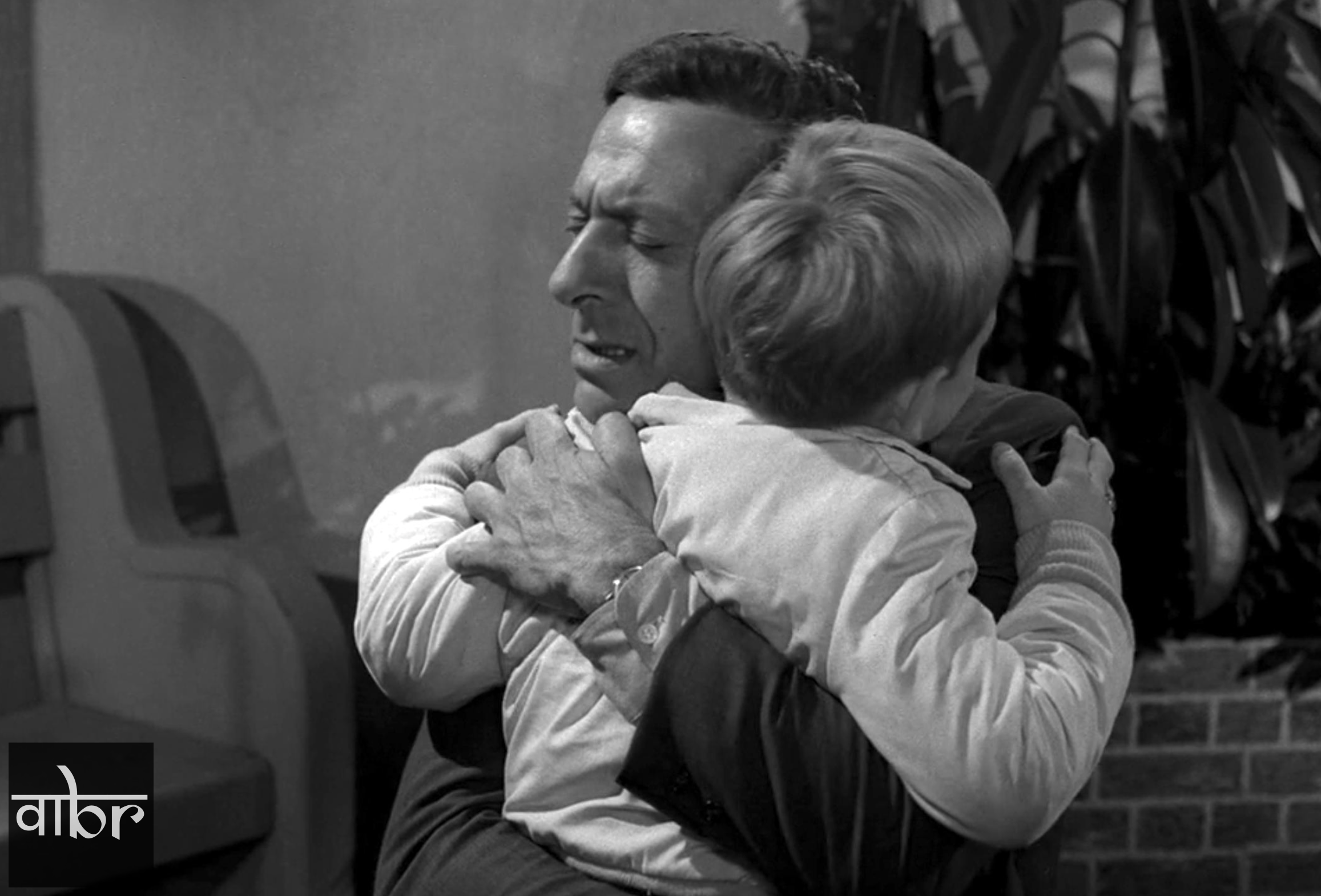
Season five of the legendary series featured an installment that many critics regard as a pinnacle of dramatic achievement. Written by the visionary creator himself, the narrative focuses on a deeply flawed father grappling with profound personal failure. The storyline of In Praise of Pip centers around Max Phillips, a dying bookie who learns that his son has been wounded in military action. This devastating news propels the protagonist into a desperate journey of soul-searching and regret. The emotional core of the narrative relies heavily on the complex relationship between the father and his absent child. As the plot unfolds, viewers witness a raw portrayal of grief, guilt, and the desperate yearning for a second chance. The production brilliantly utilizes speculative elements to externalize the internal struggles of the main character. Through powerful performances and meticulous direction, the installment captures a raw vulnerability rarely seen in broadcast media of that era. Every scene builds toward a poignant resolution that leaves a lasting impression on the audience. The meticulous pacing ensures that the dramatic tension remains palpable from the opening moments to the final credits.
Why This Episode Resonates Deeply
Critics and longtime fans frequently cite this specific season five entry as the most emotional installment of the entire run. The sheer weight of the dramatic conflict elevates it above standard television fare of the period. Viewers are invited to contemplate the heavy burdens of parental regret and the desire for absolution. The emotional resonance stems directly from the authentic depiction of human frailty and unconditional love. Unlike other entries that rely primarily on twist endings or frightening concepts, this story grounds its speculative elements in stark reality. The emotional stakes are extraordinarily high, making the unfolding tragedy feel intensely personal to everyone watching. The brilliant execution of the narrative arc demonstrates the pinnacle of anthology storytelling. People continue to discuss the profound impact of these scenes decades after the cameras stopped rolling. The ability to evoke such strong feelings speaks volumes about the timeless quality of the writing. Audiences find themselves reflecting on their own relationships and life choices long after the screen goes dark.
Key Takeaways
- The classic anthology series continues to captivate modern audiences more than six decades after its premiere.
- Season five features a standout narrative written by the legendary creator of the program.
- The plot centers on a flawed father confronting grief, regret, and the fate of his wounded son.
- Critics widely regard this specific installment as the most emotional entry across the entire run of the series.
- The enduring appeal of the program highlights the timeless nature of its powerful human themes.
Critical Analysis and Viewer Impact
The cultural significance of the legendary anthology program extends far beyond its initial broadcast run. Scholars and television historians continually analyze how these narratives mirrored the anxieties of mid-century America. By utilizing speculative fiction as a vehicle for social commentary, the creators addressed sensitive topics with remarkable subtlety. The specific installment in question serves as a prime example of how genre television can achieve profound emotional resonance.
The enduring power of these classic television narratives lies in their unwavering focus on the human condition, proving that brilliant storytelling transcends the boundaries of time and genre.
As audiences continue to rediscover these vintage broadcasts on various streaming and physical media platforms, appreciation for this dramatic masterpiece remains strong. The ongoing discussions surrounding the emotional weight of these stories demonstrate their permanent place in television history.
Conclusion and Future Perspective
As time marches on, the appreciation for classic television masterpieces shows no signs of diminishing. Future generations of viewers will undoubtedly continue to discover and analyze these foundational works of broadcast history. The ongoing discourse surrounding these powerful narratives ensures that their cultural footprint will remain secure for years to come. Observers and critics will undoubtedly keep revisiting these timeless episodes to uncover new layers of meaning and emotional depth.
📌 Related Briefings & Stories
Arjav
• Newsroom StaffDedicated to objective, deep, and fact-verified reporting across technology, science, world affairs, and modern markets.
Follow Varta Brief on Google
Add Varta Brief as a preferred source to see our verified stories and daily briefings in Google Top Stories and Discover.
Found this briefing insightful?
Share it with your colleagues and community.